

Ever tried picturing a length in your head and come up short? You are not alone. A number on a page rarely tells the full story, and “5 inches“ means almost nothing until you connect it to something real. So let’s fix that right now.
This guide breaks down 5 inches using everyday objects you already touch, hold, or reach for without thinking. No abstract math, no guesswork—just familiar items that make this inch measurement click instantly.
How Long Is 5 Inches, Really?
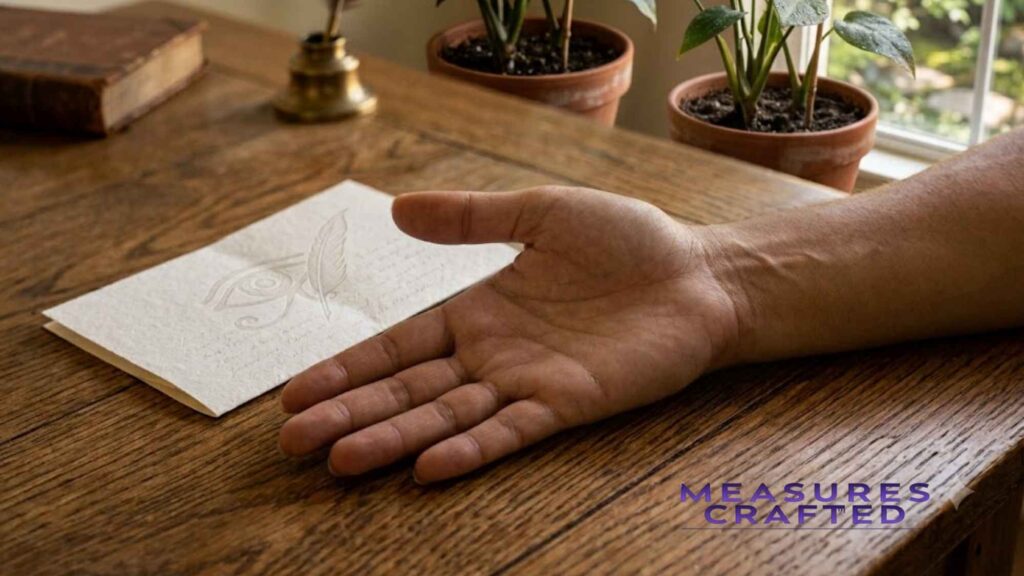
Numbers alone rarely build intuition. What helps far more is a size reference you can picture without hunting down a tape measure. Think roughly the span from your wrist to your first knuckle on an average hand, or a bit less than the width of a standard sheet of paper laid sideways.
Here is the thing about objects that measure 5 inches long: they surround you constantly, yet almost nobody notices. Start paying attention, and you will spot this common measurement in your kitchen drawer, your office desk, even your grocery bag.
Read more about, Coke Can Dimensions: The Complete Size Guide for Every Format
Quick conversion Table: 5 inches
Sometimes a quick conversion table beats three paragraphs of explanation.
| Unit | Equivalent to 5 Inches |
|---|---|
| Centimeters | 12.7 cm |
| Millimeters | 127 mm |
| Feet | 0.417 ft |
| Meters | 0.127 m |
Bookmark this conversion table. It comes in handy for online shopping, particularly when product dimensions feel vague or missing from a listing.
15 Everyday Things That Are About 5 Inches Long
Now for the good part. Below sit daily items and household objects landing close to five inches. Two rarely appear on typical measurement roundups, so keep an eye out.
1. A Large Grapefruit

Grab a large grapefruit at the store, and you are holding something near five inches across. Size shifts by variety and ripeness, sure, but a hefty one sits squarely in this range. Produce sections stock them all year, which makes this a genuinely practical comparison you can hold while shopping.
2. A Standard DVD Case
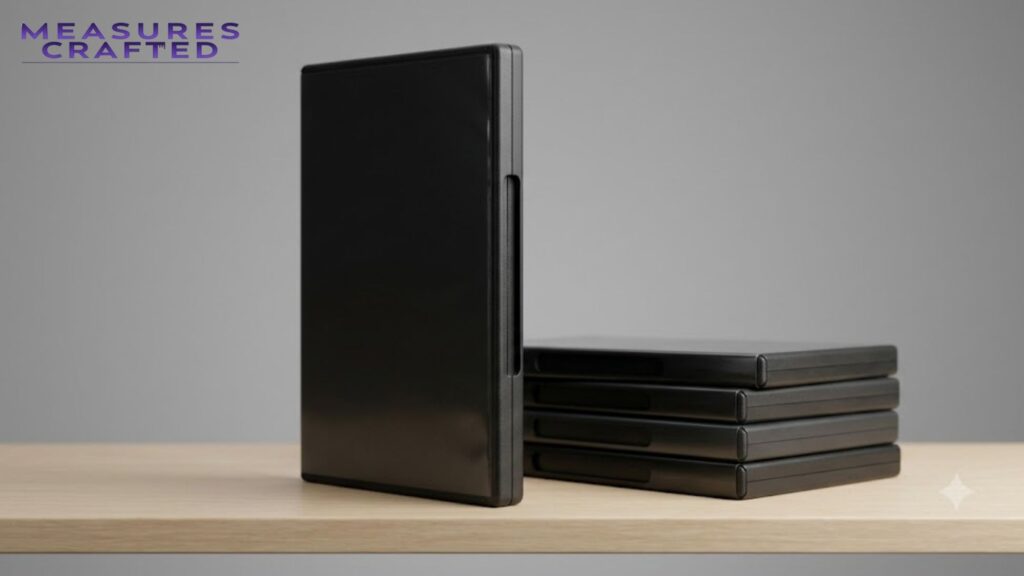
Remember DVDs? Case width runs about 5.4 inches, giving you a solid visual anchor even now that streaming dominates. Plenty of households still keep a shelf of these tucked in a corner, and the flat, rigid shape makes it easy to line up against other objects.
3. Standard Index Card
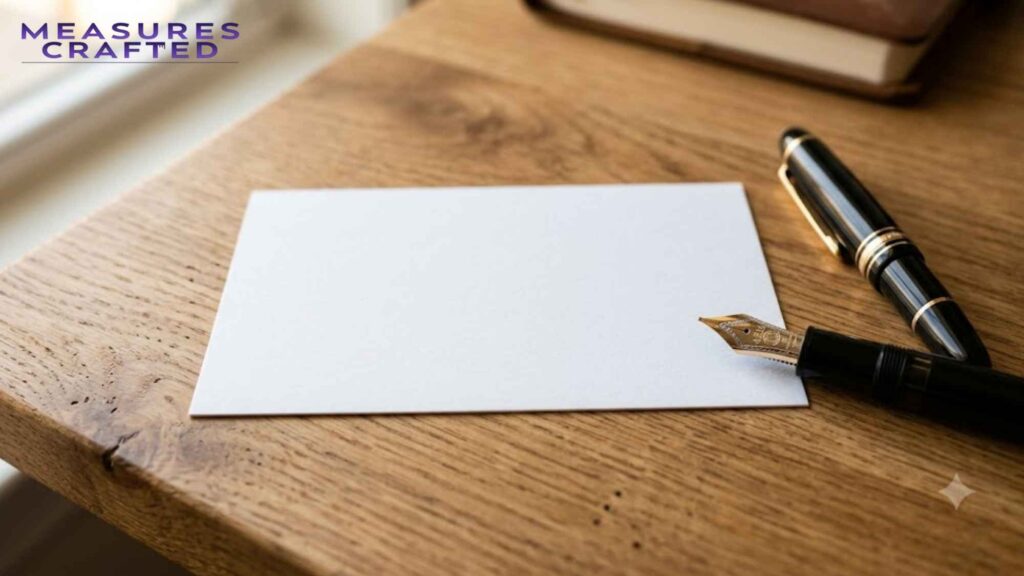
A 3×5 card, better known as an index card, measures exactly 5 inches along its longer side. This note card format has served flashcards, recipe boxes, and quick scribbled notes for generations.
If you have ever built a flashcard for studying, you have literally held this inch measurement between your fingers. Few examples nail the index card size comparison this cleanly — and it is rigid enough to double as an impromptu ruler if you ever need one in a pinch.
4. Computer Mouse
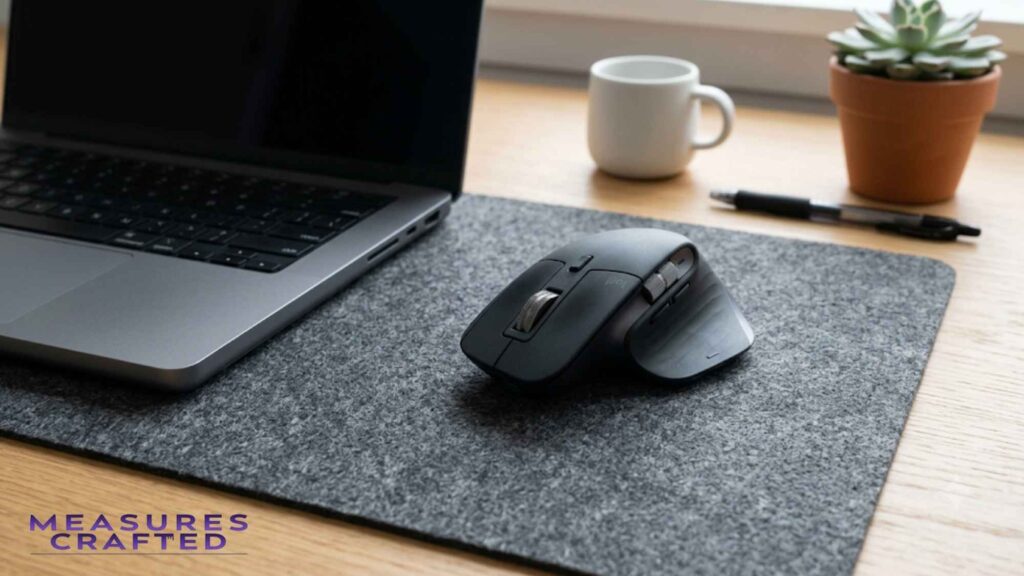
Most desktop mice hover near 5 inches, though design changes the math. An ergonomic mouse built for bigger hands often stretches to hit this mark, while slim travel models fall a touch shorter. Next time you shop for a wireless mouse, check the listed specs—this figure shows up more often than you would expect for a pointing device.
You may also like, Pokémon Card Dimensions: Size Guide (Inches, MM, CM & Pixels)
5. Compact Smartphone
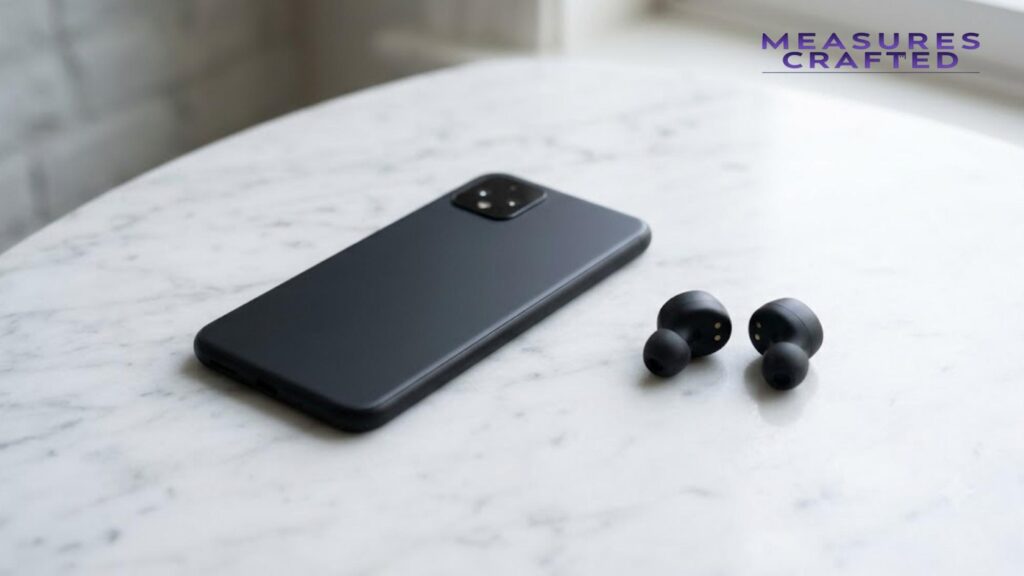
Not every phone ballooned into a six inch slab. Smaller and compact smartphone models, plus older flagship designs, frequently measure close to 5 inches tall. Worth checking if pocket-friendliness matters to your next purchase.
6. Standard Soda Can (Height)

Grab that aluminum can from your fridge—its height sits just under 5 inches for a standard 12 ounce beverage can. This soft drink can shape has barely changed in decades, which makes can height one of the most dependable familiar objects for a quick mental estimate.
7. Nail File
A standard nail file usually runs close to 5 inches, occasionally stretching a bit longer depending on brand. Small, easy to picture, and probably sitting in a drawer near you right now.
8. Teaspoon

Tip to handle end, a standard teaspoon measures roughly 5 to 5.5 inches. It is one of those household objects you handle daily without a second thought, yet its size stays remarkably consistent across brands and kitchen sets.
Discover more about, How Long Is 8 Inches? 20 Everyday Comparison That Make it easy
9. Large USB Flash Drive
While many flash drives shrink down tiny, larger designs—older models especially, or ones with swiveling caps—stretch close to 5 inches. A handy office supplies comparison for anyone tech-minded.
10. Standard Coffee Mug (Height)

A typical ceramic mug stands somewhere between 3.5 and 5 inches, with taller tea mug and travel style versions landing near the top of that range. Mug height varies more than most people assume, but a taller kitchen mug or drinking cup gets you close enough for a solid mental snapshot.
11. Disposable Razor
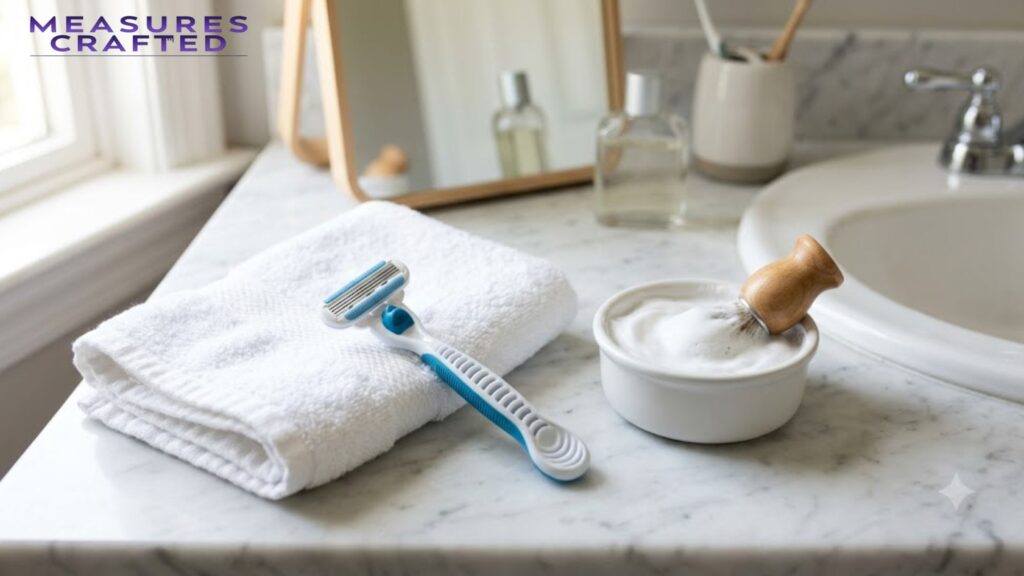
A standard shaving razor—think a common Bic razor or Gillette razor—measures roughly 5 inches from tip to handle’s end. This razor handle length stays fairly steady across drugstore brands, making it a genuinely useful travel razor comparison for anyone packing a toiletry bag.
12. 120mm PC Cooling Fan
Computer hardware often relies on a 120mm fan size, converting to almost exactly 4.7 inches. Builders and tech hobbyists bump into this figure constantly while planning airflow inside a case.
13. 4oz Baby Bottle (Without Nipple)
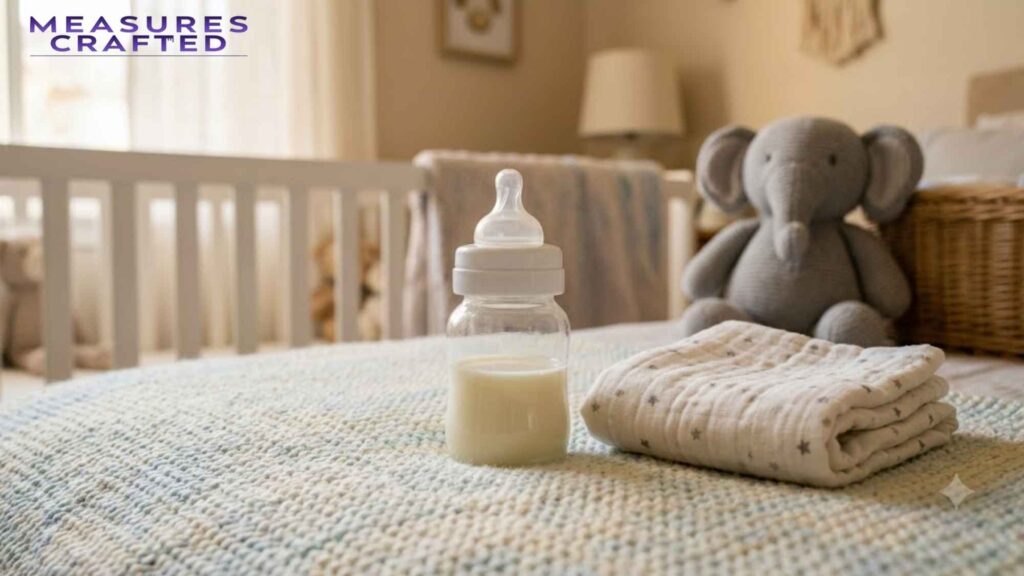
A small 4 oz bottle, often used as an infant bottle or starter bottle, measures close to 5 inches once you remove the nipple. Parents tossing a diaper bag bottle into their bag for a quick outing will recognize this size instantly.
Check out our guide on, How Big Is a Monster Can? Dimensions, Sizes, and Comparisons
14. Performance Running Shorts (Inseam)
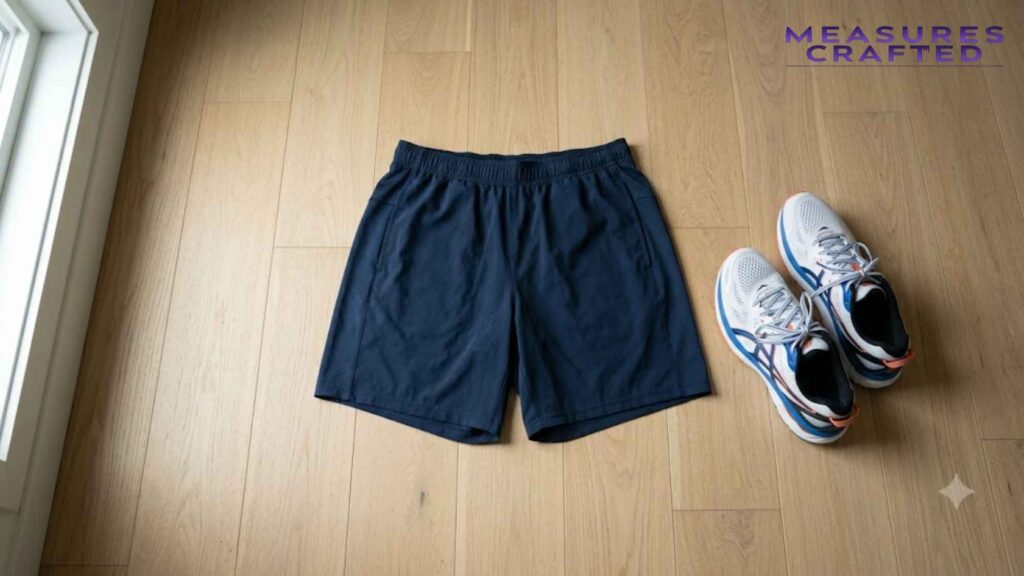
Athletic brands frequently list a 5-inch inseam for performance shorts built with runners in mind. This athletic shorts measurement sits right in the sweet spot between coverage and mobility, and it is become a near-universal reference point across sportswear listings.
15. A Mature Keeper Bluegill

Anglers take note: a mature keeper bluegill typically measures around 5 inches or slightly more, depending on regional keeper-size rules. A genuinely useful comparison if you spend weekends near the water.
How to Measure 5 Inches Without a Ruler
No tape measure nearby? No problem. Try these methods to estimate length and measure without a ruler:
- Check your hand. For most adults, wrist crease to middle fingertip runs close to 7 inches, so roughly two-thirds of that span lands you near 5 inches.
- Reach for a dollar bill. A U.S. bill measures 6.14 inches, so 5 inches falls just shy of full length, about where the portrait’s shoulder sits.
- Use a credit card. Standard cards measure 3.37 inches long, so one card plus roughly two-thirds of another gets you to 5 inches.
- Line up paper clips. Standard metal clips run about an inch apiece, so five paper clips end to end gets remarkably close. A classic desk accessories trick that works in a pinch.
None of these replace an actual tape measure for precision work, but for casual size estimation, they will land you surprisingly close.
See also, 20 Things That Are 18 Inches Long With Real-World Examples
5 Inches Compared to Nearby Sizes
Context matters just as much as the comparison itself. Here is how 5 inches stacks against neighboring lengths:
| Length | Visual Anchor |
|---|---|
| 4 inches | Width of a standard smartphone |
| 5 inches | An index card’s long edge |
| 6 inches | A dollar bill’s full length |
| 8 inches | A standard sheet of paper’s short edge |
Notice how even a single inch shifts the comparison object entirely. That is the tricky part about inch measurement—small changes matter more than they appear to on paper.
Why This Measurement Actually Comes Up in Real Life
You might wonder why any of this matters outside a classroom setting. Turns out, it surfaces constantly:
- Online shopping. Listings throw dimensions at you nonstop, and without a mental size reference, those numbers mean nothing. Knowing your product measurements shortcuts saves returns and second-guessing.
- DIY and home projects. Whether you are mounting a shelf or trimming material, a rough sense of five inches speeds up planning before you even pick up a tool.
- Cooking and baking. Recipes occasionally call for specific pan sizes or ingredient lengths, and a quick daily items comparison helps you eyeball it fast.
- Crafts and hobbies. From cutting fabric to shaping wood, an internal sense of scale saves constant trips back to the tape.
Once this measurement lives in your head through real life examples instead of an abstract figure, you will find yourself reaching for it without even trying.
Want to learn more? 20 Everyday Things That Are 10 Inches Long
Fun Facts About 5 Inches
- A regulation golf hole is exactly 4.25 inches wide, meaning a 5 inches object would not even fit inside one.
- The iPhone 4, released in 2010, measured 4.5 inches tall — just under the 5 inch mark that later became standard for smartphones.
- Meteorologists classify a single rainfall event as “extreme” once it dumps more than 5 inches of rain in 24 hours.
- A vinyl 7-inch single record has a label hole that, combined with its inner groove area, leaves a playable surface radius close to 5 inches.
- The average adult human ear measures about 2.5 inches — meaning two ears placed end to end roughly equal 5 inches.
Test Your Knowledge: 5 Inches Quiz
Think you have got a solid grip on 5 inches now? Put it to the test. Answer all ten questions below, then scroll down to check your score.
1. How many centimeters equal 5 inches?
A) 10.2 cm B) 12.7 cm C) 15.5 cm D) 8.9 cm
2. Which everyday item measures exactly 5 inches on its longer side?
A) A credit card B) A dollar bill C) A standard index card D) A sticky note
3. A standard 12-ounce soda can’s height comes closest to which measurement?
A) 3 inches B) 4 inches C) Just under 5 inches D) 6 inches
4. What is a quick way to estimate 5 inches using paper clips?
A) Line up three clips B) Line up five standard clips end to end C) Line up ten small clips D) Paper clips do not work for this
5. A 120mm PC cooling fan converts to approximately how many inches?
A) 3.2 inches B) 4.7 inches C) 5.9 inches D) 6.5 inches
6. Which of these is NOT mentioned as a roughly 5-inch item in the article?
A) A disposable razor B) A mature keeper bluegill C) A gallon milk jug D) A large grapefruit
7. What is the standard inseam length often listed for performance running shorts?
A) 3-inch inseam B) 5-inch inseam C) 7-inch inseam D) 9-inch inseam
8. How long is a standard U.S. dollar bill?
A) 5 inches B) 5.5 inches C) 6.14 inches D) 7 inches
9. Which object’s case width measures about 5.4 inches?
A) A CD case B) A DVD case C) A cassette tape case D) A VHS case
10. What does five inches equal in feet?
A) 0.25 feet B) 0.42 feet C) 0.5 feet D) 0.75 feet
Answers
- B) 12.7 cm
- C) A standard index card
- C) Just under 5 inches
- B) Line up five standard clips end to end
- B) 4.7 inches
- C) A gallon milk jug
- B) 5-inch inseam
- C) 6.14 inches
- B) A DVD case
- B) 0.42 feet
How did you do?
- 9-10 correct: You could measure a room with your eyes closed. Genuinely impressive.
- 6-8 correct: Solid grasp on the basics, a quick re-read of the object list will lock in the rest.
- Below 6: No shame in it. Scroll back up, and it will stick the second time around.
Curious about this? How Long Is 11 Inches? 25 common Things And Conversion Guide
Final Thoughts
Five inches turns up far more often than most people realize, woven into common items across your kitchen, office, and grocery bag. From a standard index card to a standard soda can, these familiar objects turn an abstract figure into something tangible.
Next time you need a quick reference table or a fast way to estimate length, skip the search bar. Grab an index card, line up five paper clips, or picture that soda can chilling in your fridge. You have got this measurement down now—no ruler required.
FAQs about 5 inches
Got a few more questions rattling around? Here are quick answers to the ones people ask most.
1. Is 5 inches considered small, medium, or large for everyday objects?
It really depends on context. For something like a smartphone, 5 inches leans compact by today’s standards. For a kitchen utensil or a piece of stationery, though, it is about as average as it gets. There is no universal “small” or “large” label — it shifts with what you are measuring.
2. Why do so many product categories cluster around the 5-inch mark?
A lot of it comes down to human ergonomics. Tools, handles, and utensils designed to fit comfortably in an average hand tend to land somewhere between 4 and 6 inches, and 5 sits right in that sweet spot. Manufacturers are not picking this number randomly — it is often the result of decades of design refinement.
3. Does 5 inches mean the same thing in every country?
The measurement itself does not change, but how commonly it is used does. Countries on the metric system rarely reference “inches” at all in daily conversation, favoring centimeters instead. So while 12.7 cm is the same physical length everywhere, you will hear “5 inches” far more often in places like the US.
4. How accurate is eyeballing a measurement compared to using an actual tool?
Visual estimation gets you close, usually within half an inch if you have practiced with a few reference objects. That is fine for casual tasks like arranging furniture or picking produce, but it is not reliable for precision work like carpentry or sewing, where even a small miscalculation compounds into a real problem.
5. What is a quick way to double-check an estimate once you have made one?
Cross-reference it against a second object you already trust the size of. If your first guess and your backup comparison land close together, you are probably in the right ballpark. It is a simple habit, but it catches a surprising number of estimation errors before they matter.
Learn more about, Dead Sea Dimensions: Full Picture Behind World’s Saltiest Lake

Hi, I’m Maya Winston, and I run the Measurements category here at Measures Crafted. I’ve always been fascinated by how numbers translate into real-world scale — there’s something satisfying about finally getting how big or how far something actually is. My goal is to make every measurement feel intuitive, not intimidating, so you walk away with a clearer picture every time you visit.