

Picture the ruler you used in school. Its full length was almost certainly 30 cm, and that single line shaped how you first understood size. Yet most of us can’t say what it matches in the real world once the ruler leaves our hands. This guide fixes that. You’ll get exact conversions, 15 objects measuring 30 centimeters (or close to it), and simple tricks to size it up anywhere.
Quick Conversion Chart: 30 cm in Inches, Feet, and Millimeters
This conversion table covers the other units people search for most.
| Unit | Equivalent of 30 cm | How to get it |
|---|---|---|
| Inches | 11.81 inches | Divide centimeters by 2.54 |
| Feet (decimal) | 0.984 feet | Divide the inches by 12 |
| Feet and inches | 0 ft 11.81 in | Whole feet first, then leftover inches |
| Yards | 0.328 yards | Divide meters by 0.9144 |
| 30 cm to meters | 0.3 m | Divide by 100 |
| 30 cm in millimeters | 300 millimeters | Multiply by 10 |
| Decimeters | 3 dm | Divide by 10 |
Think of this as a compact metric conversion chart and length conversion table in one. The same logic works as a metric length calculator for any value. To convert cm to inches, divide by 2.54. To go from centimeters to feet, take that result and divide again by 12.
Quick rule: Moving from centimeters to millimeters? Just add a zero.
Decimal feet can trip people up. A reading of 0.984 means almost one full foot, not 98 inches or 9.84 inches. That’s why the feet-and-inches version often feels clearer for everyday imperial measurement conversion.
What Does 30 cm Look Like in Real Life?
Numbers on a screen rarely stick. A picture does. 30 cm in real life sits at one-third of a meter, which makes it handy for visual size comparison.
Here are a few everyday size references to calibrate your eye:
- Lay out a bit more than three business cards end to end.
- Stack roughly two smartphones lengthwise and add a little extra.
- Think of a full-size keyboard, which spans 43 to 45 cm, and picture about two-thirds of it.
Understanding 30cm length gets easier once you’ve held a few real items. So let’s meet them.
15 Everyday Things That Measure About 30 cm
The first three items below don’t show up in most guides. They make strong real-world measurement examples because you probably own them.
A Sheet of A4 Paper (Height)
Paper is the easiest place to start because you can grab a sheet in seconds. A4 stands 29.7 cm tall and 21 cm wide. That leaves it just 3 mm shy of 30 cm. Most countries use this size while the US and Canada use Letter paper, which runs shorter at 27.9 cm.
Hold one vertically and you’re holding the most convenient common household item for a quick check.
A Foot-Long Sandwich Roll

Lunch can double as a measuring lesson. Sandwich shops label their biggest rolls as 12 inches. That puts a foot-long within half a centimeter of 30 cm. Bakeries slice and bake differently, so real rolls can run a centimeter or two either way. Treat it as a tasty approximation instead of a gauge.
For a fair reading, measure along the base from tip to tip instead of following the curve of the crust. Toasting can also shrink a roll slightly, so check its length before it goes in the oven.
A 12-Inch Scrapbook Paper Square
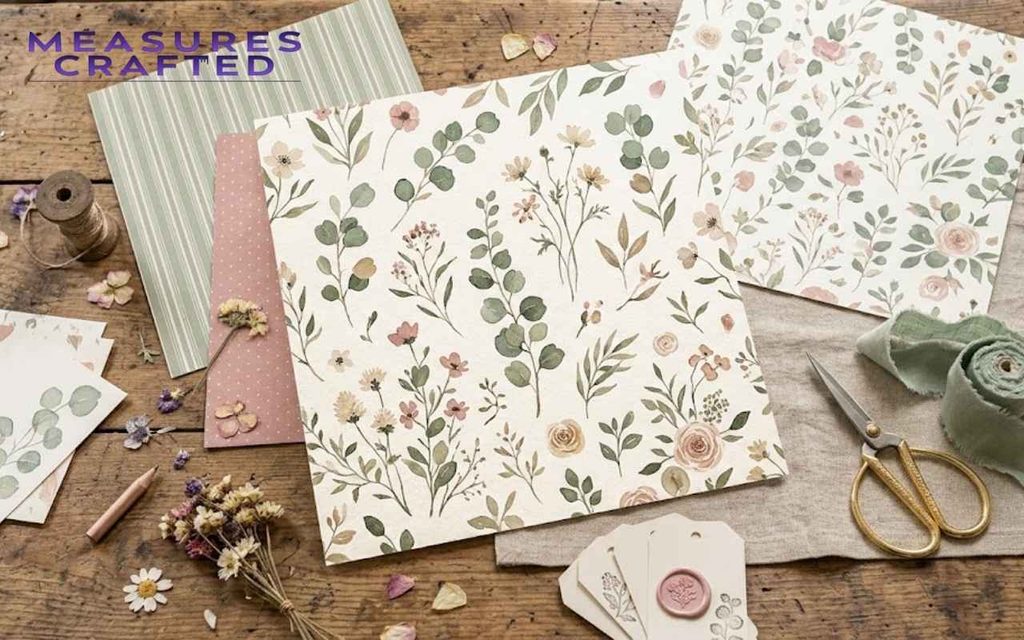
Hobby stores hide another handy reference in their paper aisle. Craft stores sell scrapbook paper in 12 by 12 inch squares. Each edge measures about 30.5 cm. Because the shape is square, every side gives you the same reference. Crafters and quilters will recognize this one instantly.
The format matches standard scrapbook albums, which is why the size stays so consistent across brands. Cut a sheet in half and you get two strips of about 15.2 cm each, a neat shortcut for checking half-lengths.
Interested in learning more? Red Bull Can Dimensions: Size, Height & Diameter (IN, CM, & MM)
A Classic 12 Inches Pizza

Pizza night offers one of the friendliest real-life size comparisons. A 12 inch pizza counts as a medium at most US chains. That gives you a medium pizza diameter of roughly 30 cm. Small pies usually run 10 inches while large ones reach 14 inches, so this pizza size comparison helps when you order for a group.
A medium typically comes cut into eight slices. Next time the box arrives, you’ll know the round pizza dimensions without a tape measure.
A 12-Inch Vinyl LP Record

Music lovers carry this length around without realizing it. A vinyl LP record measures 12 inches across (about 30.5 cm). It spins at 33⅓ revolutions per minute. The cardboard jacket runs a bit larger at roughly 31.5 cm square.
If you’ve got a record collection, you’ve got a shelf full of rulers. Standard pressings weigh around 120 to 140 grams while audiophile editions often reach 180 grams, yet the width stays the same.
A Classic School Ruler

Rulers earn their spot because they were built for this exact job. Most classroom rulers stretch to 30 cm and mark every millimeter. Plastic and wood versions dominate schools while metal ones serve drafters.
The opposite edge often carries an inch scale ending at 12. That dual scale makes it a tidy classroom measuring tool for learning both systems.
A Large Ceramic Dinner Plate
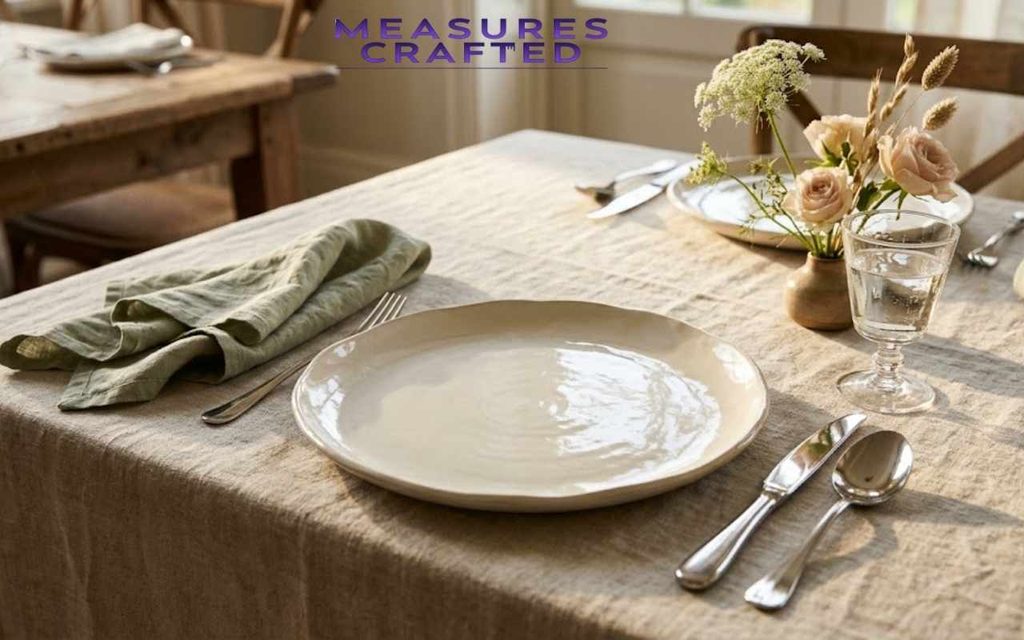
Your cupboard holds more measuring tools than you’d expect. Large dinner plates range from 27 to 30 cm across. Salad plates shrink to about 20 cm. Restaurants sometimes layer a 33 cm charger underneath for presentation. Check your cupboard and you’ll find dinnerware dimensions that map neatly onto this length.
Discover more about, How Long Is 100 Feet? 18 Things That Are 100 Feet Long
A 300 mm Ceramic Floor Tile
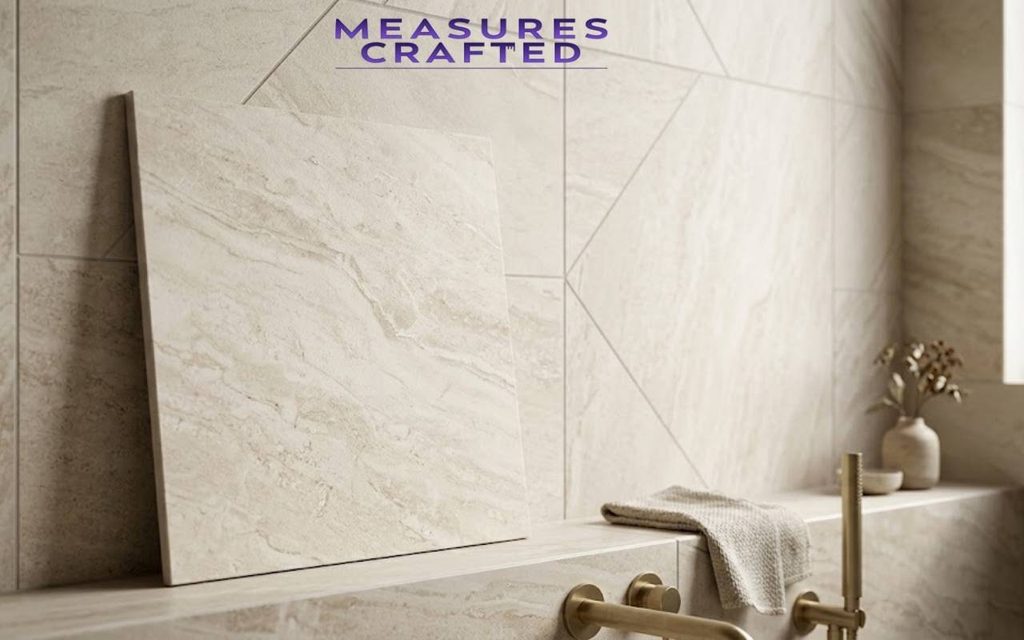
Builders think in millimeters so this one speaks their language. A 300 by 300 mm tile is a long-running size for floors and walls. About eleven tiles cover one square meter. Installers like the module because it divides cleanly into room layouts. It also makes a great reference since each side matches this length exactly.
A Hardwood Rolling Pin
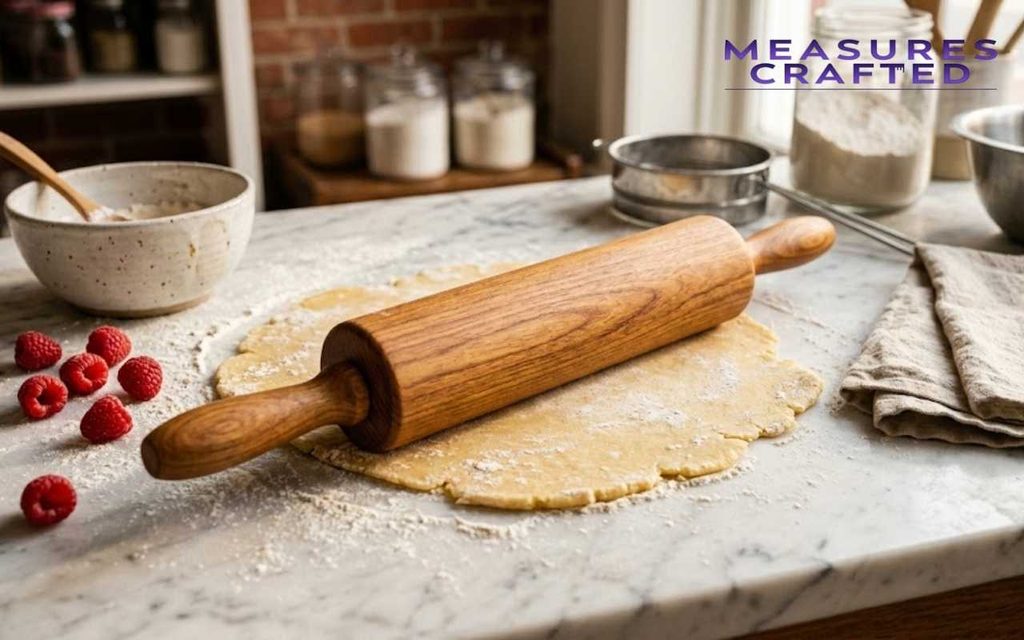
Bakers rely on this tool without ever pulling out a ruler. On many straight barrel pins the rolling surface sits between 25 and 30 cm. Handles add extra length on top. Bakers pick that range because it handles pie dough without wrestling the countertop. Measure just the barrel and you’ll land close to our target.
A 13-Inch Laptop (Width)
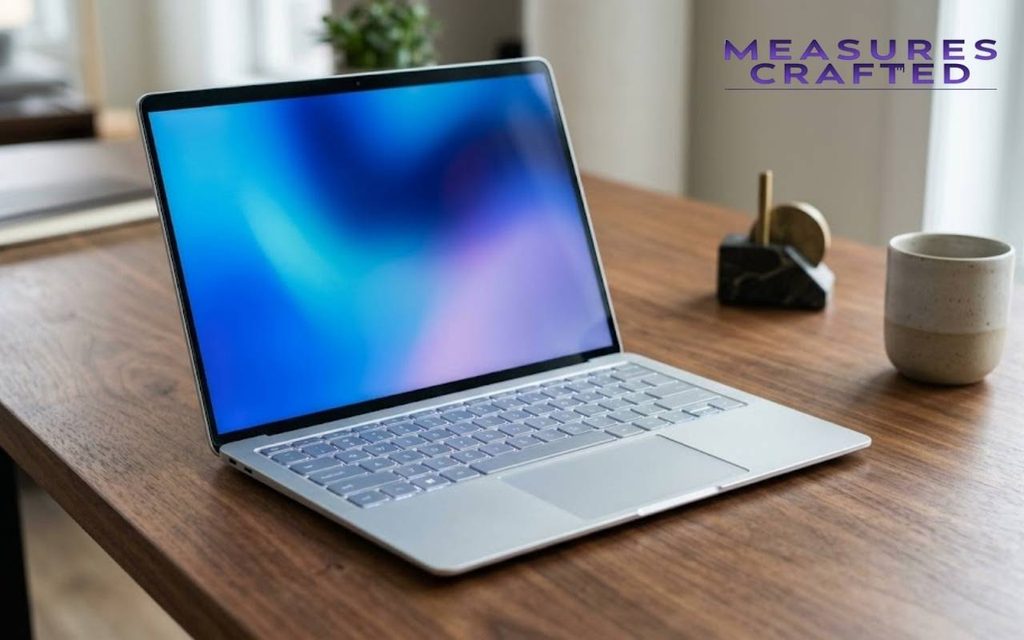
Tech gear hides a surprise because screen labels don’t match body size. The “13-inch” label describes the screen diagonal. Actual laptop width in centimeters is a different story. A 13-inch MacBook Air spans about 30.4 cm wide while many ultrabooks land between 29 and 31 cm. That makes it a handy compact laptop size for size comparisons.
A Medium Garden Plant Pot
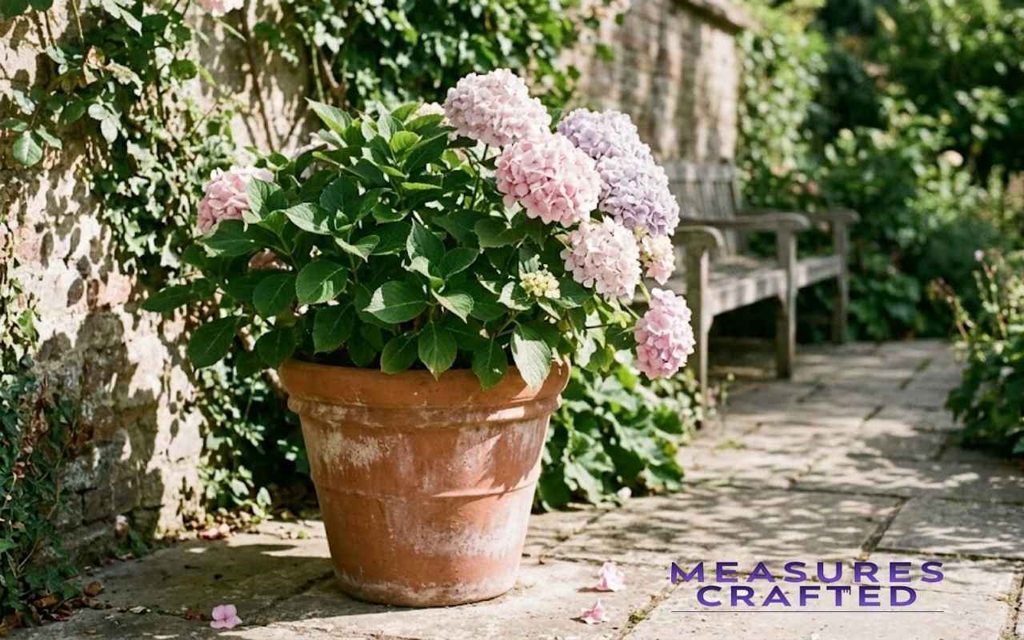
Gardeners meet this size every spring at the nursery. Nurseries sell the 30 cm plant pot as a go-to medium planter size. Gardeners measure plant pot diameter across the rim. Base width runs smaller because the sides taper.
A pot this size suits lavender, a young citrus tree, or a hydrangea and it’s one of the most common gardening measurements you’ll meet. It’s also a classic round flower pot dimension.
A Kitchen Cutting Board

Cooks tend to favor boards that fit a small counter. Many compact chopping boards come in 30 by 20 cm. Sizes vary by brand and material. Bamboo, plastic, and wood versions all show up at this length. It fits small kitchens where counter space is precious.
A Round Serving Tray

Hosts reach for this piece when guests arrive. Small round trays and platters often measure 30 cm across. Hosts use them for appetizers and drinks. Tray dimensions vary with handle design because some include handles in the listed width while others don’t. Check whether the 30 refers to the surface or the full footprint.
Check out our guide on, How Long Is 3 Inches? 23 Everyday Objects That Show You
A Youth Shoebox
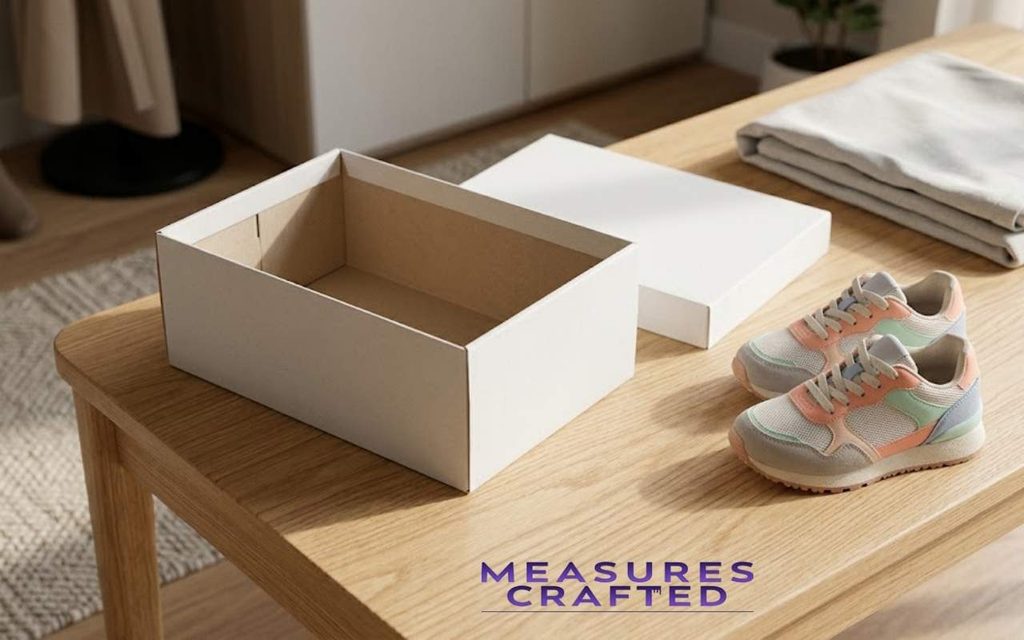
Shoeboxes make a casual yardstick since most homes keep a few. Shoebox sizes depend on the brand and style. Boxes for youth sizes often land between 28 and 32 cm long while adult boxes run 33 cm or more. That variety makes them poor precision tools but decent visual clues. Reuse one for storage and you’ll quickly see how much fits.
A Small Wall Clock
Wall decor rounds out the list with a size you’ll spot in nearly every home store. A 30 cm wall clock is one of the most common sizes on store shelves. Retailers sometimes list it as a 12-inch model.
It suits kitchens and hallways because it stays readable from across a room without dominating the wall. That balance explains why decorators reach for it again and again.
See also, Coke Can Dimensions: Sizes, Height, and Diameter Explained
Is 30 cm the Same as 12 Inches?
Almost, but not exactly. 12 inches in centimeters equals 30.48 centimeters. That leaves a gap of 0.48 cm, which is narrower than a standard pencil. Since 1959 the international inch has equaled exactly 2.54 cm, a standard maintained by bodies like the National Institute of Standards and Technology.
This 30 cm to inches conversion gap rarely matters in the kitchen or craft room. However, it does matter when you cut furniture parts or order fitted shelving. Mixing up the two can leave a gap you can slide a coin into.
The deeper story is metric versus imperial. Most countries use the metric system while the United States still leans on inches and feet. Knowing both keeps you safe when you shop internationally.
30 cm Diameter: Circumference, Radius, and Area of a Round Object
A 30 cm diameter describes a 30 centimeter circle measured straight across its center. Divide that by two and you get the radius of a circle: 15 cm. These simple facts unlock all circular object measurements.
- 30 cm circumference: multiply the diameter by pi to get about 94.2 cm (roughly 37.1 inches).
- Area: use pi times the radius squared to get about 706.9 square centimeters.
- Circle diameter in inches: convert it the same way as any other length.
Here’s a practical example. Say you want to wrap a ribbon around a round cake board of that size. You’d need about 94 cm plus a few extra centimeters for the knot. Plenty of container dimensions work the same way, whether it’s a drum, a lid, or a tabletop.
See also, Arch Aplin III House Dimensions: actual numbers behind the house
How to Estimate 30 cm Without a Ruler
No ruler on hand? Don’t worry. These everyday measuring techniques cover you in a pinch and they work as reliable measuring tape alternatives.
Use Your Hand Span
Spread your fingers wide and measure from thumb tip to pinky tip against a ruler one time. Most adults land between 18 and 23 cm. Memorize your own number. That’s one of the best body measurement methods because your hand goes everywhere you do. Then you can estimate 30 centimeters by adding a fraction of a second span.
Use Two Dollar Bills
A US dollar bill measures 15.6 cm long. Lay two end to end and you get 31.2 cm. That’s a surprisingly sharp way to approximate 30cm length if you’ve got cash in your wallet.
Use Everyday Objects as Yardsticks
Pick any item from the list above and keep it in mind as your personal yardstick. A sheet of paper beats guesswork every time. Mark a piece of string against a ruler once and keep it in your bag. Over time you’ll estimate centimeters by hand without thinking.
Why 30 cm Became a Go-To Size
The centimeter belongs to the metric system, which France built in the 1790s. Today the meter is defined through the speed of light, a standard overseen by the International Bureau of Weights and Measures. That makes the unit stable and universal.
Humans gravitate to this length for a reason. It’s long enough to be useful and short enough to fit in a bag. It also echoes the old foot, so it feels familiar to people raised on either system.
Quick Quiz: Test Your 30 cm Knowledge
Think you’ve got a feel for this length now? Try these five questions and check your answers at the bottom.
- How many millimeters are in 30 cm?
- A) 30
- B) 300
- C) 3,000
- Which paper size stands 29.7 cm tall?
- A) Letter
- B) A4
- C) Legal
- What is the radius of a circle with a 30 cm diameter?
- A) 10 cm
- B) 15 cm
- C) 60 cm
- Which is slightly longer?
- A) 30 cm
- B) 12 inches
- C) They’re identical
- What do you divide centimeters by to get inches?
- A) 2.54
- B) 10
- C) 12
Want to learn more? How Big Is 100 Acres of land? Size, Cost, uses & Real Examples
Answers:
- B — 300 millimeters
- B — A4
- B — 15 cm
- B — 12 inches (30.48 cm)
- A — 2.54
Your score: 5 correct means you’re a measuring pro. 3 to 4 means you’re close. Fewer than 3? Revisit the conversion chart and try again.
Conclusion
You now know what this length looks like in everyday life, how to convert it, and how to spot it without tools. Whether you’re shopping online, planning a craft project, or helping a child with homework, this handy size turns up more often than you’d think. Keep the conversion chart handy for quick answers. Next time someone asks “how big is that?” you won’t need a ruler to answer.
FAQs About 30 cm
Here are quick answers to a few questions this guide didn’t cover.
How long does hair take to grow 30 cm?
Hair grows about 1.25 cm per month on average, so 30 cm takes roughly two years. Your own pace depends on genetics, age, health, and diet. Trims and breakage also eat into your gains, so the length you can actually see often lags behind the math. If you’re planning a big growout, expect a bit more than 24 months.
How much water is in 30 cm of snow?
About 3 cm of water. Fresh snow typically melts at a ratio near 10 to 1, which means 30 cm of snow turns into roughly 3 cm of liquid. However, the ratio swings with conditions. Light, dry powder holds less water per centimeter while wet, heavy snow packs far more. That’s why shoveling a 30 cm dump of slush feels so much harder than clearing the same depth of powder.
Did ancient people use a unit close to 30 cm?
Yes. The Roman foot, called the pes, measured about 29.6 cm. Romans split it into 12 smaller parts called unciae, and that word gave us both “inch” and “ounce.” This long history explains why modern feet and 30 cm rulers still feel so familiar. People have worked with a length near this size for more than two thousand years.
Curious about this? 15 Everyday Things That Are 4 Inches Long with real-life examples

Hi, I’m Maya Winston, and I run the Measurements category here at Measures Crafted. I’ve always been fascinated by how numbers translate into real-world scale — there’s something satisfying about finally getting how big or how far something actually is. My goal is to make every measurement feel intuitive, not intimidating, so you walk away with a clearer picture every time you visit.