

Picture this. You spot a product listing, a sewing pattern, or a school worksheet that says 20 cm. Your ruler has vanished. Now what?
Relax. This guide gives you the exact 20 cm conversion first. Then it shows you familiar objects you can grab to see the length with your own eyes.
20 cm in Every Unit You’ll Actually Use
Use this length conversion chart whenever you need a quick lookup.
| Unit | Value |
|---|---|
| mm | 200 mm |
| Meters | 0.2 m |
| Decimeters | 2 dm |
| Inches (decimal) | 7.874 in |
| Inches (tape measure) | 7 7/8 in |
| Feet | 0.656 feet |
| Yards | 0.219 yd |
The formula: divide the centimeters by 2.54 to get inches. For feet, divide the inches by 12.
The National Institute of Standards and Technology (NIST) sets the official metric to imperial relationship. One inch equals exactly 2.54 centimeters.
20 cm vs. 8 Inches: Why These Two Aren’t Identical
Many people treat 20 centimeters to inches as a clean 8. It isn’t. Eight inches equals 20.32 cm, so the gap measures 3.2 mm.
| Measurement | In millimeters |
|---|---|
| 20 cm | 200 mm |
| 8 inches | 203.2 mm |
| Difference | 3.2 mm |
That gap matters in woodworking, 3D printing, and fitted products like phone cases. A part that’s 3 mm too long won’t slot into place. In cooking, crafts, and gift wrapping, you can ignore it.
When you shop for items 8 inches long, always check which unit the maker used first.
14 Things That Measure Close to 20 cm
Sizes vary by brand. Treat each match below as a close size reference rather than an exact twin. Together they form a handy set of common objects for measurement.
A 20 cm Cake Tin and Its 8-Inch Cousin

Bakers face this centimeter to inch conversion often. A tin sold as “20 cm” and one sold as “8 inch” work interchangeably for most home recipes. Keep the baking time the same. Measure across the inside base because the rim adds a few millimeters.
A 20 cm Plant Pot
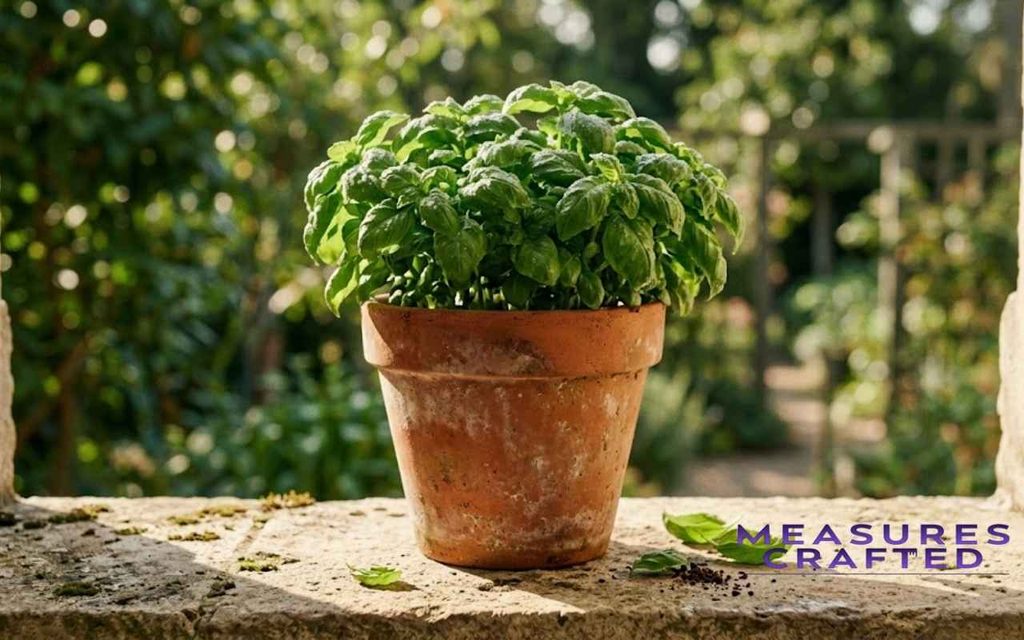
Garden centers usually label pot size by rim diameter. A 20 cm pot measures 20 cm across the top. It suits herbs such as basil and chives, grouped small succulents, or one young houseplant. Check the plant tag for root space needs.
Unsharpened HB Pencil
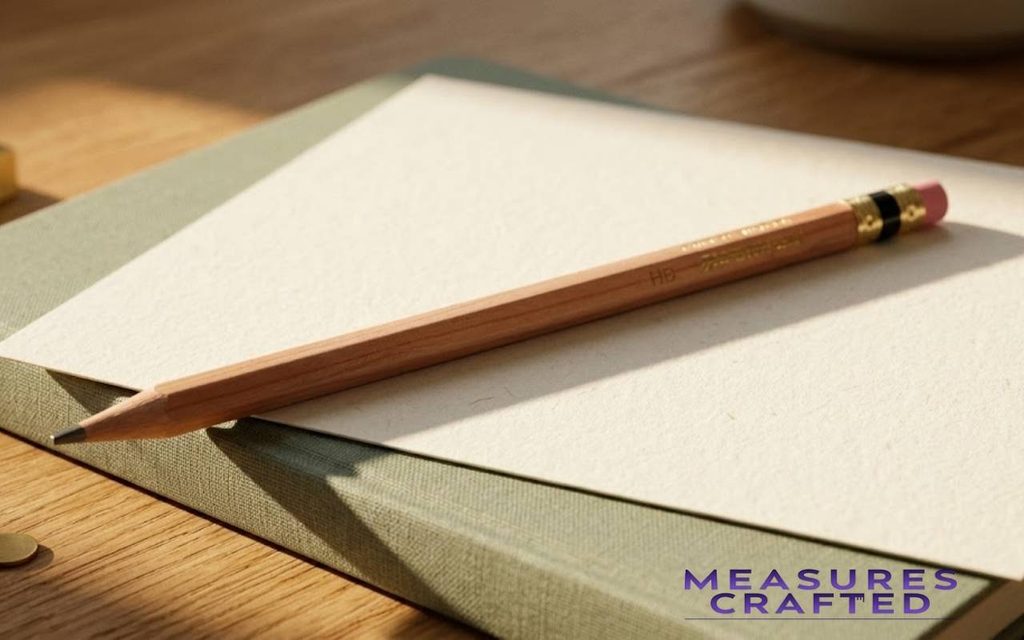
A standard HB pencil runs about 19 cm when new. That’s close but a hair short. The unsharpened pencil length makes it one of the best school stationery references you own.
Each sharpening trims a centimeter or so off the length, so only a fresh pencil gives a fair reading. Add the width of your thumb to the end and you land almost exactly on 20 cm.
A Sheet of A4 Paper (Short Edge)

The short edge of A4 paper measures 21 cm. The ISO 216 standard defines it. Fold in or trim 1 cm and you’ve got a paper size reference that hits 20 cm. The full sheet measures 21 by 29.7 cm. Offices across Europe, Asia, and most of the world use it daily. North America prefers US Letter instead, which is 21.6 cm on its short edge.
Discover more about, How Long Is 100 Feet? 18 Things That Are 100 Feet Long
An 8-Inch Tablet, Corner to Corner

An 8-inch tablet has a screen diagonal of 20.3 cm. Hold it up and you’re looking at objects measuring 20 centimeters almost to the millimeter. Manufacturers measure only the visible display.
The bezel and case add extra length beyond that number. Many compact tablets sit in this class. Lay one flat and you can check the diagonal against a ruler in seconds.
A 20 cm Pizza

A 20 cm pizza is the classic personal pizza size. The 8 inch pizza has a pizza diameter of 20.3 cm. Pizza chains label sizes inconsistently, so check the menu.
Here’s a bonus fact about pizza surface area. A 20 centimeter individual pizza covers about 314 square centimeters. That’s roughly 49 square inches of toppings.
A Trade Paperback (Cover Height)

Most trade paperbacks stand 19 to 21 cm tall. Pull one off the shelf and you’ve found one of the easiest common household items for the job. Publishers pick slightly different trim sizes.
Mass market paperbacks run shorter while hardcovers run taller. Measure from the top edge of the cover to the bottom edge. Skip the spine curve because it can throw off your reading.
Check out our guide on, How Long Is 3 Inches? 23 Everyday Objects That Show You
A Dinner Fork
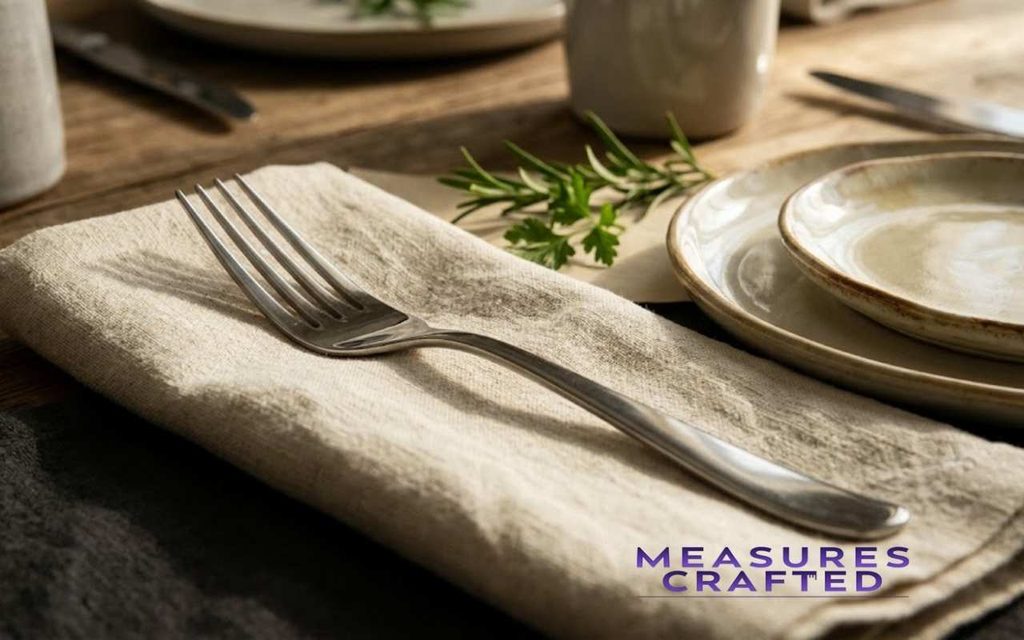
A typical dinner fork runs 19 to 21 cm long. It sits in every kitchen drawer. That makes it a reliable everyday size comparison. Salad forks and dessert forks run shorter. Lay the fork flat on the counter beside the item you want to check.
Sets from different brands vary by a few millimeters. Test yours against a ruler once and you’ll know its exact length.
A Standard Drinking Straw
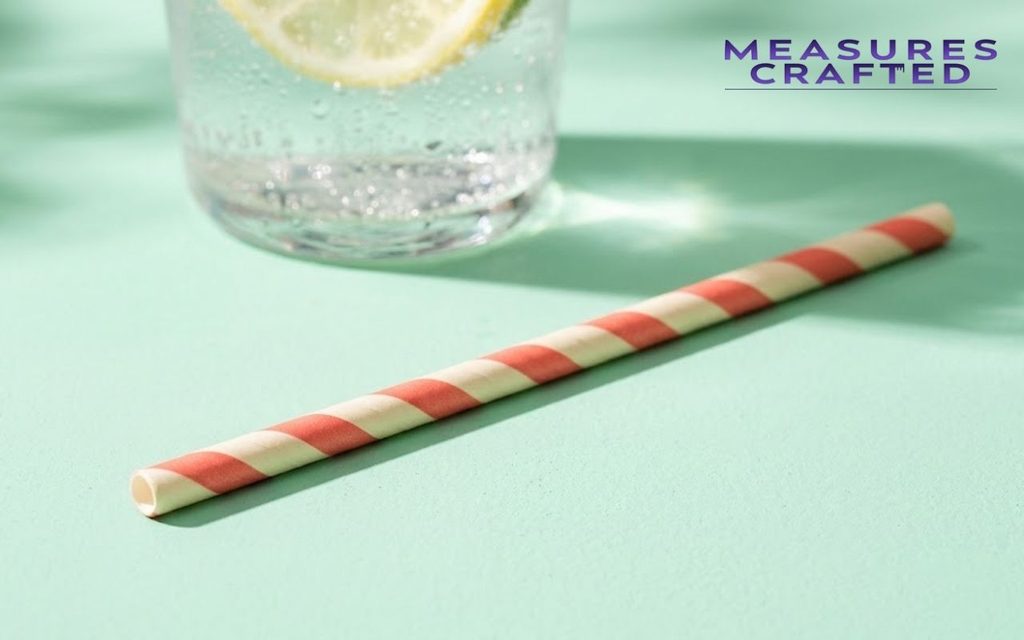
Most straws measure 19 to 21 cm. They’re light and cheap. You can even tuck one into a bag as a measuring tape alternative. Cocktail straws run shorter while jumbo smoothie straws run longer.
Snip one to exactly 20 centimeter against a ruler. Then it becomes a pocket gauge you can use anywhere. Paper and plastic versions hold their length equally well.
Chef’s Knife Blade

Cooks call a knife with a 20 cm blade an “8-inch chef’s knife.” The name follows the blade length and ignores the handle. Knife makers use inches even in metric countries.
This size is the most popular choice in home kitchens. It handles onions, herbs, and meat with the same ease. Measure from the tip to the heel of the blade. Skip the bolster and the handle entirely.
See also, Arch Aplin III House Dimensions: actual numbers behind the house
A Medium Banana
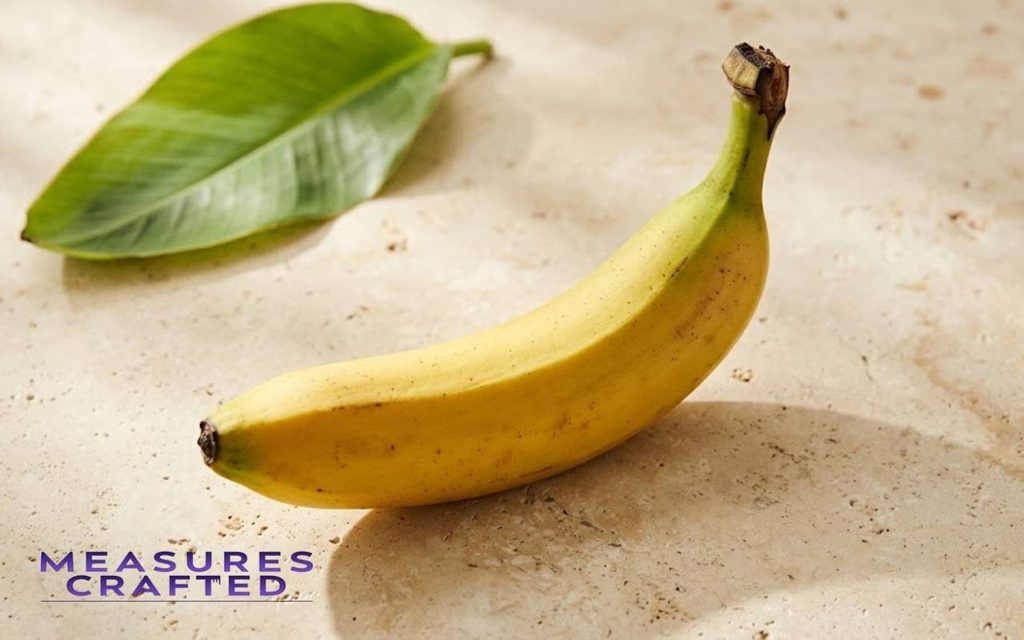
A medium banana runs 17 to 20 cm. It’s a rough match but a fun familiar object to picture. Variety and ripeness change the size. Treat it as an approximate length guide rather than a measuring tool.
Measure along the outer curve and you’ll get a bigger number than a straight line gives. A banana won’t replace a ruler. It does help you picture the length at the breakfast table.
A Child’s Foot

A foot near 20 cm lines up with a US kids’ size 12 to 13. Brands cut their sizes differently. Check a brand size chart before you buy shoes. Measure your child’s heel to longest toe while they stand and then compare. Feet grow fast in the early school years. Leave about a centimeter of growing room at the front of the shoe.
An Adult Hand Span
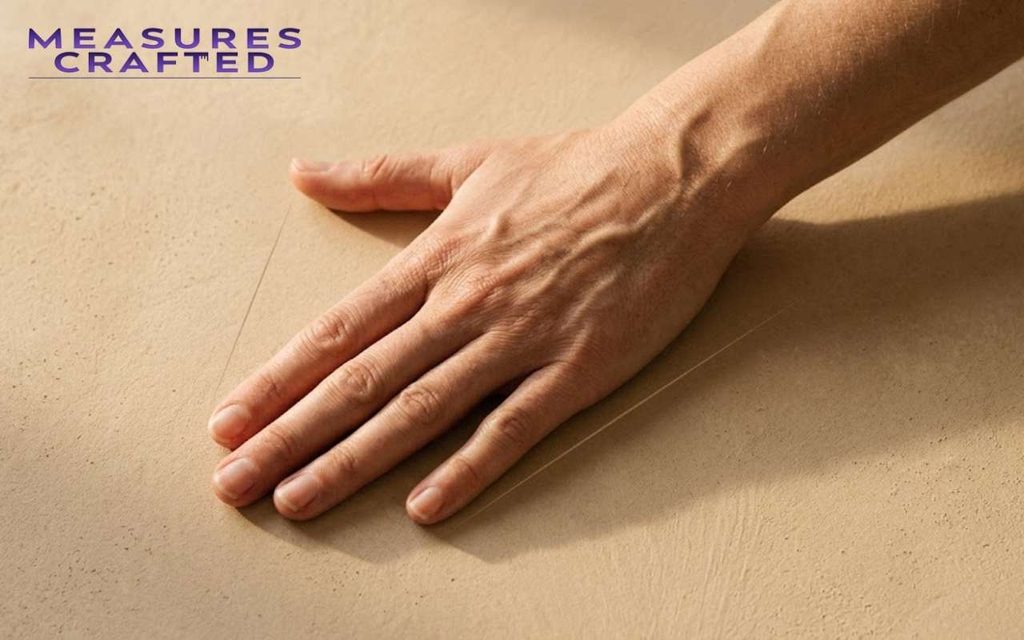
Stretch your hand wide. The distance from thumb tip to pinky tip usually falls between 19 and 23 cm. Measure your own span against a ruler once. After that you carry a built-in tool everywhere.
Want to learn more? How Big Is 100 Acres of land? Size, Cost, uses & Real Examples
A US Modular Brick
A US modular brick runs about 19.4 cm long. That equals 7 5/8 inches. UK bricks run closer to 21.5 cm. Builders in each country work with slightly different 20 cm long objects. Sizes vary by manufacturer. Always check the listed length before you start building. Mortar joints add roughly one centimeter to each brick in a finished wall.
No Ruler Handy? Measure Without One
You don’t need a ruler to start measuring 20 cm. A few habits will get you there.
“The best ruler is the one you have with you.”
Try these steps:
- Fold an A4 sheet along its long edge. Mark the 20 centimeter point just short of the 21 cm edge.
- Use a dollar bill. It measures 15.6 cm, so add roughly 4.4 cm more.
- Check your hand span against a known item once. Reuse that number for quick length estimation.
Finger widths help too. An average adult finger measures about 1.5 to 2 cm across. Ten finger widths side by side give you a ballpark for 20 centimeter length.
Test Yourself: Quick 20 cm Quiz
Think you’ve got the numbers down? Try these five questions first and check the answer key afterward.
Curious about this? 15 Everyday Things That Are 4 Inches Long with real-life examples
1. What is 20 cm in inches, rounded to two decimals?
A) 7.48 in
B) 7.87 in
C) 8.20 in
2. How long is the short edge of an A4 sheet?
A) 19 cm
B) 20 cm
C) 21 cm
3. Roughly how many square centimeters does a 20 cm pizza cover?
A) 314
B) 400
C) 628
4. What’s the best way to size a 20 cm cake tin?
A) Measure across the rim
B) Measure across the inside base
C) Measure the outer wall
5. About how many pixels equal 20 cm at 96 PPI?
A) 512
B) 756
C) 1,024
Answer Key:
| Question | Answer | Quick Reason |
|---|---|---|
| 1 | B | Divide 20 by 2.54 to get 7.874 inches |
| 2 | C | A4’s short edge measures 21 cm |
| 3 | A | Pi times the radius squared gives about 314 cm² |
| 4 | B | The rim adds a few extra millimeters |
| 5 | B | 7.874 inches times 96 equals about 756 pixels |
Your score: 5 correct means you’ve mastered this measurement. Three or four means you’re nearly there. Fewer than three means a second read of the conversion table will do the trick.
Conclusion
Twenty centimeters equals 200 millimeters, or just under 8 inches. You now have the exact numbers plus 14 real-life references to picture that length without a ruler in sight.
Next time a listing or pattern gives you a metric size, you’ll know what to grab. A pencil, a fork, or a personal pizza will usually do the trick. Bookmark this page and share it with anyone who keeps losing their ruler.
More Questions About 20 cm Answered
Here are three questions the sections above didn’t touch. They cover screens, space, and circles.
How many pixels is 20 cm on a screen?
It depends on the resolution. At the common web standard of 96 pixels per inch, 20 cm comes to about 756 pixels. For print work at 300 DPI, you’ll need roughly 2,362 pixels to fill the same length.
What are the area and volume of a 20 cm square and cube?
A flat square with 20 cm sides covers 400 square centimeters, or about 62 square inches. Stretch it into a cube and you get 8,000 cubic centimeters. That equals 8 liters, a bit over 2 US gallons.
What is the circumference of a circle that’s 20 cm across?
Multiply the diameter by pi. A circle with a 20 cm diameter measures about 62.8 cm around, which is roughly 24.7 inches. A flexible tape or a piece of string wrapped around the edge confirms it quickly.
Interested in learning more? How Big Is 30 cm? 15 Real Things That Measure Close to it

Hi, I’m Maya Winston, and I run the Measurements category here at Measures Crafted. I’ve always been fascinated by how numbers translate into real-world scale — there’s something satisfying about finally getting how big or how far something actually is. My goal is to make every measurement feel intuitive, not intimidating, so you walk away with a clearer picture every time you visit.