

Picture a sheet of printer paper standing on its short end, then add a few extra inches on top. That is roughly what you are looking at when someone says something is 18 inches long. It is one of those measurements you hear all the time, on furniture tags, shipping labels, and doll boxes, yet most people could not point to it in the air if you asked them to. This guide fixes that.
Below, you will find twenty real life objects that measure 18 inches, a few tricks for visualizing 18 inches on the fly, and the answers to questions people actually search for when they are trying to make sense of this standard measurement. No fluff, no guesswork, just practical, everyday measurement comparison you can use the next time you are eyeballing a box, a shelf, or a piece of furniture.
How Long Is 18 Inches, Exactly?
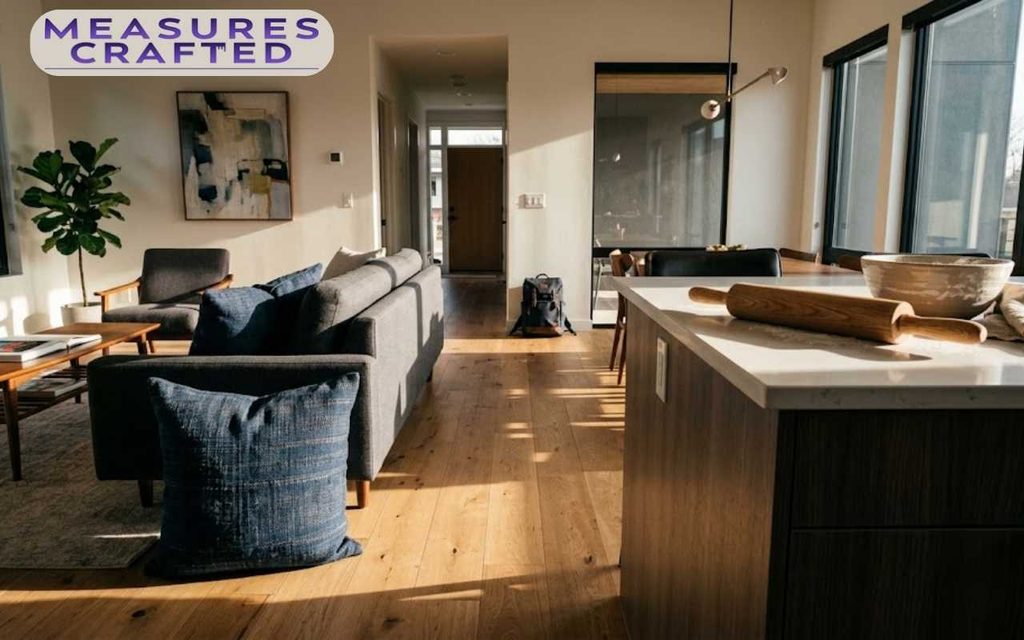
Eighteen inches sits right between “small” and “medium” in most people’s mental map of size. It is longer than a standard 12-inch standard ruler, but shorter than a two-foot yardstick section. In plain terms, 18 inches equals one and a half feet, and that is the conversion most people remember first.
Hereis the thing about inches: they are small enough to feel precise but large enough that stacking a handful of them adds up fast. Eighteen of them end to end covers about the width of a typical doorway peephole to doorknob, or roughly the length of a housecat’s body without the tail. It is a length you will bump into constantly once you start noticing it.
Read more about, 5 Inches Explained with 15 Everyday Objects
Quick Conversion: 18 Inches in Feet, Centimeters, and Meters
Before diving into examples, here is the 18 inch measurement broken down across the units you will actually encounter, whether you are reading a US product label or an international spec sheet.
| Unit | Equivalent Value |
|---|---|
| Feet | 1.5 ft |
| Yards | 0.5 yd (half a yard) |
| Centimeters | 45.72 cm |
| Millimeters | 457.2 mm |
| Meters | 0.4572 m |
That “half a yard” figure trips people up the most because a yard sounds like a big unit, so it is easy to assume half of it must be huge too. It is not. Half a yard is about the length of a rolling pin and not much more.
What Does 18 Inches Actually Look Like?
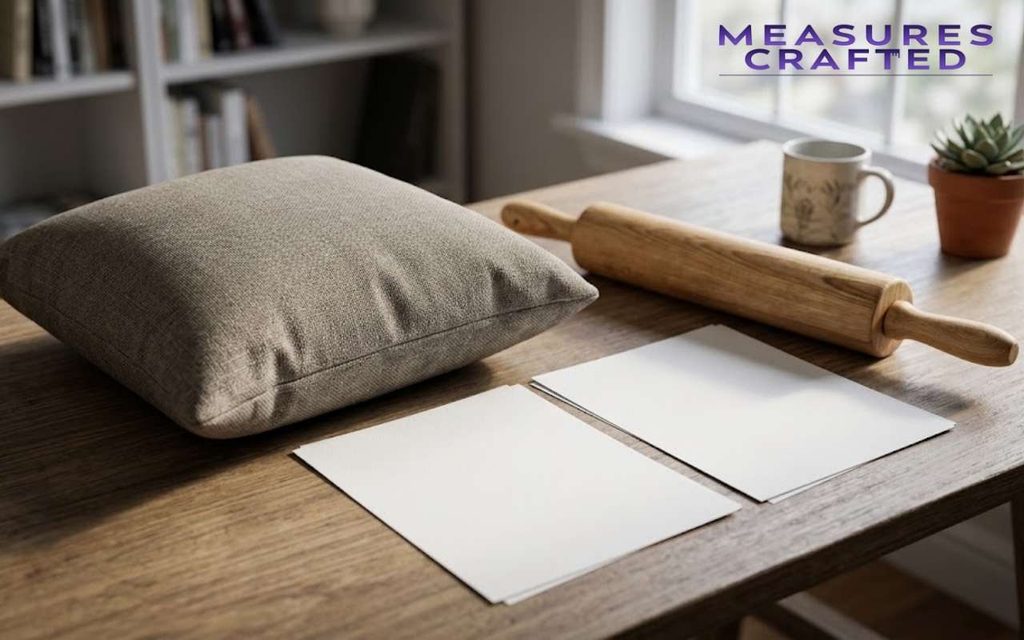
Numbers on a page rarely stick. What sticks is a picture in your head, so let’s build one.
Hold your arms out about shoulder-width apart, then bring your hands in until the gap between your fingertips looks like it could fit a yardstick’s midpoint. That gap, for most adults, lands somewhere close to 18 inches. Or think of two standard sheets of printer paper, laid end to end and trimmed down by about four inches combined.
This kind of visual reference matters more than it seems. Once you have got a mental anchor, you will start spotting 18-inch objects everywhere, from the kitchen to the garage.
Read more about, Coke Can Dimensions: The Complete Size Guide for Every Format
Everyday Items That Measure 18 Inches
These are the common objects you will run into on a near-daily basis. Each one gives you a dependable, repeatable visual guide for the measurement.
1. Skateboard Deck Length
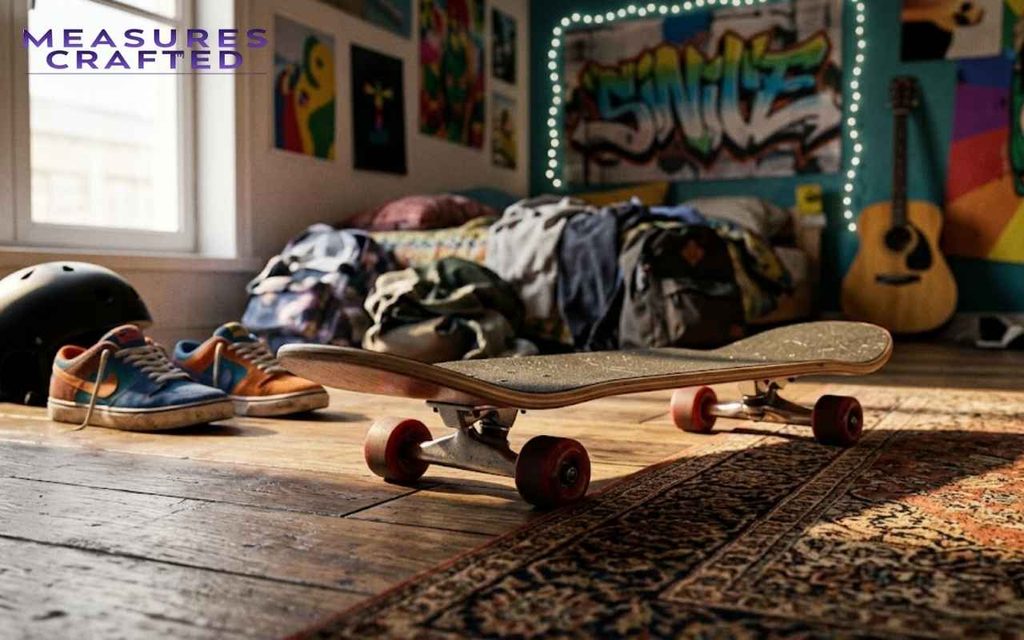
A standard skateboard deck runs close to 18 inches long on shorter, youth-sized boards, though full adult decks stretch a bit past 30 inches. If you have ever picked up a compact cruiser board at a shop, you have held this length in your hands.
2. Classic Rolling Pin
The wooden rolling pin sitting in most kitchen drawers measures about 18 inches from handle to handle. This kitchen utensil has stayed roughly the same size for generations, which makes it one of the more reliable baking tool references for this length.
3. Carry-On Backpack Height
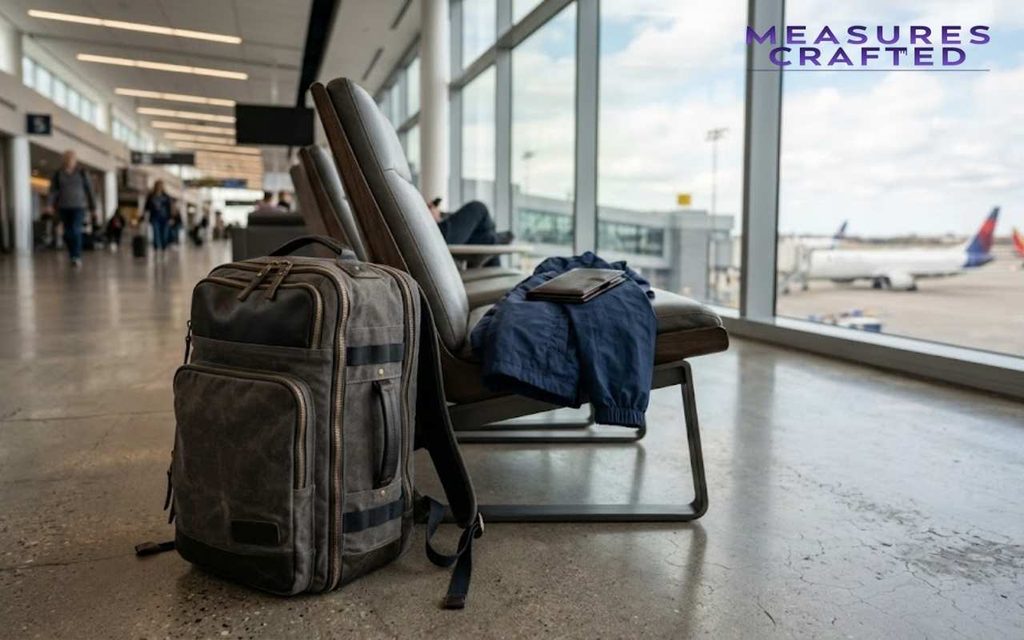
Airlines love this number. Most standard dimensions for carry-on backpacks cap the height around 18 inches, which is why so many travel bags are built to that exact spec.
4. Medium Throw Pillow (One Side)
A decorative pillow on your couch, measured along one edge, frequently lands at 18 inches square. It is become something of an industry default for a couch pillow because it fits most sofa proportions without looking oversized.
You may also like, Pokémon Card Dimensions: Size Guide (Inches, MM, CM & Pixels)
5. A Large Laptop’s Width
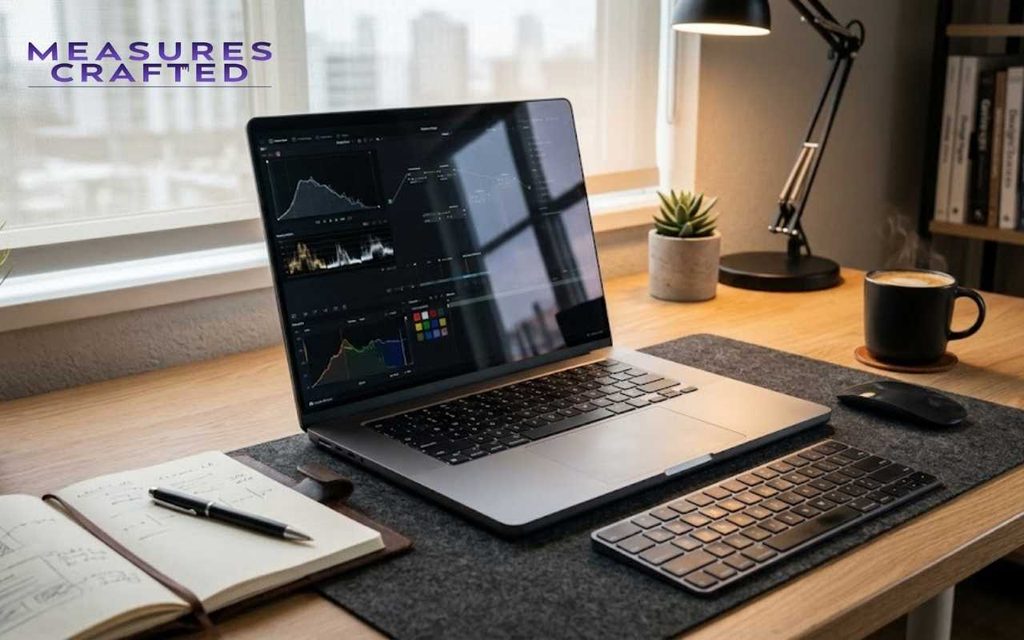
Big-screen laptops, the 17-inch display models, often measure close to 18 inches across when you include the bezel and hinge housing. If you have ever struggled to fit one of these into a standard sleeve, now you know why.
6. An 18×18-Inch Floor Tile
Walk into most kitchens or bathrooms and you will likely be standing on tiles cut to this exact standard measurement. It is a popular size because it tiles evenly across most room dimensions without excessive cutting.
7. Kitchen Cabinet Drawer Depth
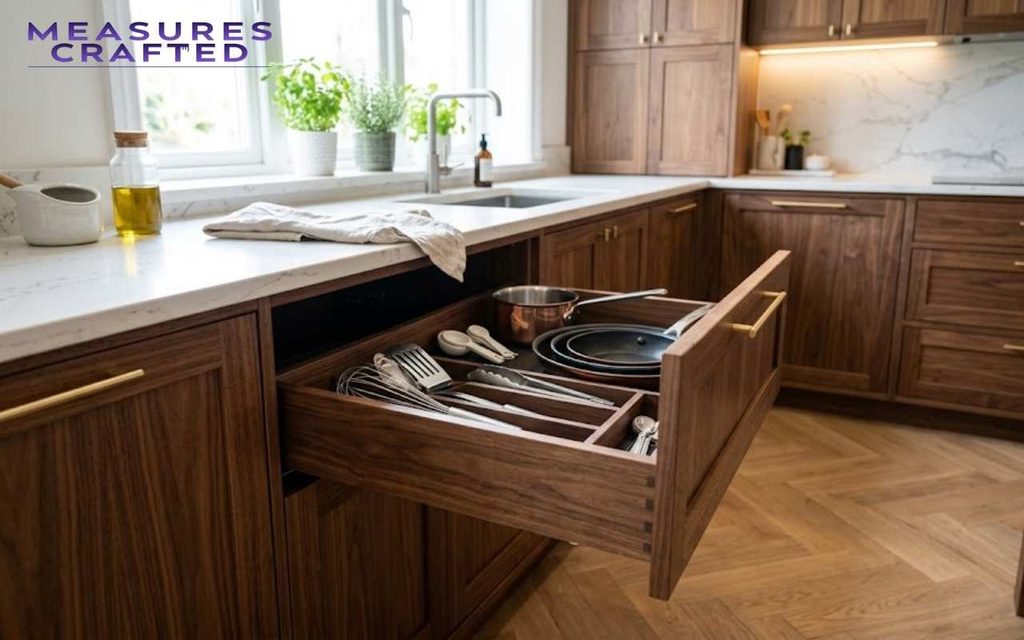
Many kitchen cabinets are built with an 18-inch drawer depth, giving enough room for utensils and cookware without eating too far into counter space or interfering with plumbing behind the cabinet wall. It is a dimension cabinet makers rarely deviate from because appliances, sink basins, and countertop overhangs are all designed around that same rough depth.
8. Wall-Mounted Towel Bar
Bathroom towel bars commonly come in 18-inch lengths, sized to hold a folded bath towel without crowding the wall or looking oversized in a smaller bathroom. It is a size that works for single-sink vanities and half-baths especially well, where a longer 24-inch bar would feel cramped.
Hardware stores typically stock the 18-inch bar as their most popular option, right alongside the slightly longer 24-inch version for bigger bathrooms.
Discover more about, How Long Is 8 Inches? 20 Everyday Comparison That Make it easy
9. A Desk Lamp’s Extended Arm
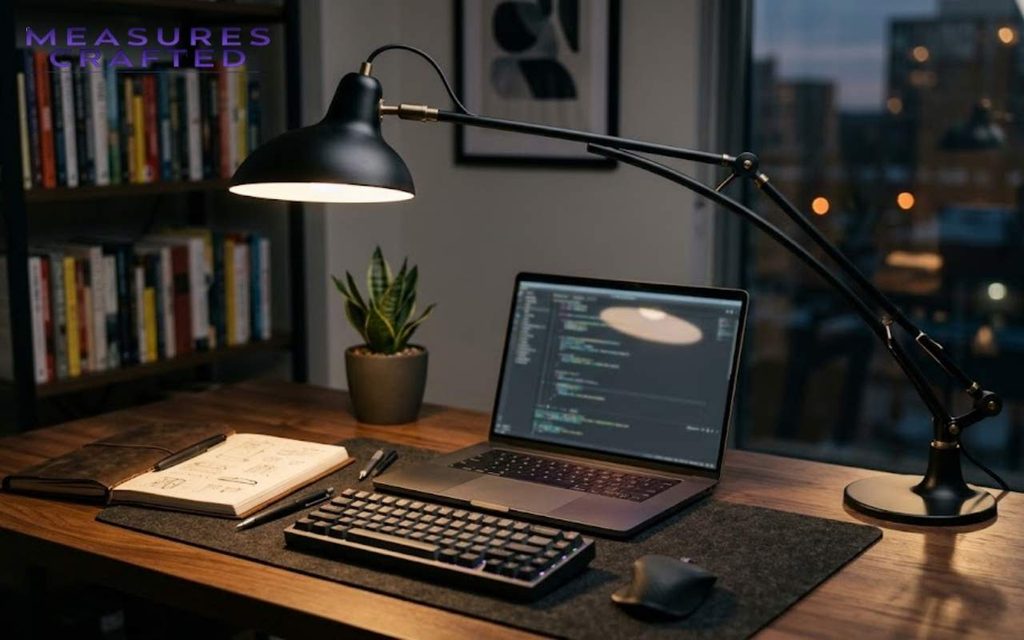
Adjustable desk lamps, when fully extended, often reach close to 18 inches from base to bulb, giving enough clearance to light a full desktop workspace without the lamp head sitting too close to your monitor or keyboard. That reach also lets you angle the light across a wider desk surface than a shorter, fixed-arm lamp could manage.
Architects and interior designers tend to favor this length specifically because it clears most laptop screens and monitor stands without needing to be propped up higher.
10. Baby Doll (Popular 18-Inch Size)
This one’s practically an industry standard. The most collected doll size in the US market is built specifically to the 18 inch measurement, and clothing lines are designed around that exact figure.
11. A Car Tire’s Full Diameter
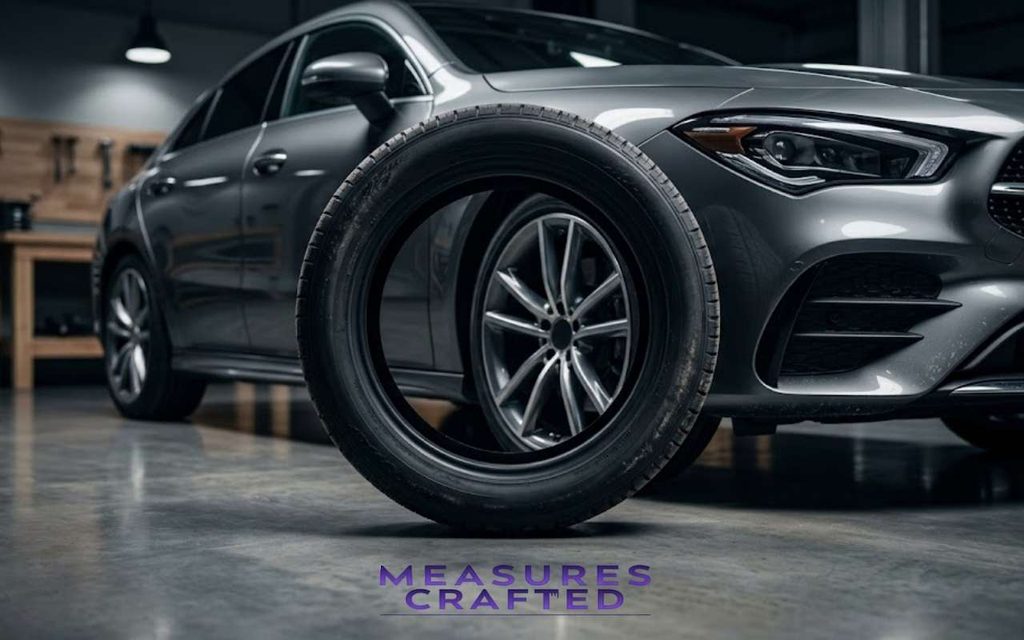
Many passenger car tires, wheel included, measure close to 18 inches across. Next time you are at a tire shop, take a look; it is a surprisingly consistent length comparison across sedan models.
12. A Ruler and a Half, Placed End to End
Line up one standard ruler with half of a second one, and you will land almost exactly on 18 inches. It is a handy trick if you only have one ruler on hand and need to eyeball something longer.
13. Four Envelopes Stacked Lengthwise
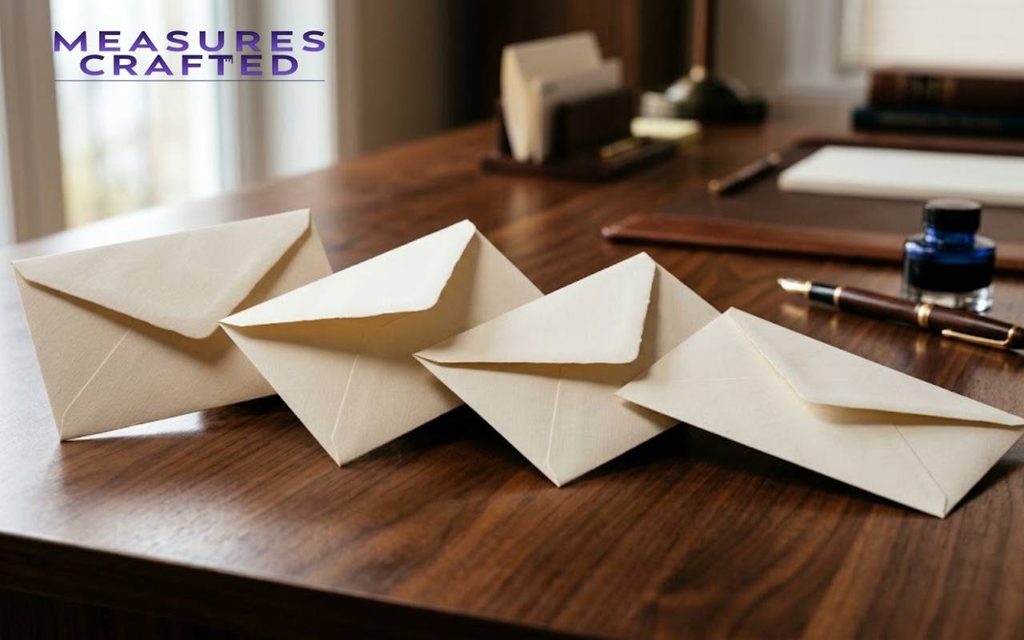
Standard #10 envelopes run about 4.1 inches long. Stack four of them end to end and you will come in just under 18 inches, close enough for a rough visual comparison in a pinch. It is an odd but genuinely useful trick if you are working in an office and need a quick length check without leaving your desk.
Check out our guide on, How Big Is a Monster Can? Dimensions, Sizes, and Comparisons
14. An 18-Inch Charm Necklace
In jewelry sizing, the 18-inch chain is one of the most popular lengths sold, sitting right at the collarbone on most adults. It is often labeled a “princess length” in catalogs.
15. A Bowling Pin Plus a Fifth More
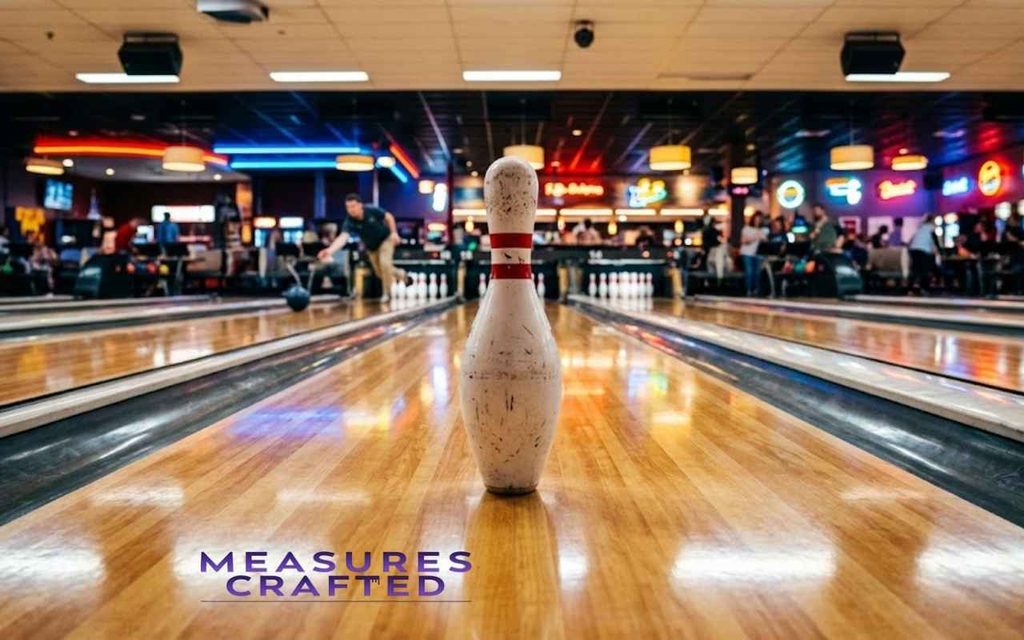
A regulation bowling pin stands 15 inches tall. Add roughly a fifth of that height again, and you are at 18 inches, a small but useful measurement reference for anyone who bowls regularly.
16. Five Crayons Lined Up End to End
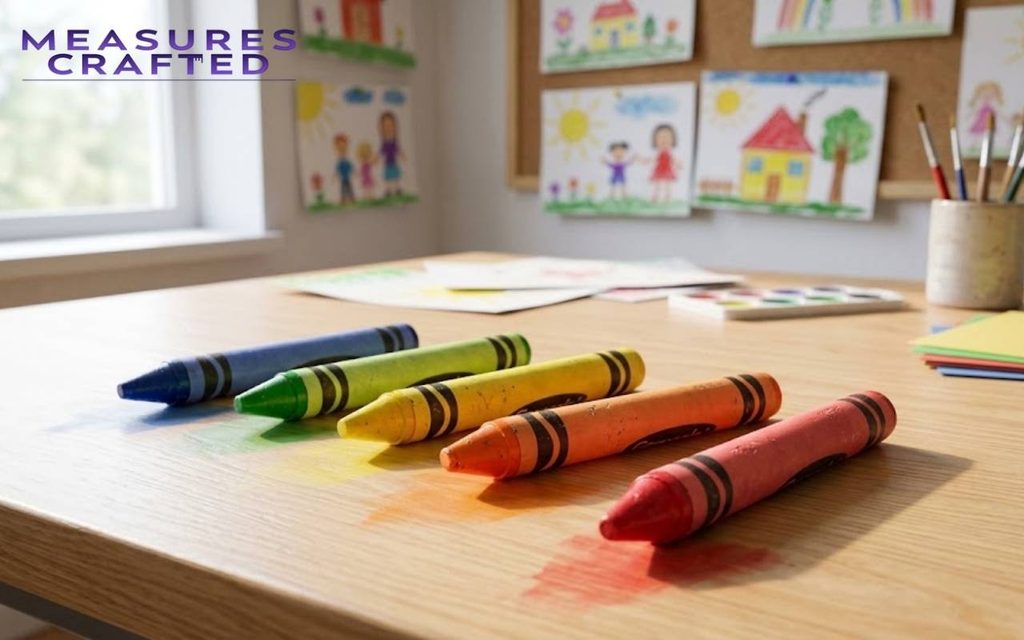
A standard crayon runs about 3.5 inches. Five of them, laid tip to tip, land right around 18 inches, a fun, low-tech way to demonstrate the length to a kid using something already sitting in a school supply box. It is a favorite trick among teachers explaining measurement units for the first time.
Because crayons are so uniformly sized across brands, this comparison holds up whether you are using a big-name brand or a generic box from the dollar store.
17. A Small Wooden Pizza Peel

The handled wooden boards used to slide pizzas in and out of an oven typically run close to 18 inches in total length, handle included. The paddle portion alone is usually shorter, with the handle making up the remaining length needed to keep hands safely away from oven heat.
Home bakers who have upgraded to pizza stones often pick up one of these specifically because the extended reach makes it far easier to manage a hot oven safely.
Want to learn more? 20 Everyday Things That Are 10 Inches Long
18. The Average Newborn Baby’s Length
Full-term newborns typically measure between 18 and 20 inches at birth, according to widely cited pediatric growth data. It is one of the first measurement comparison points new parents encounter, often before they have even left the hospital.
19. A Knee-High Boot Shaft
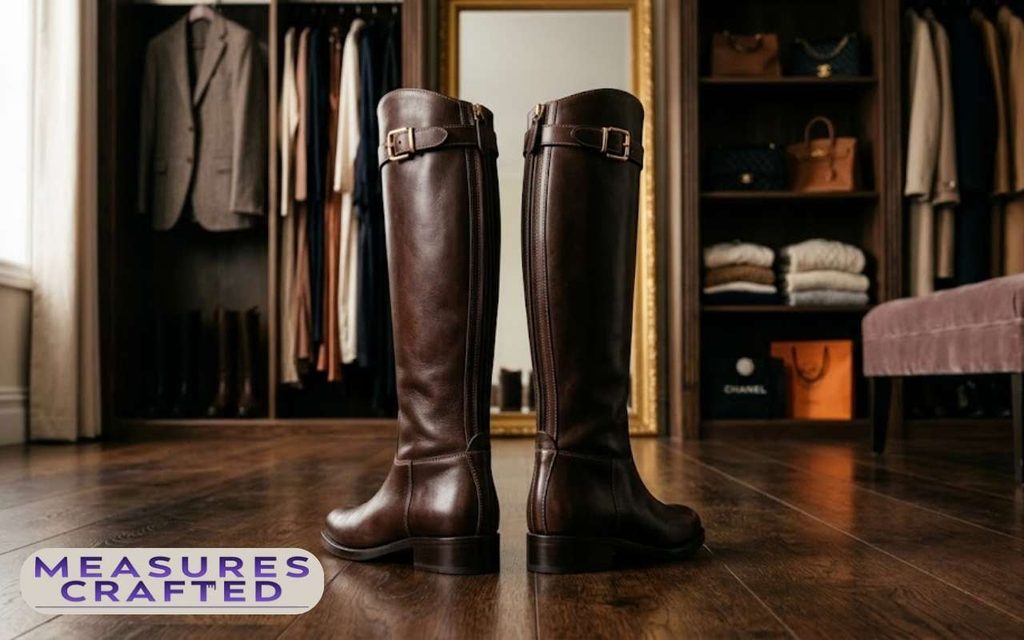
The shaft on a classic pair of knee-high boots, measured from the top of the sole to the top edge, commonly runs close to 18 inches on standard adult sizing. Footwear brands treat this as something close to an industry norm.
20. A Large 18-Inch Pizza Box

Beyond the pizza itself, the box that holds a large 18-inch pie is cut to match, making it one of the most literal, self-labeling 18 inch objects you will find in daily life.
“Once you have got two or three go-to objects memorized, you stop needing a tape measure for rough estimates. Your brain does the math for you.” That is the whole point of building a mental visual reference library.
How to Estimate 18 Inches Without a Measuring Tool
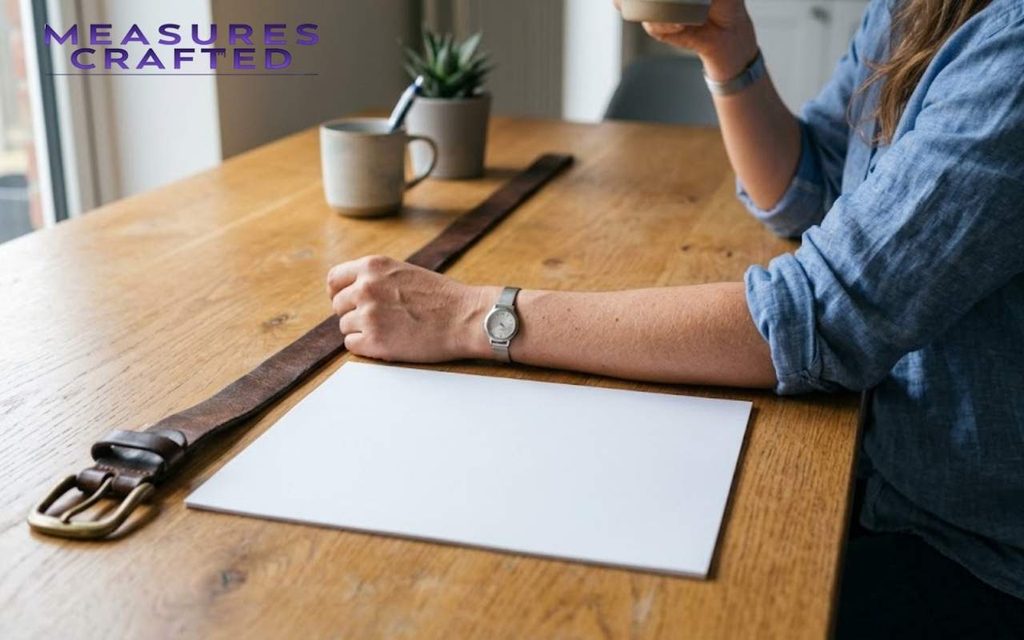
You would not always have a measuring tool on hand, so it helps to have a few body-based shortcuts ready.
- Forearm length: Most adult forearms, from elbow to wrist, measure close to 18 inches. It is one of the fastest ways to estimate without a ruler.
- Two hand-spans: Spread your fingers wide and measure from thumb tip to pinky tip, then repeat. Two spans typically land near 18 inches for most adults.
- Paper-plus-a-bit trick: A standard sheet of printer paper is 11 inches long. Add roughly seven more inches, about two-thirds of another sheet, and you have got your length.
- Belt or shoelace trick: Fold a standard belt in half; the folded length often lands close to 18 inches, depending on belt size.
None of these methods replace standard dimensions from an actual tape measure, but they are solid for quick, ballpark estimating length when precision does not matter.
Where an 18-Inch Measurement Really Matters
This is not just trivia. Getting this length wrong has real consequences in a handful of situations:
- Furniture clearance: An 18-inch miscalculation on a coffee table or nightstand can mean it does not fit the walking path you planned around it.
- Shipping and packaging: Many carriers set dimensional pricing tiers around 18-inch box thresholds, so a box that is slightly over can bump your shipping cost up a tier.
- Appliance installation: Cabinet and drawer depths, dishwasher openings, and under-counter spacing are frequently built to 18-inch specs, so a mismeasurement here can mean an appliance simply would not slide in.
- Doll and collectible sizing: Clothing, accessories, and display cases for the popular 18-inch doll category are manufactured to that exact spec, and anything off by even an inch would not fit properly.
Mistakes People Often Make With 18-Inch Measurements
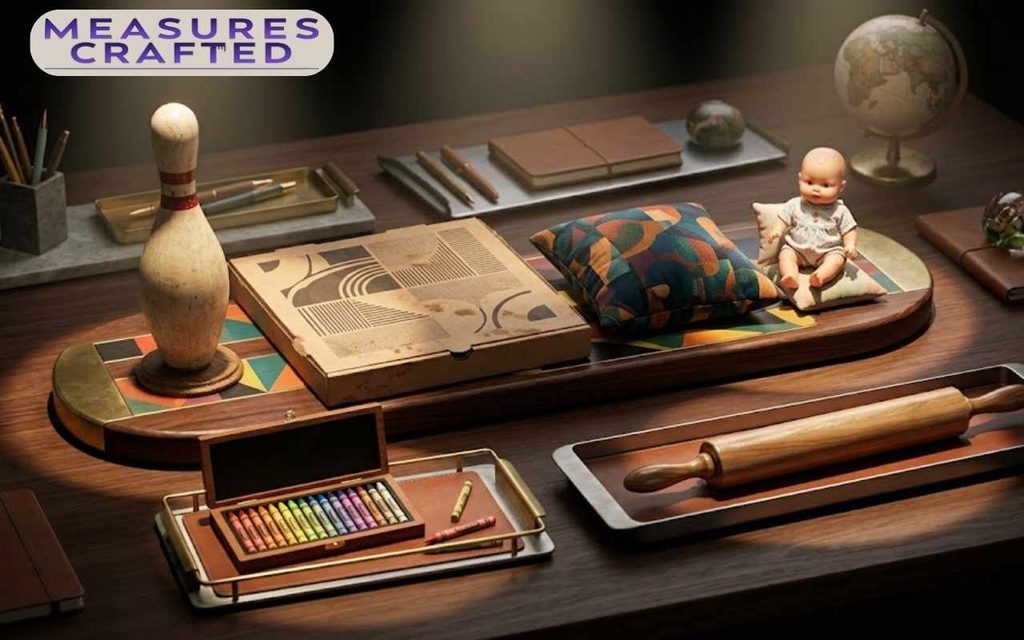
A few recurring slip-ups show up again and again when people work with this 18 inch measurement:
- Confusing inches with feet. Saying “18 feet” instead of “18 inches” is an easy typo, but it is a six-times difference in real terms.
- Treating “about 18 inches” as exact. Product listings often round for convenience. Always check the fine print if precision actually matters for your project.
- Ignoring depth versus length. A drawer listed at “18 inches” might refer to depth, not width, and mixing those up leads to poor-fitting furniture or cabinetry.
Curious about this? How Long Is 11 Inches? 25 common Things And Conversion Guide
18 Inches vs Other Everyday Measurements
Seeing this length next to its neighbors helps put it in perspective.
| Measurement | Feet Equivalent | Common Example |
|---|---|---|
| 12 inches | 1 ft | Standard ruler |
| 18 inches | 1.5 ft | Rolling pin, throw pillow |
| 24 inches | 2 ft | Yardstick’s midpoint |
| 36 inches | 3 ft (1 yd) | Baseball bat |
Notice how 18 inches sits exactly halfway between a ruler and a two-foot span. That middle position is part of why it shows up so often in product design; it is a natural, comfortable in-between size for countless household and personal items.
Quick Quiz: Test Your Knowledge on 18 Inches
Think you have got a solid feel for this measurement now? Put it to the test with these seven quick questions before checking your answers at the end.
1. How many feet does 18 inches equal?
A) 1 foot B) 1.5 feet C) 2 feet D) 2.5 feet
2. What is 18 inches in centimeters?
A) 30.48 cm B) 40.64 cm C) 45.72 cm D) 50.8 cm
3. Which of these is a popular collectible item built to the 18-inch standard?
A) Teddy bear B) Baby doll C) Action figure D) Puzzle box
4. A standard #10 envelope is about 4.1 inches long. How many of them, stacked lengthwise, get you close to 18 inches?
A) Two B) Three C) Four D) Five
5. What is a common floor tile size that matches this measurement exactly?
A) 12×12 inches B) 16×16 inches C) 18×18 inches D) 24×24 inches
Answers:
- B — 1.5 feet
- C — 45.72 cm
- B — Baby doll
- C — Four envelopes
- C — 18×18 inches
Conclusion
Eighteen inches turns out to be one of the most quietly common lengths in daily life, from the pillow on your couch to the tires on your car. Once you have got a couple of these 18 inch objects memorized, whether it is a rolling pin, a forearm, or a stack of crayons, you will never need to squint at a tape measure again just to get a rough sense of scale.
That is really the whole value of building a mental visual reference: it turns an abstract number into something you can picture, compare, and trust at a glance.
FAQs about 18 inches
Got more questions about this length? Here are a few answers you would not find anywhere else.
1. Does 18 inches change based on the measuring system used?
No. An inch is a fixed imperial unit, so 18 inches equals the same 45.72 cm whether you are in the US, UK, or anywhere else that still uses inches for everyday measuring. Only the label changes, never the length.
2. Is 18 inches a common size for pet carriers?
Yes, actually. Small to medium pet carriers, especially for cats and small dogs, often measure close to 18 inches in length, which keeps them compliant with most airline under-seat size limits.
3. How does 18 inches compare to a typical guitar’s body width?
Pretty closely. The widest point on many acoustic guitar bodies lands right around 16 to 18 inches, making it one of the more surprising musical instrument comparisons for this length.
Learn more about, Dead Sea Dimensions: Full Picture Behind World’s Saltiest Lake

Hi, I’m Maya Winston, and I run the Measurements category here at Measures Crafted. I’ve always been fascinated by how numbers translate into real-world scale — there’s something satisfying about finally getting how big or how far something actually is. My goal is to make every measurement feel intuitive, not intimidating, so you walk away with a clearer picture every time you visit.