

Ever tried picturing 11 inches and drawn a total blank? You are not alone. Numbers on a page do not mean much until you connect them to something you can actually see or hold. That is exactly what this guide does — it turns an abstract 11-inch measurement into a list of real, familiar objects you already recognize from daily life.
By the end, you would not just know that 11 inches equals a certain number of centimeters. You will have a mental visual reference you can call up any time you need to eyeball a length without a measuring tool in sight.
11 Inches Converted: Every Unit You Might Need
If you are doing any kind of DIY project, packing a bag, or comparing product dimensions online, you will probably need more than just the inch-to-centimeter conversion. Here is the full breakdown of 11 inches in cm, feet, and everything in between.
| Unit | Value |
|---|---|
| Inches | 11 in |
| Centimeters | 27.94 cm |
| Millimeters | 279.4 mm |
| Feet | 0.917 feet |
| Yards | 0.306 yards |
Read more about, 5 Inches Explained with 15 Everyday Objects
The formula behind all of this is simple, and it is worth memorizing if you deal with metric units often:
inches × 2.54 = centimeters
So for 11 inches: 11 × 2.54 = 27.94 cm. That one formula lets you convert any inch measurement on the fly, without pulling up a length calculator every time.
If you are more comfortable thinking in feet, remember that a foot is 12 inches. Since 11 inches falls just one inch short of that mark, it is easiest to think of it as “almost a foot” — close enough that the difference barely registers unless you are measuring something precisely.
Keep reading, because the rest of this guide builds out a much richer size comparison using objects from your kitchen, your desk, your closet, and even your junk drawer.
Picturing 11 Inches: Why Visual References Beat Numbers

Here is something interesting about how the brain processes length: numbers alone do not stick. Tell someone “that’s 11 inches long” and they will nod, but they would not actually see it. Tell them “that is about as long as a men’s size 11 sneaker,” and suddenly they have got a mental image they can work with.
That is the whole idea behind a visual benchmark. Instead of memorizing a number, you are building a library of familiar objects you already understand the size of. Next time you need to eyeball something close to 11 inches, you do not reach for a tape measure — you just think of the object and compare.
This approach works because most people interact with the same handful of household objects on a near-daily basis. A knife. A sheet of paper. A shoe. These become natural length reference points precisely because you already own them.
Below, you will find 25 of the best comparisons for 11 inches, starting with three you probably have not seen anywhere else.
Three Comparisons You Won’t Find Anywhere Else
Most 11 inch reference lists repeat the same tired examples — paper, knives, iPads. These three are a little different, and honestly, a little more fun to picture.
A Classic Barbie Doll, Head to Toe

Standing at roughly 11.5 inches, a classic Barbie doll is one of the most widely recognized objects that lands almost exactly at this eleven-inch length. Nearly everyone has held one, seen one, or at least knows roughly how tall one stands, which makes it a surprisingly effective visual reference.
A Compact Travel Umbrella, Folded Shut

Most folding travel umbrellas collapse down to somewhere around 11 inches when closed. If you have ever tossed one into a backpack or a bag’s side pocket, you already have a physical sense of this length — it is a genuinely practical comparison for anyone thinking about carry-on sizes or bag dimensions.
Read more about, Coke Can Dimensions: The Complete Size Guide for Every Format
A Large Chipotle-Style Burrito

It sounds unusual, but a fully rolled, jumbo-style burrito often measures close to 11 inches end to end. Food-based comparisons tend to stick in memory better than you would expect, and this one’s hard to forget once you picture it.
These three examples prove a point: 11 inches shows up in more places than the usual “paper and knife” comparisons suggest. Now let’s move into the categories most people are searching for.
Office and Desk Items Close to 11 Inches
Desks are full of objects that hover right around this length, which makes them some of the most useful everyday size comparisons available.
A Full-Size Laptop Keyboard’s Width

Most standard laptop keyboards — the kind found on 15-inch laptops — measure close to 11 inches across, from the left edge to the right edge of the key layout. Next time you are typing, glance down. That width is your reference point.
A Spiral Notebook’s Total Height
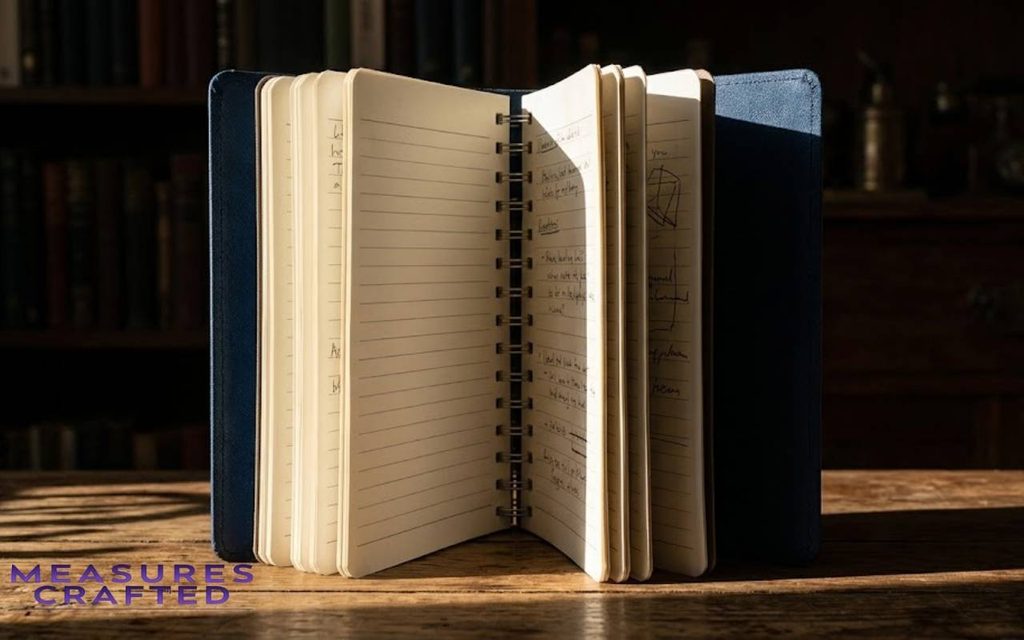
Standard spiral notebooks, especially the wide-ruled kind used in schools, typically run about 10.5 to 11 inches tall. Close the cover and hold it upright, and you have got a near-perfect 11-inch length in your hands.
A Standard Clipboard’s Vertical Length
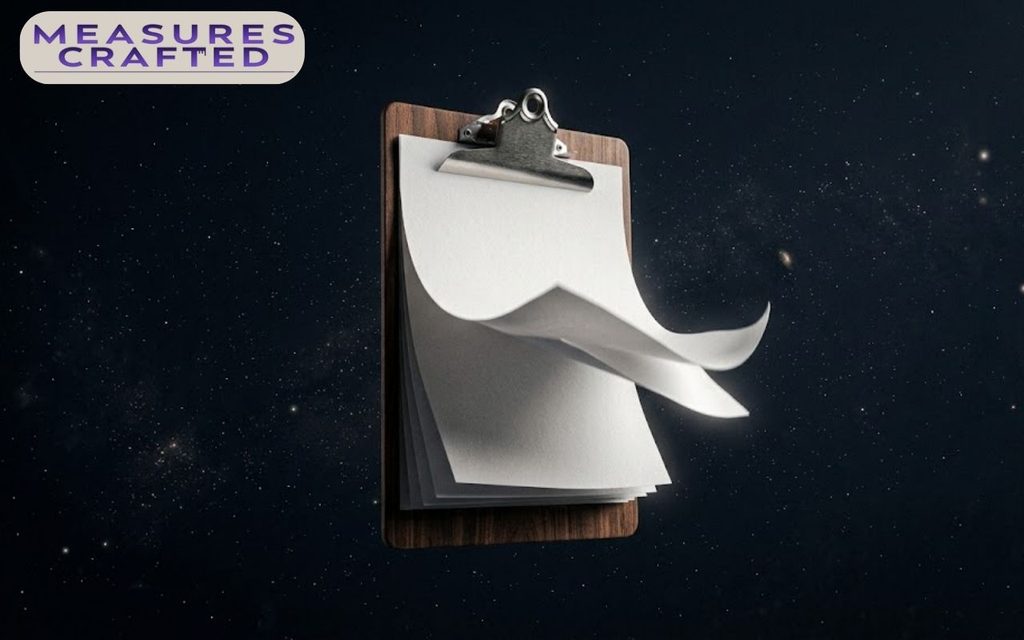
Clipboards are built to hold letter-size paper, which puts most of them right at 11 inches or slightly over, top to bottom. The clip mechanism at the top typically adds a small amount of extra length beyond the paper itself, so while the paper underneath measures exactly 11 inches, the clipboard as a whole often runs a touch longer.
Still, it is close enough to serve as a dependable length reference, especially since clipboards show up everywhere from classrooms to job sites to hospital charts.
You may also like, Pokémon Card Dimensions: Size Guide (Inches, MM, CM & Pixels)
An Adjustable Desk Lamp’s Extended Arm

Fully extended, the arm of a typical adjustable desk lamp often stretches close to 11 inches — a detail you would never notice unless you actually measured it. These lamps are usually built with two or three jointed sections that fold down for storage but extend out for use, and when fully stretched toward a desk surface, the reach frequently lands in this range.
It is a good example of how everyday objects carry hidden measurements that only become obvious once you start paying attention to them.
A Compact Desk Organizer Tray
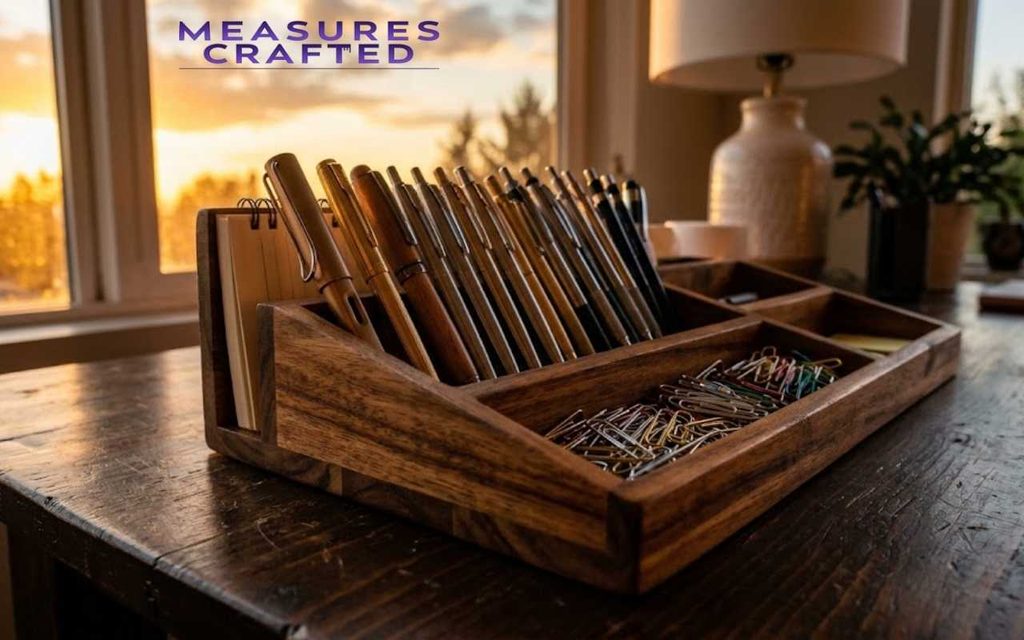
Many desktop trays designed to hold pens, sticky notes, and paperclips run about 11 inches along the longer edge. This size is not accidental — trays are usually built to sit comfortably within the depth of a standard desk without crowding a keyboard or monitor stand, and 11 inches tends to hit that sweet spot.
If you have got one of these organizers nearby, it doubles as a handy measuring tool the next time you need a rough estimate without reaching for a tape measure.
A Standard 3-Ring School Binder
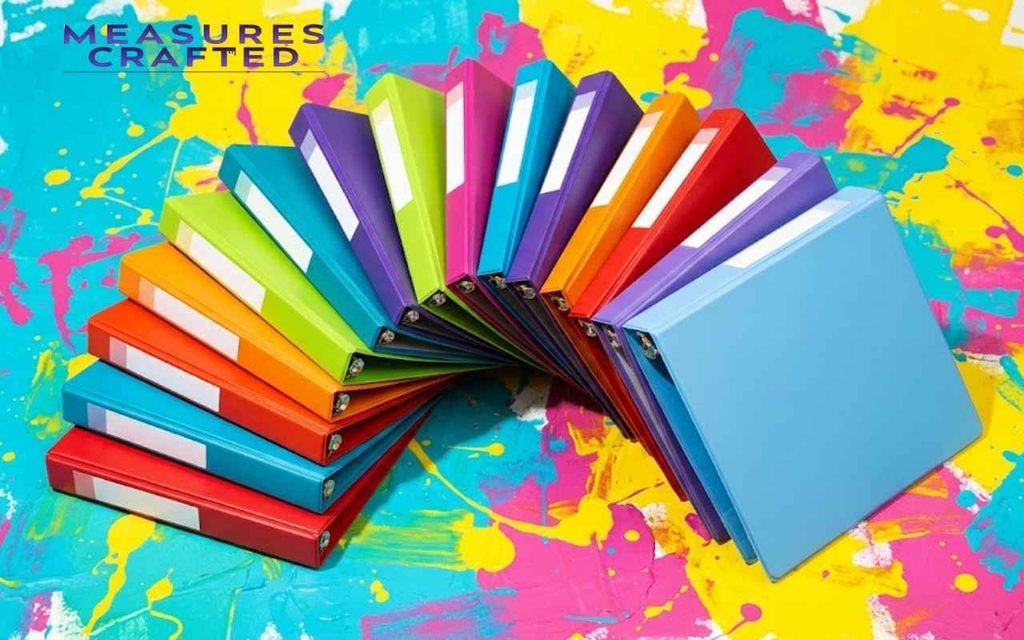
A 1-inch binder, closed, typically measures close to 11.5 inches tall — just over our target length, but close enough to serve as a solid mental anchor. Binders are built around the same letter-paper dimensions as clipboards and notebooks, which is why so many office and school supplies cluster around this same general size.
The slight overage compared to a true 11 inches comes from the binder’s cover and spine construction, which adds a small margin around the paper it protects.
A Briefcase’s Interior Width
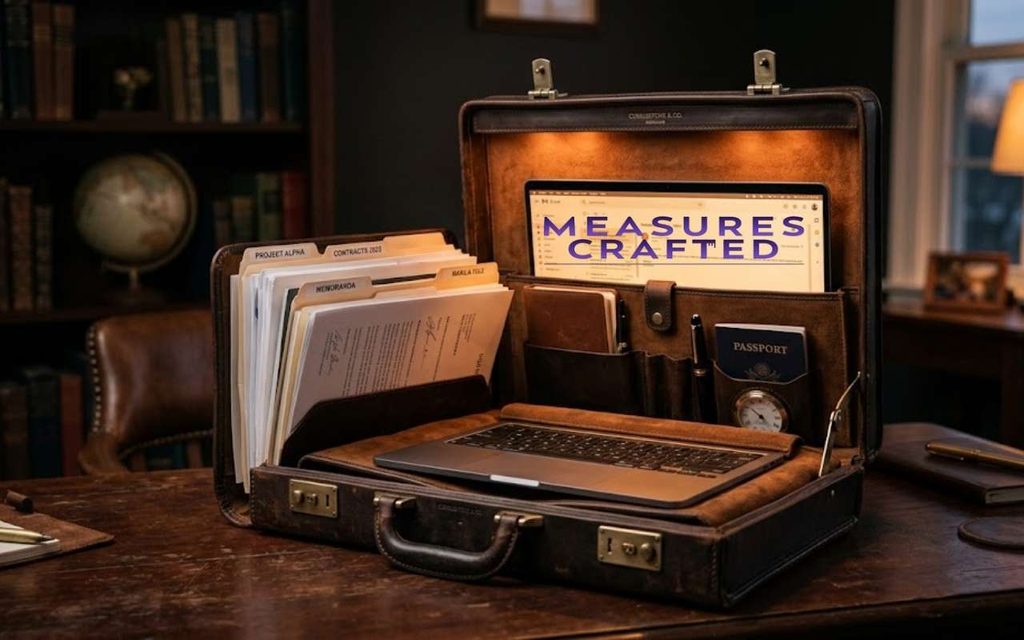
Most briefcases are built to comfortably fit laptops and folders, which puts their interior width at right around 11 inches — not by accident, but by design, since that is the width needed to hold standard paper without folding it.
Discover more about, How Long Is 8 Inches? 20 Everyday Comparison That Make it easy
Books, Paper, and Reading Materials at 11 Inches
Paper products are some of the most consistent, standardized objects you will find — which makes them reliable measurement reference points.
A Sheet of US Letter Paper, Long Edge
This is the gold standard comparison. US Letter paper, the kind used in printers across the US, measures 8.5 by 11 inches. That long edge — the 11-inch side — is probably the single most accessible reference in your house or office right now. Grab a sheet, hold it up, and you are looking at exactly 11 inches.
A Tall Hardcover Book Edition

Larger hardcover editions, particularly coffee table books or oversized novels, often reach close to 11 inches in height. Regular hardcovers tend to sit shorter, closer to 9 inches, so it is really the oversized formats — the kind publishers use for photography collections or art books — that land in this range. If you have got a bookshelf at home, take a look at the tallest spine on it.
There is a decent chance it is brushing right up against this eleven-inch length, especially if it is the type of book that does not quite fit flush with the rest of the row.
A Classic Vinyl Record Sleeve
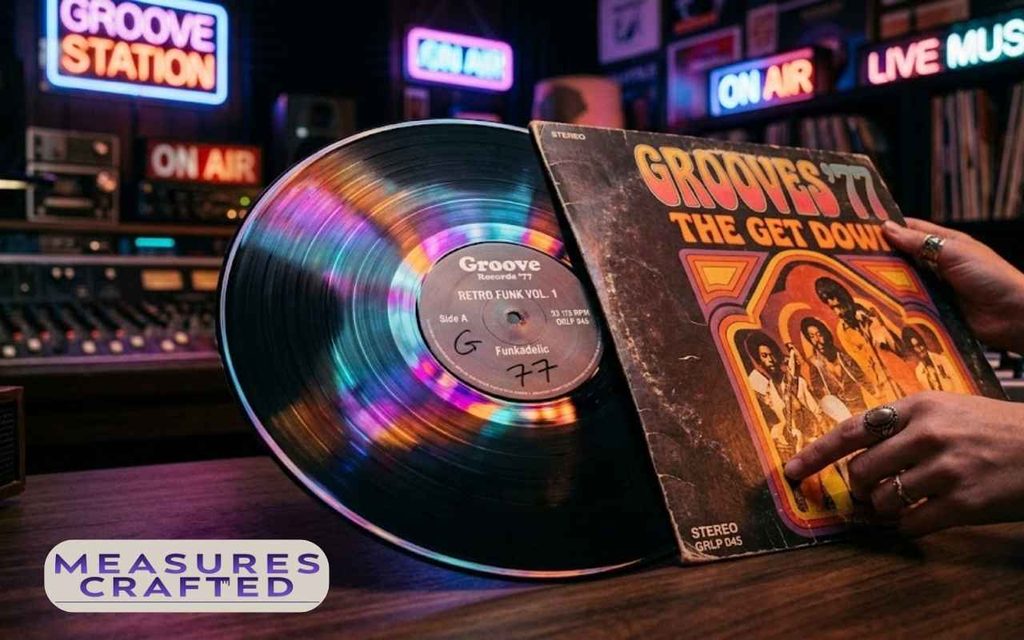
Vinyl record sleeves are a standardized size — 12.375 inches square — but the actual record inside, and the visible sleeve opening, often reads closer to 11 to 12 inches depending on how you measure it.
The discrepancy comes down to the slight border of cardboard framing the record itself, so if you are measuring the vinyl disc rather than the sleeve it sits in, you will land right around this 11-inch length mark. For anyone who collects records, this is a comparison that’s likely already sitting in a crate somewhere nearby.
Kitchen Items You Can Measure Against 11 Inches
The kitchen might be the richest source of 11-inch length comparisons in the entire house.
Check out our guide on, How Big Is a Monster Can? Dimensions, Sizes, and Comparisons
A Professional Chef’s Knife Blade
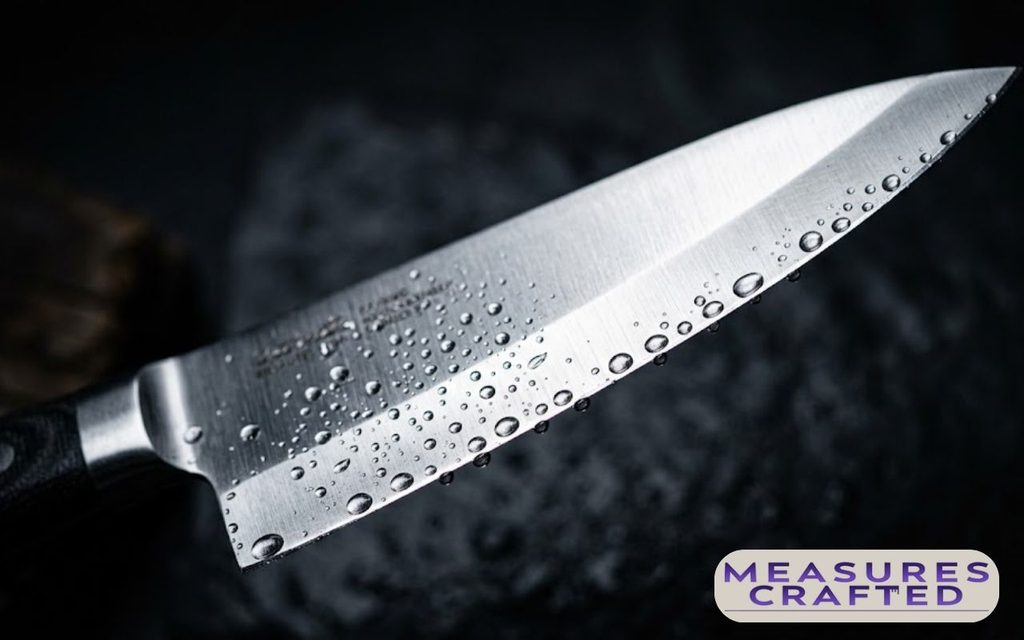
Professional-grade chef’s knives often feature blades in the 10 to 11 inch range, longer than the 8-inch knives found in most home kitchens. If you have ever watched a cooking show and noticed the chef using an intimidatingly long blade, that is likely in this size category.
A Mid-Size Cutting Board’s Narrow Edge

Many cutting boards, particularly the medium rectangular style, measure close to 11 inches along their shorter edge, even when the longer side stretches well beyond a foot. This shorter measurement tends to be the more practical one to remember, since it is usually the dimension that decides whether a board actually fits in a drawer, a dish rack, or a narrow kitchen cabinet.
A Standard Wooden Rolling Pin

The rolling portion of a classic wooden rolling pin — not including the handles — typically runs somewhere between 10 and 11 inches. That length is no accident: it is wide enough to flatten a standard pie crust or a batch of cookie dough in just a few passes, which is exactly why bakers have stuck with roughly the same rolling pin proportions for generations.
An Oversized Restaurant-Style Dinner Plate
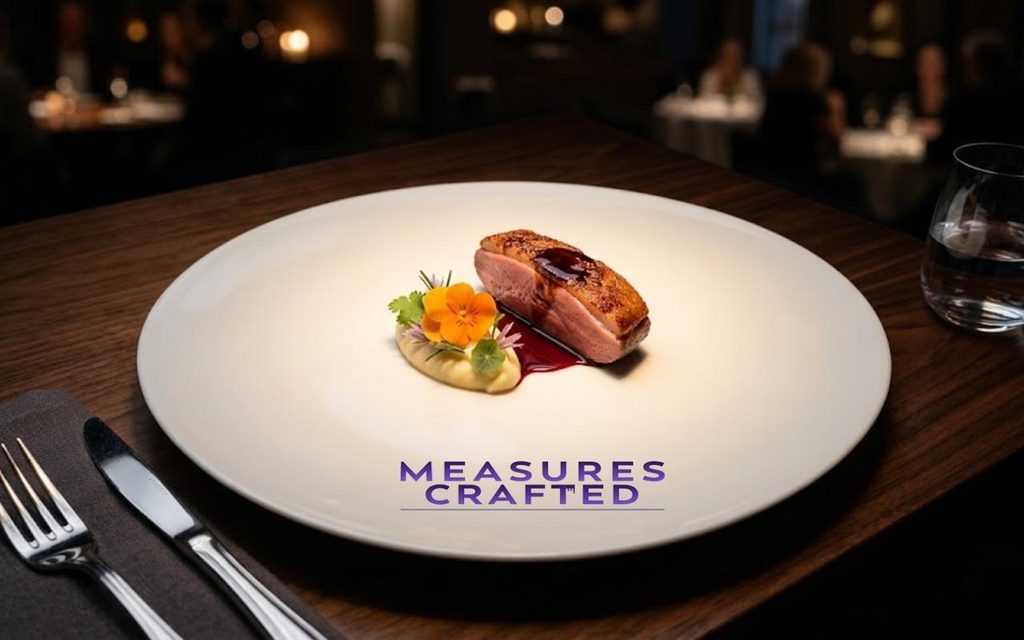
Standard dinner plates at home usually measure 10 to 10.5 inches across, which is why they can start to feel a little cramped once a full entrée and sides are piled on. Restaurant-style plates, built for presentation as much as function, often stretch to 11 inches or beyond, giving chefs extra plate space to arrange food without everything crowding together.
A 3-Quart Ceramic Casserole Dish

A 3-quart casserole dish typically measures somewhere around 11 x 8 inches, making it one of the most common rectangular dish sizes in kitchenware collections. Its size hits a sweet spot for everyday cooking — big enough to handle a family-sized lasagna or a baked pasta dish, yet still compact enough to fit comfortably in most standard ovens.
See also, 20 Things That Are 18 Inches Long With Real-World Examples
A Small 11-Inch Pizza

This one’s built right into the name. Personal pizza sizes often land at 11 inches in diameter — smaller than a medium pizza (usually 12 inches), but larger than the individual 6 to 8 inch options. Pizza diameter is actually one of the more consistent, standardized measurements in food service, which makes this comparison unusually reliable.
Tech and Gadgets Close to 11 Inches
Tech companies love round, marketable numbers, which means several products are named directly after this measurement.
An 11-Inch iPad Tablet
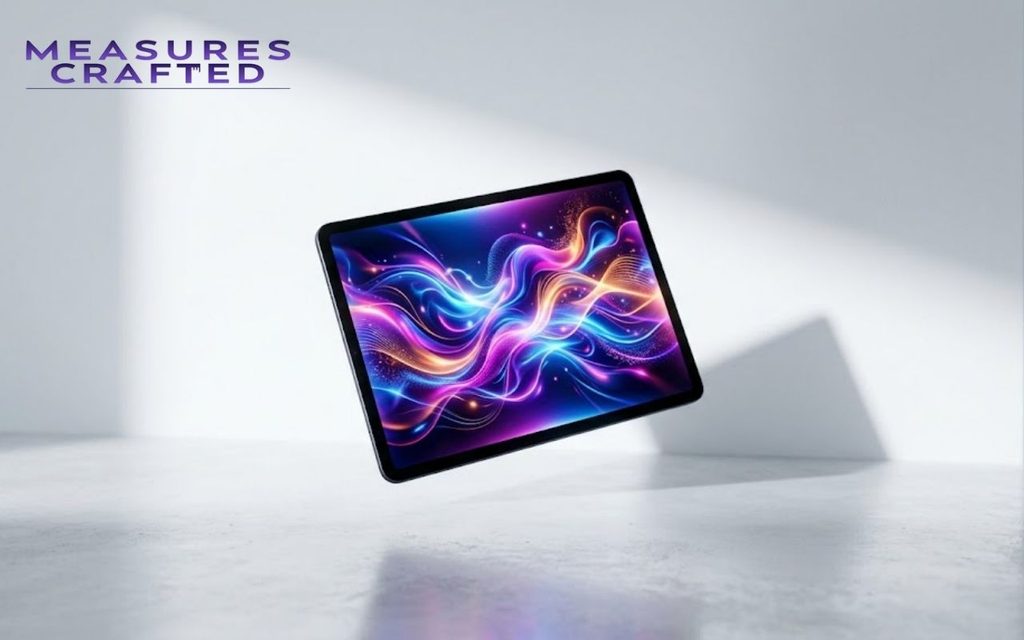
Both the iPad Pro and iPad Air are available in an 11-inch configuration, referring to the diagonal screen measurement — corner to corner, not width or height. It is worth noting this distinction, since a lot of people assume the “11-inch” label refers to a single side, when it is actually the tablet size measured diagonally.
An 11-Inch Ultraportable Laptop

Compact laptops, including several Chromebook models, are sold specifically as 11-inch screen devices. Like the iPad, this refers to the diagonal laptop screen size, making these some of the most portable laptop dimensions on the market.
Footwear and Fashion as an 11 Inches Reference
Shoes offer one of the most personal, easy-to-grasp comparisons on this whole list.
A Men’s Size 11 Sneaker
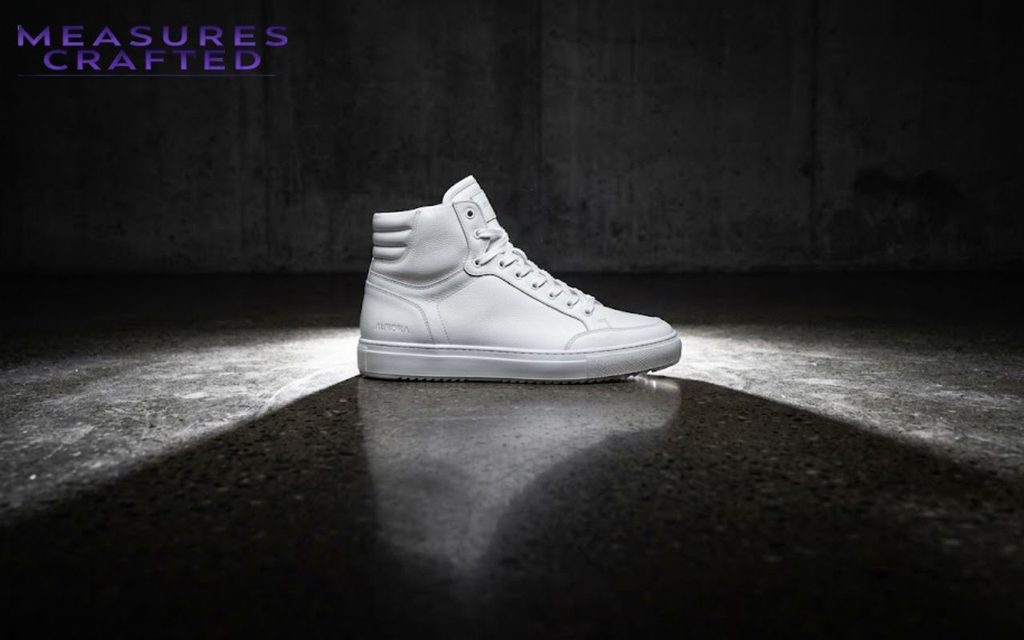
A men’s size 11 shoe measures approximately 11 inches in shoe length, foot heel to toe. This is one of those rare cases where the sneaker size number and the actual footwear dimensions line up almost perfectly — making it an unusually intuitive shoe measurement reference for anyone who wears, or knows someone who wears, that size.
A Panoramic-Style Framed Photograph
Panoramic photo frames, built specifically for wide-format prints, often measure close to 11 inches along the shorter dimension, with the longer edge stretching out well beyond it to accommodate that sweeping, wide-angle look.
If you have ever hung one of these frames on a hallway or staircase wall, you have already had an 11-inch visual reference staring back at you without realizing it — the frame’s narrower side lines up almost exactly with the length we have been comparing throughout this guide.
Sports Gear That Lines Up With 11 Inches
Sports gear gives you some of the most precise, standardized measurements on this whole list, since regulation sizing leaves almost no room for variation.
A Regulation Soccer Ball’s Diameter
A regulation size 5 soccer ball has a circumference of about 27 to 28 inches, which works out to a diameter — the straight-line measurement through the center — of roughly 8.7 to 8.9 inches. Slightly smaller than 11 inches, but close enough that it is commonly listed among round objects used for size comparison, especially when people confuse circumference with diameter.
A Regulation American Football’s Long Axis
Measured tip to tip along its longest point, a regulation NFL football runs approximately 11 to 11.25 inches — making it one of the closest sports-equipment matches to this exact length, even closer than the soccer ball comparison above.
How 11 Inches Stacks Up Against Nearby Measurements
Numbers close together can be surprisingly hard to tell apart just by looking. Here is a quick side-by-side.
| Length | Comparable Object |
|---|---|
| 9 inches | A standard dinner fork |
| 10 inches | A standard subway sandwich (6-inch, doubled minus a bit) |
| 11 inches | US Letter paper, long edge |
| 12 inches (1 foot) | A standard ruler |
| 13 inches | A large men’s shoebox length |
| 14 inches | A standard pizza box (small-to-medium) |
The jump from 10 to 11 inches is subtle — about the width of a thumb. But the jump from 11 to 12 is where most people start to feel the difference, since 12 inches crosses the psychological threshold into “a full foot.” Keeping these nearby measurements in mind helps calibrate your eye even further.
Where an 11-Inch Reference Actually Comes in Handy
Want to learn more? 20 Everyday Things That Are 10 Inches Long
This is not just trivia. Knowing what 11 inches looks like solves real, everyday problems:
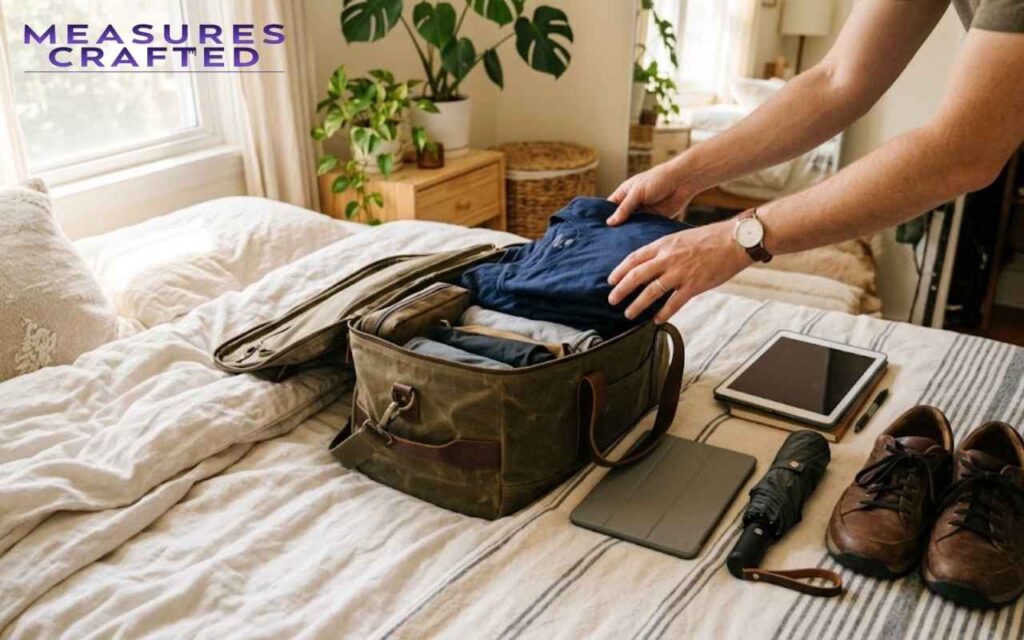
- Packing a bag — checking if a tablet, umbrella, or accessory will fit into a specific pocket or sleeve
- Buying a laptop sleeve — confirming your 11-inch laptop will actually slide in without stretching the seams
- Sizing a picture frame — eyeballing whether a print or photo will fit a space on the wall
- Shopping for shoes online — cross-checking a size 11 listing against actual foot length
- Cooking and baking — confirming a casserole dish or cutting board will fit your oven or counter space
In each case, having a mental image ready saves you from guessing — or worse, ordering the wrong size.
No Ruler? Try This 11-Inch Trick
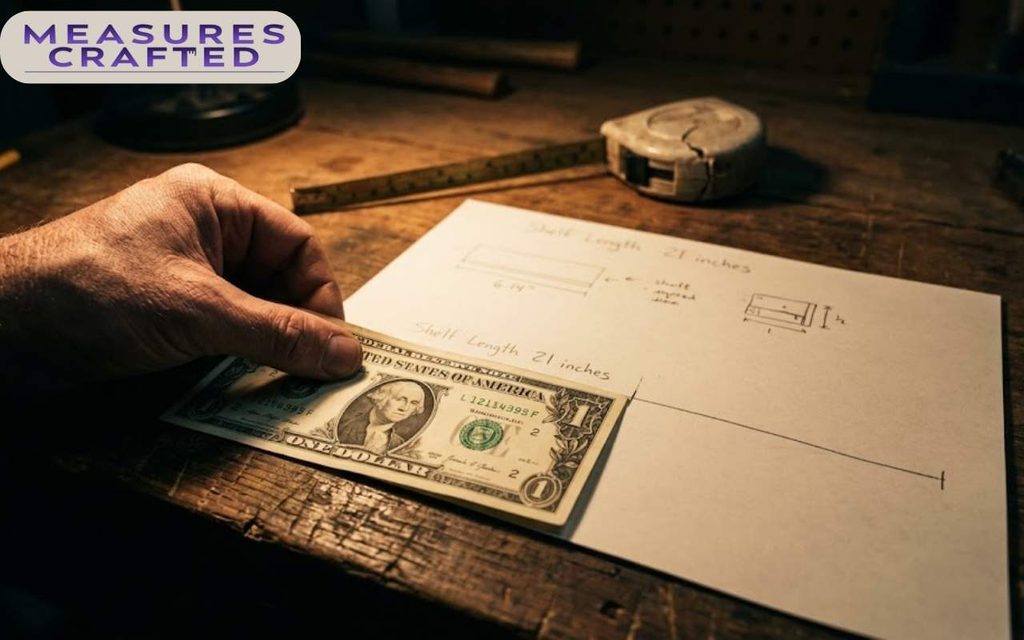
Don’t have a tape measure handy? Here is a practical workaround using things you probably already have:
- Grab a sheet of printer paper. The long edge is exactly 11 inches — no math required.
- Use a dollar bill twice, plus a bit. A US dollar bill measures about 6.14 inches long, so two bills laid end to end get you close, though not exact.
- Reference your own shoe, if you wear a men’s size 11 — your foot length is your built-in measuring guide.
This kind of improvised measurement guide would not replace a real ruler for precision work, but for quick, casual estimates, it is more than good enough.
quick Quiz: How Long Is 11 Inches?
Still have a few quick questions rattling around? Here are the ones people ask most.
1. What is 11 inches in centimeters?
A) 25.4 cm B) 27.94 cm C) 30.48 cm D) 22.5 cm
2. Which everyday item’s long edge measures exactly 11 inches?
A) A dollar bill B) A US quarter C) US Letter paper D) A soccer ball
3. What does “11-inch” refer to when talking about an iPad or laptop screen?
A) The width only B) The height only C) The diagonal screen measurement D) The thickness of the device
4. Roughly how many US quarters lined up edge to edge would it take to reach 11 inches?
A) About 5 B) About 8 C) About 11.5 D) About 20
5. How does 11 inches compare to 1 foot?
A) 11 inches is exactly 1 foot B) 11 inches is 1 inch short of a foot C) 11 inches is longer than a foot D) 11 inches is half a foot
Answers:
- B) 27.94 cm
- C) US Letter paper
- C) The diagonal screen measurement
- C) About 11.5
- B) 11 inches is 1 inch short of a foot
Conclusion
At the end of the day, 11 inches is not just a number on a ruler — it is a length hiding in plain sight, built into objects you already touch every day. A sheet of paper. A knife blade. A shoe. A folded umbrella tucked into your bag.
That is really the point of building a mental library of size references: once you have got a handful of familiar objects locked in, you stop needing the ruler at all. Your everyday world becomes the measuring tool.
FAQs about 11 inches
Got a few more questions rattling around? Here are quick answers to the ones people ask most.
1. Does 11 inches change if you are measuring diagonally instead of straight across?
Yes, and this trips people up constantly. A diagonal measurement across a rectangle is always longer than either straight side, thanks to basic geometry. So an object that is 11 inches diagonally could have sides that are noticeably shorter — think of it like the difference between walking around a square block versus cutting straight across it.
2. Is there a difference between “11 inches” and “11 linear inches” on shipping labels?
There is a subtle but important distinction here. A plain “11 inches” usually refers to a single dimension, like length or height. “Linear inches,” on the other hand, is a shipping and airline term that adds length, width, and height together. So a suitcase listed at 11 linear inches for one side is very different from a bag whose combined dimensions total 11 inches — the second would be absurdly small.
3. Why do some countries list similar objects in centimeters instead of inches for the same size?
This comes down to which measurement system a country officially uses. The US relies on the imperial system, so inches dominate product listings, while most of the rest of the world uses the metric system, listing the same object in centimeters. An object sold as “11 inches” in the US might simply be relabeled “28 cm” elsewhere, even though it is the exact same physical size.
Learn more about, Dead Sea Dimensions: Full Picture Behind World’s Saltiest Lake

Hi, I’m Maya Winston, and I run the Measurements category here at Measures Crafted. I’ve always been fascinated by how numbers translate into real-world scale — there’s something satisfying about finally getting how big or how far something actually is. My goal is to make every measurement feel intuitive, not intimidating, so you walk away with a clearer picture every time you visit.