

You’re scrolling through a product listing when the specs catch your eye. The 3 inches measurement looks harmless on screen. Yet you can’t tell whether it fits your palm or your drawer. Numbers alone rarely paint a picture.
Real objects do. Once you know what three inches looks like in your hand, you’ll size up listings and tools in seconds. Below you’ll find a quick conversion chart and a guide to ruler markings. You’ll also get 23 familiar objects for an easy length comparison and three tricks for moments when no tape measure is around.
3 Inches Converted: Quick Reference Chart
Before diving into the list, here’s the length of 3 inches broken down into every unit you’re likely to need.
| Unit | 3 inches equals |
|---|---|
| Millimeters | 76.2 |
| Centimeters | 7.62 |
| Meters | 0.0762 |
| Kilometers | 0.0000762 |
| Feet | 0.25 |
| Yards | 0.0833 |
| Miles | ≈ 0.0000473 |
| Micrometers | 76,200 |
| Mils (thousandths of an inch) | 3,000 |
| Points | 216 |
| Picas | 18 |
Every inch conversion rests on one fixed number. One inch equals exactly 2.54 centimeters. The United States and several other countries agreed on that definition in 1959 and NIST still publishes it as the standard.
Three shortcuts cover nearly every situation:
- Inches to centimeters: multiply by 2.54.
- Inches to millimeters: multiply by 25.4.
- Centimeters back to inches: divide by 2.54.
The cm conversion suits everyday shopping. The millimeter conversion suits hardware and electronics, where parts often carry a metric spec. A few of the odd units earn their keep too.
Designers count 72 points per inch, and printers group 12 points into a pica. Machinists lean on mils because their tolerances shrink to a few thousandths of an inch.
How to Read 3 Inches on a Ruler or Tape Measure
Finding 3 inches on a ruler takes two seconds once you know the pattern. The three-inch mark sits at the numeral 3. The longest lines belong to whole numbers. Shorter lines follow for halves, quarters, eighths, and sixteenths.
Check out our guide on, How Long Is 500 Feet? 19 Real-World examples You Can Picture
Those ruler markings multiply fast. Look at how many steps fit inside the span:
| Mark type | Spaces within 3 inches |
|---|---|
| Quarter-inch | 12 |
| Eighth-inch | 24 |
| Sixteenth-inch | 48 |
Precision matters here. The tick just before the numeral reads 2 15/16 inches and the tick just after reads 3 1/16. Both stray by a single sixteenth. That gap is small but it can wreck a tight fit.
Start every ruler measurement at the zero line instead of the physical edge. Some plastic rulers leave a blank margin before zero. Steel rules often skip it and begin right at the edge.
Tape measures add a wrinkle. The metal hook on the end slides loosely by exactly its own thickness. That slide compensates whether you hook an edge or press against a wall. Trust the wiggle instead of fighting it.
23 Familiar Objects That Measure About 3 Inches
Now for the fun part. Some everyday things measure exactly 3 inches long. Others land within a whisker. Each entry below carries a real figure or an honest range so you can trust the comparison.
So how big is 3 inches? Big enough to matter and small enough to overlook. These objects make it easy to visualize.
A 3×6 Subway Tile
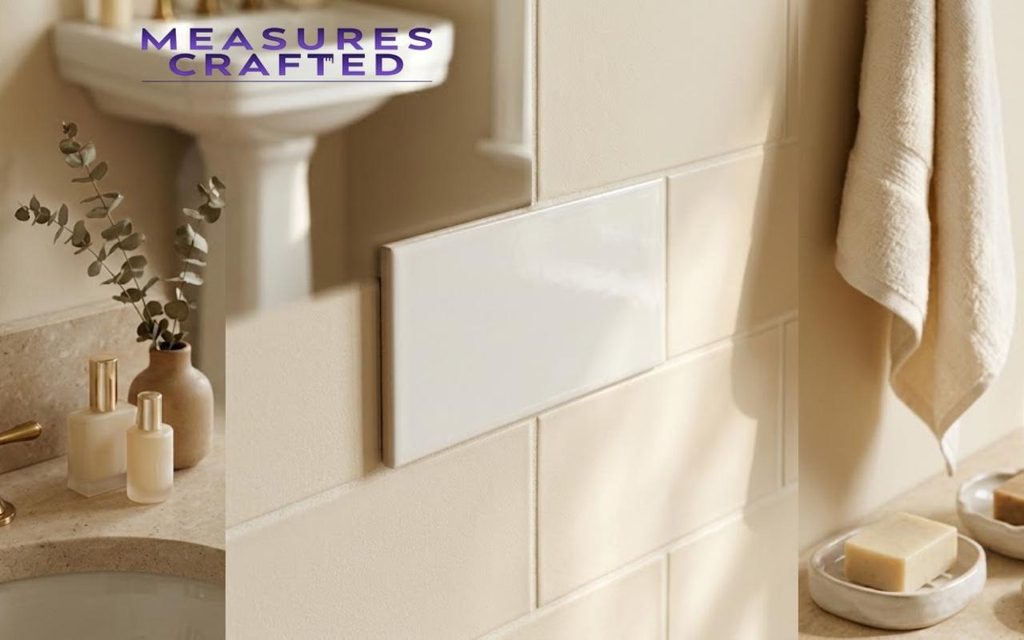
Walk through a backsplash aisle and you’ll spot this tile everywhere. Its short edge gives you a clean three-inch dimension. Read the label carefully though. Tile sizes follow nominal names so the real piece can run a fraction under. That gap leaves room for grout lines.
The Tile Council of North America publishes the standards behind those names. The style itself borrows its name from New York’s subway stations, which opened in 1904 with glazed white wall tile.
A Cotton Swab
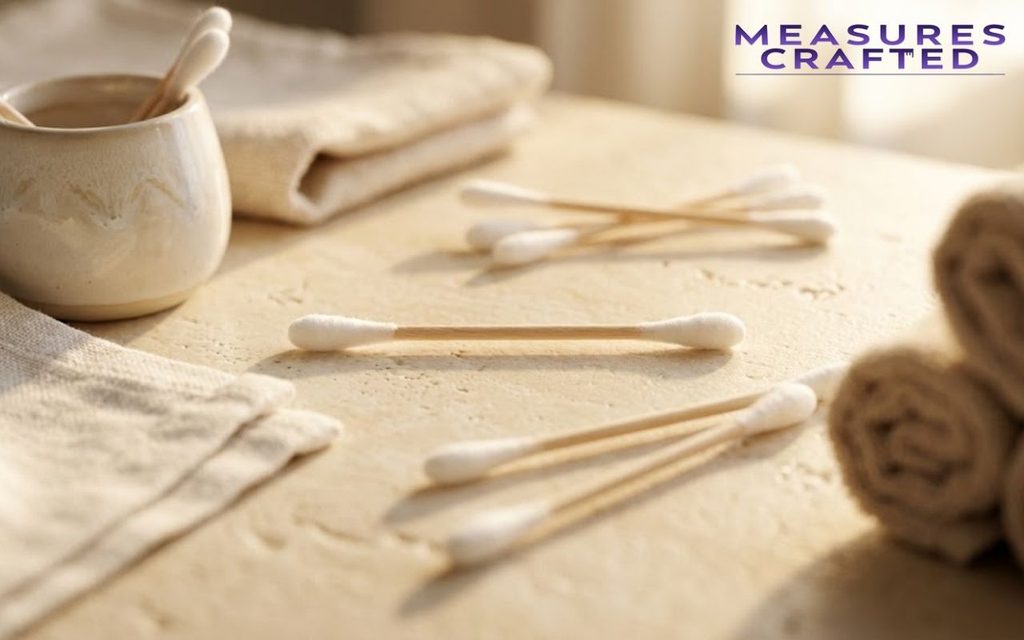
Grab one from the bathroom cabinet. Most swabs run close to 3 inches long from one cotton tip to the other. Brands vary by a hair so line up two or three for a fair test. Leo Gerstenzang launched the Q-tips brand in the 1920s after watching his wife wrap cotton around a toothpick.
A 1:64 Scale Die-Cast Toy Car
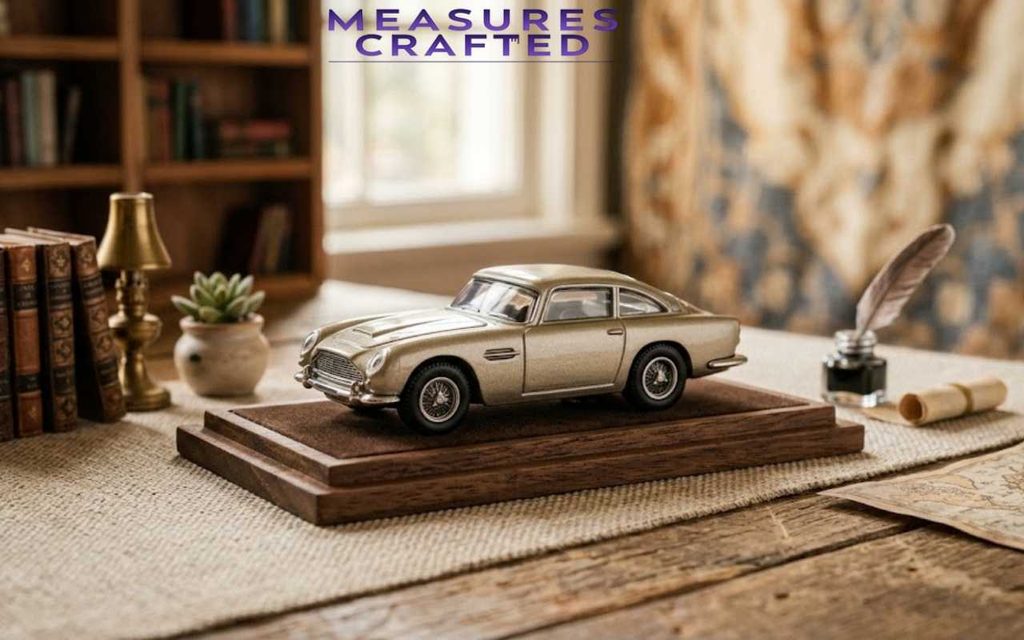
A kid’s toy box hides a surprisingly honest ruler. Basic Hot Wheels and Matchbox cars follow 1:64 scale. One inch of toy stands in for 64 inches of real car. A 16-foot sedan divided by 64 works out to exactly three inches. Individual models drift a little but most stay near that mark.
Cabinet Pull Hole Spacing
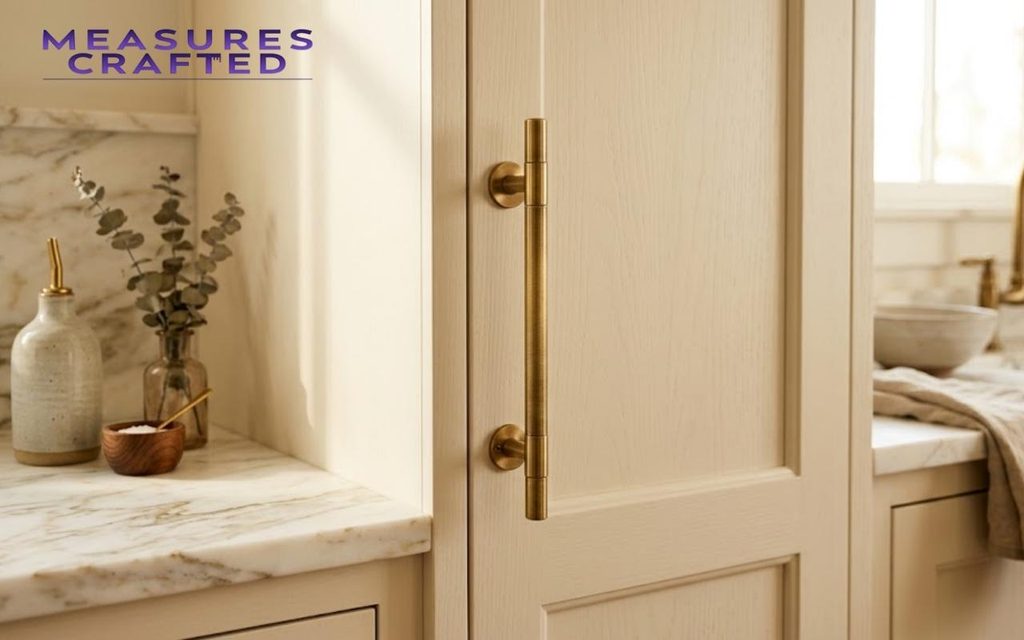
Shoppers trip over this one constantly. Pulls list their hole spacing, which measures the distance between the two mounting screws from center to center. Three inches ranks among the most common spacings alongside 3¾ and 5 inches. The pull itself stretches longer than that number so measure the holes in your door before you order.
See also, How Small Is 2mm? 17 Real-World Examples to Compare
A Classic Adhesive Bandage
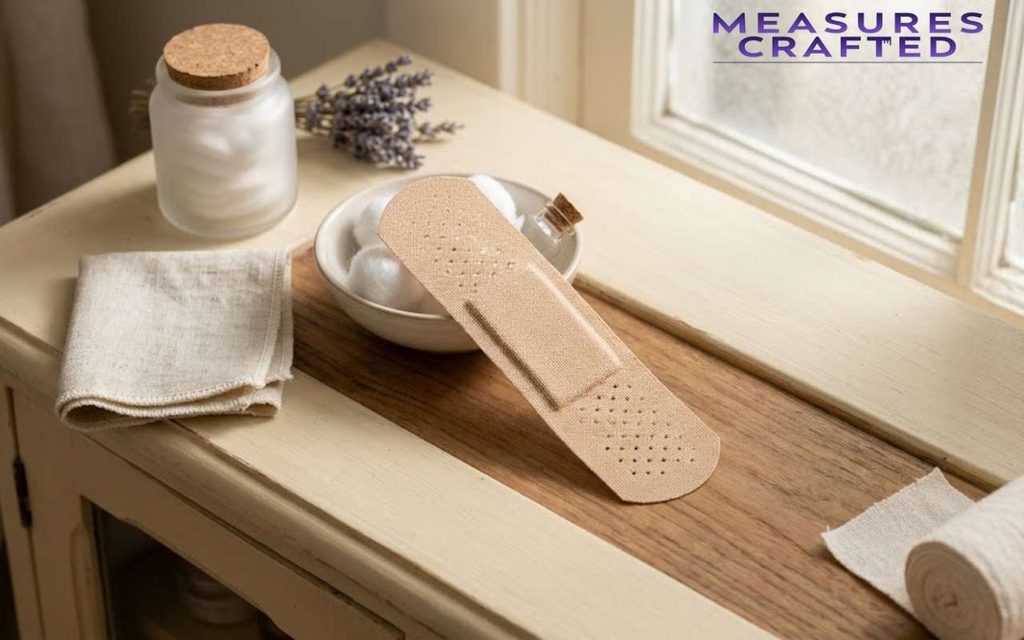
The original fabric strip measures 3 inches by ¾ inch. Earle Dickson dreamed it up in 1920 at Johnson & Johnson so his wife could dress her own kitchen cuts. Peel one open and you’ll hold a ready-made 3 inch size reference.
The Narrow Edge of a 3×5 Index Card
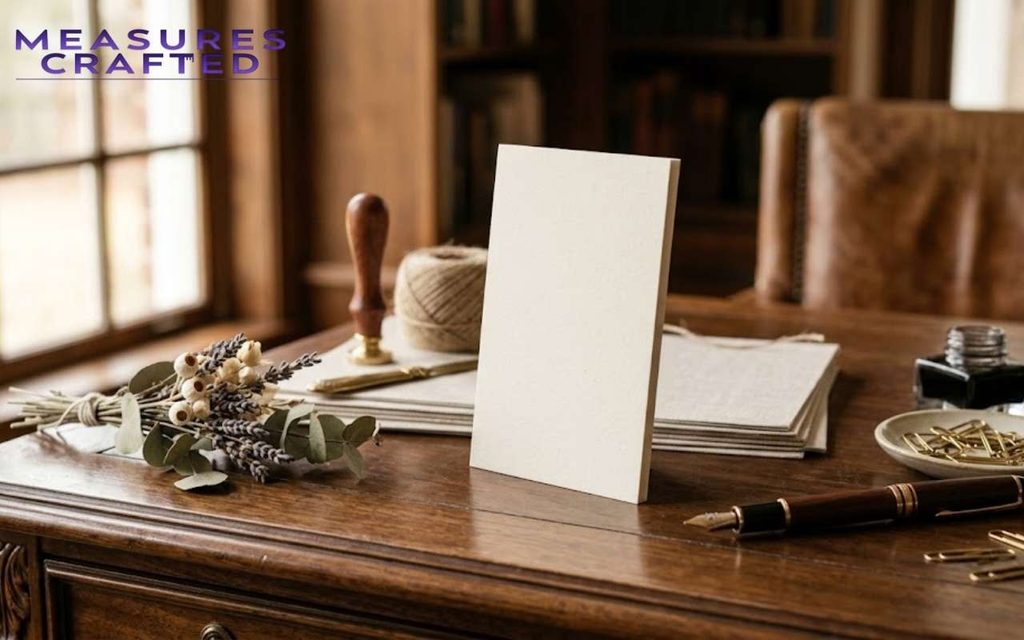
The name gives it away. The 3 is the narrow edge, which makes index card measurement a handy pocket gauge. Library card catalogs made the size famous. Larger cards come in 4×6 and 5×8 if you need a comparison.
A Regulation Ice Hockey Puck

The official hockey puck diameter is 3 inches. Rules from the NHL also set the thickness at 1 inch and the weight between 5.5 and 6 ounces. That 3 inch diameter creates a circumference of about 9.42 inches, which you can check with a loop of string.
Teams freeze pucks before games to keep them from bouncing. Sports equipment rarely gets more precise than this three-inch disc.
A Square Sticky Note
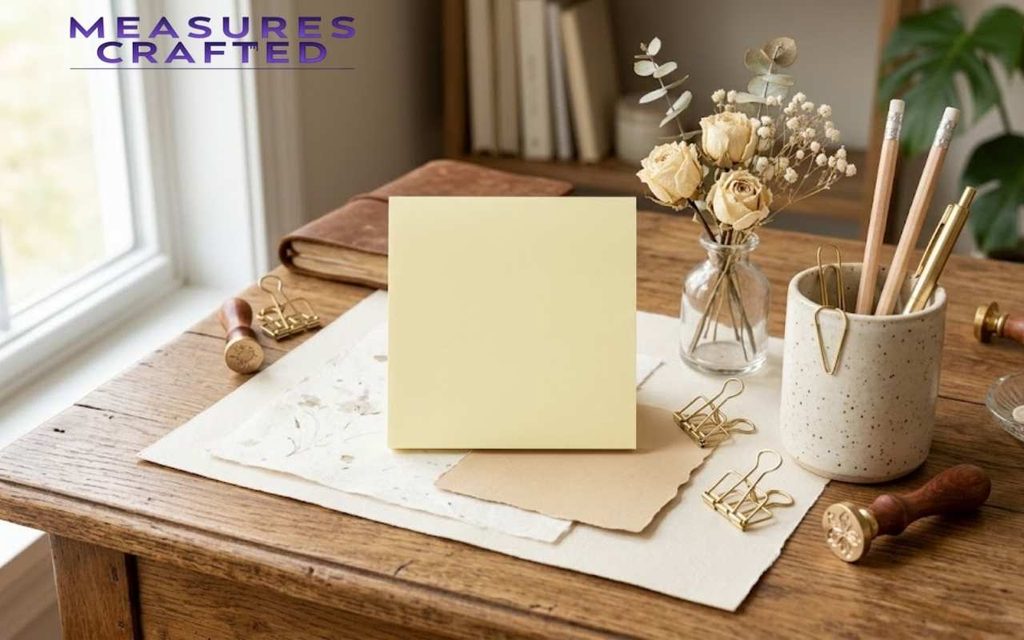
The classic square Post-it measures 3 by 3 inches. Every edge doubles as a quick 3-inch measurement, and the sheet works as a tiny set square. Post-it Notes reached shelves nationwide in 1980 after 3M ran test markets earlier in the decade.
Find the original specs at Post-it. Those 3 × 3 inch notes remain the standard among stationery measurements.
A Three-Inch Construction Screw
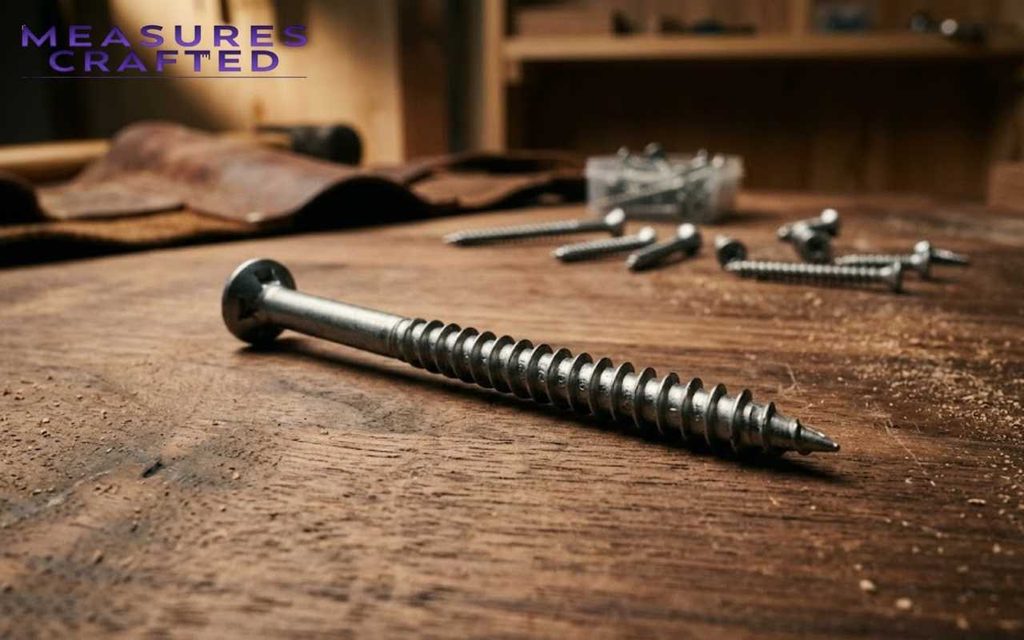
Screws carry their length on the box. Measure a flat-head screw from the tip to the top of the head. Measure a pan-head screw from the tip to the underside of the head. That single rule prevents a lot of botched hardware runs. Three-inch screws handle deck framing and heavy-duty joinery.
A Compact 3 Inches Butt Hinge
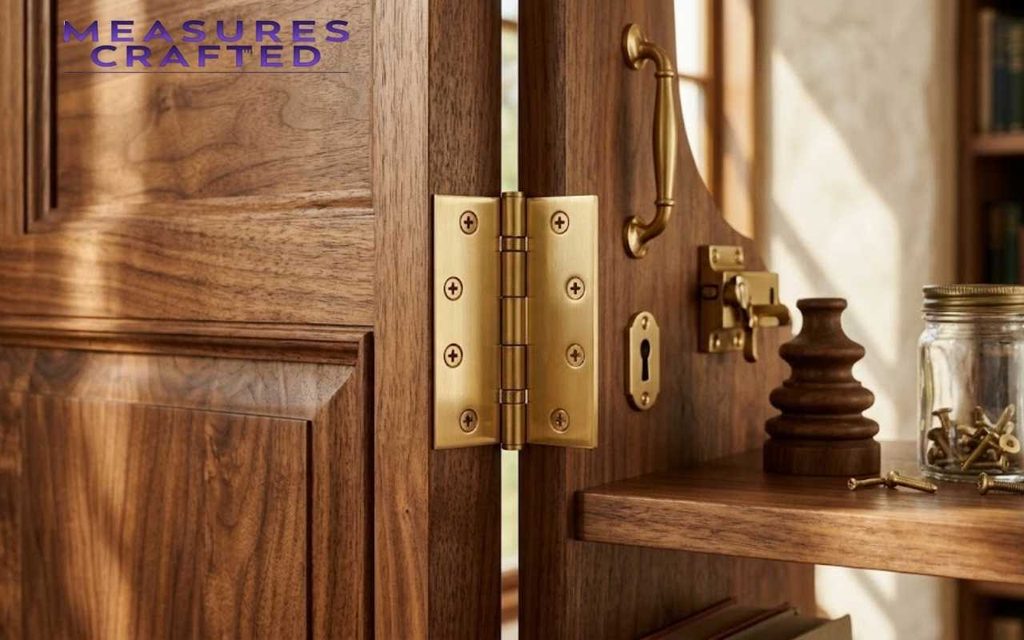
Hinge size describes the height of each leaf. Three-inch hinges hang cabinet doors and lightweight interior doors. Full-size interior doors usually take hinges of 3½ or 4 inches, so the smaller size signals a lighter job.
The hinge’s height gives you a simple straight-line reference for the measurement. Lay it flat and compare its edge with another object when you need a quick estimate.
A Dollar Bill Folded in Half

A US bill measures 6.14 inches long. Fold it in half and you get 3.07 inches. That folded dollar bill lands just seven hundredths of an inch over. The U.S. Currency Education Program lists the official dimensions. Bills have kept that size since 1929.
Want to learn more? 18 Everyday Things That Are About 9 Inches Long
A Full-Length House Key

Keys vary widely. Deadbolt and skeleton keys stretch toward three inches. Everyday house keys often run about 2 to 2.5 inches. Hold yours against a ruler and see where it lands. It’s one of the many items close to 3 inches that reward a quick check.
A Mini Ramekin

Small ramekins for crème brûlée and dips often span about 3 inches across the top. Sellers list them by capacity in ounces so measure the rim if you need the exact size. The base sometimes carries a stamped spec as well.
Their small round opening gives you a simple way to picture a three-inch span. A ramekin can be especially useful because its diameter is easy to compare with other circular objects.
A Nominal 3 Inches PVC Pipe

Plumbers call it 3-inch pipe. The outside of Schedule 40 pipe measures 3.5 inches. The inside runs about 3.07 inches. That inside number gives it a spot on this list.
This example shows why a product’s nominal size does not always match its actual measurement. If you need a precise fit, always check the inside and outside diameter rather than relying only on the name.
A Jumbo Binder Clip

Clip labels describe how much paper the clip can grip. They don’t describe the clip’s own length. Many large office clips measure close to 3 inches with the wire handles raised. Sizes shift by brand so check before you rely on one.
The clip’s metal body gives you a compact object that can help visualize the target length. Its familiar shape also makes it easy to compare with other office supplies.
A Short Golf Pencil

A fresh golf pencil measures about 3.5 inches. Sharpen it once or twice and you’ll reach 3. It’s a neat example of a short length that shrinks with use.
Unlike a full-size pencil, its compact body makes the difference between three and three and a half inches easier to notice. Keep a worn golf pencil nearby and you may have a surprisingly useful quick reference.
Three Postage Stamps in a Row
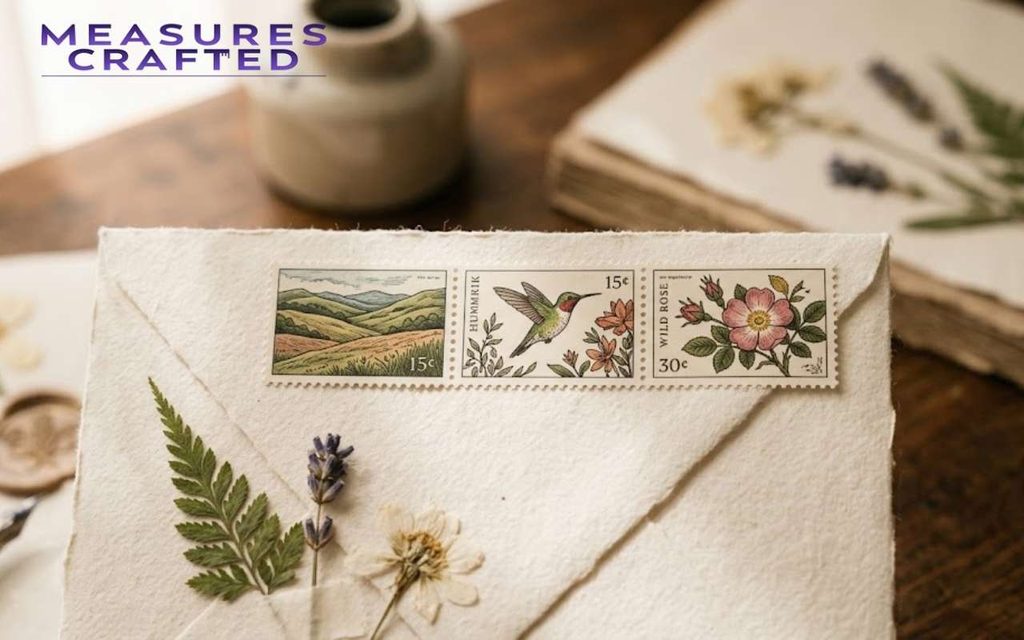
Many standard stamps measure about 1 inch on one side. Line up three edge to edge and you’ll land near 3 inches. Orientation matters because some stamps run wider than they are tall.
This makes a row of stamps a simple way to build a three-inch visual reference. Check the actual stamp dimensions if you need a more precise comparison.
Curious about this? How Big Is 1 Inch? 18 Everyday items That Show you How Big It Is
The Bowl of a Tablespoon
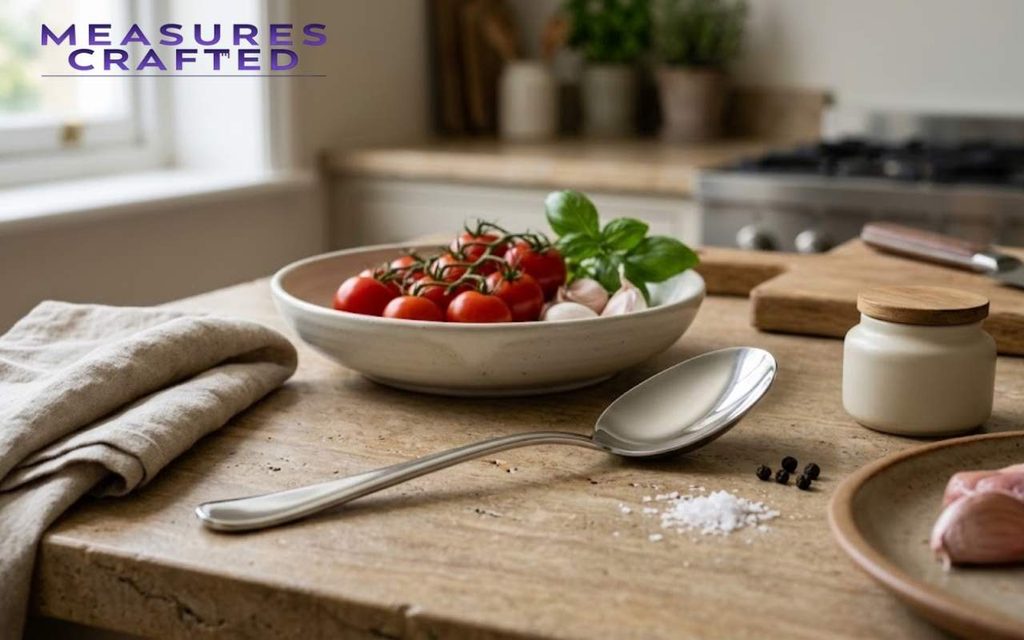
Pull one from the drawer and check. The bowl on many tablespoons runs roughly 2.5 to 3 inches from tip to neck.
Shapes vary from set to set so treat this as a rough guide. The spoon’s long shape gives you another familiar household object for estimating a short distance. It works best when you compare the bowl itself rather than the entire handle.
Three Quarters Laid Side by Side
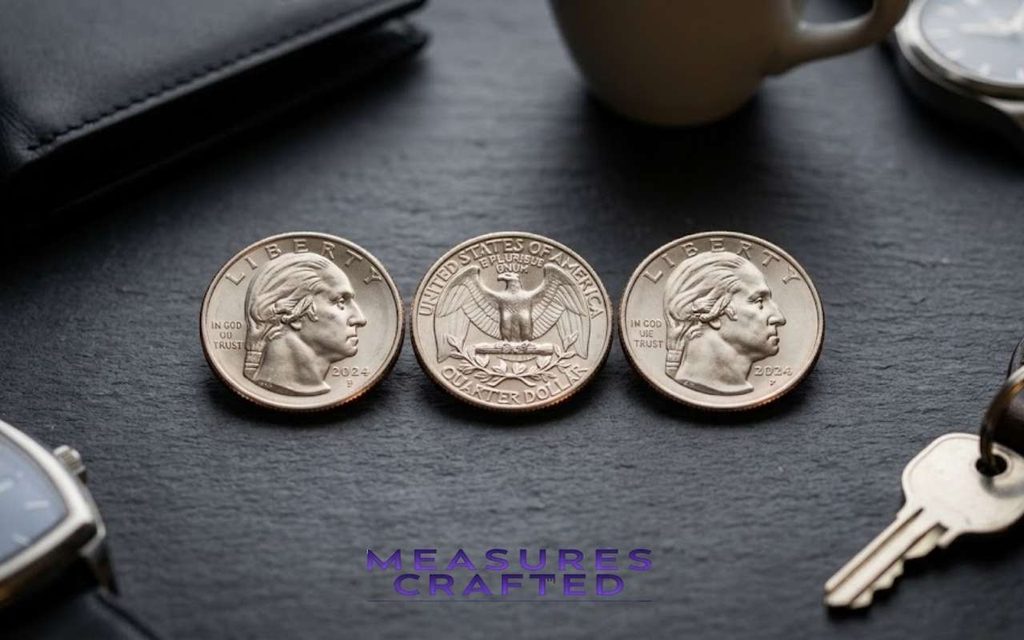
A US quarter measures 0.955 inches across. Three lined up total 2.865 inches, which leaves you an eighth of an inch short. The U.S. Mint lists the coin’s official specs.
Three quarters therefore give you a close visual approximation without reaching the full three inches. Their identical size also makes the comparison consistent when you repeat it.
A Regulation Baseball
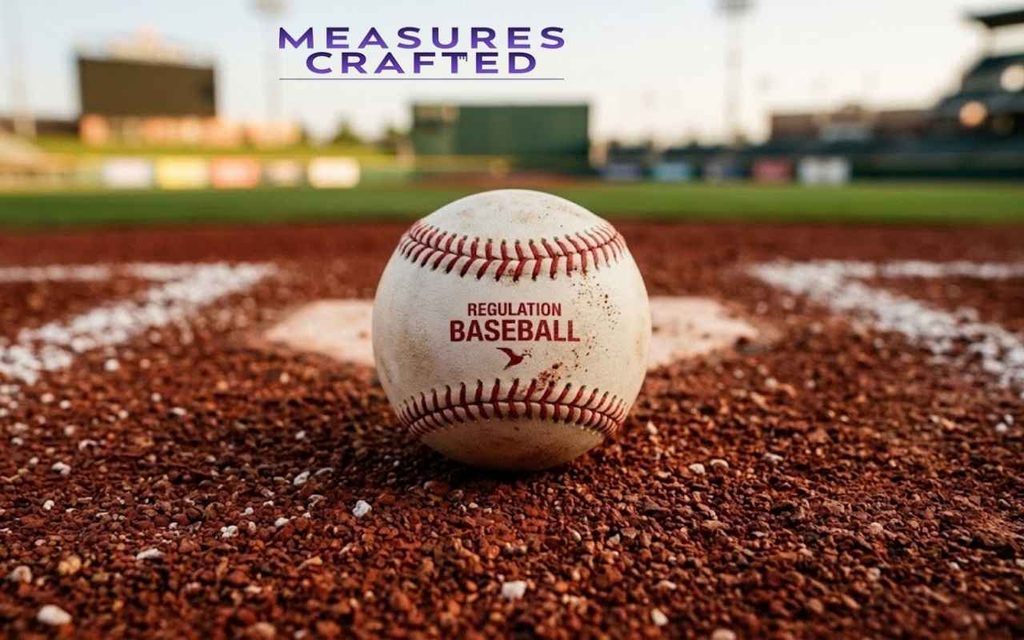
Rules from MLB require a circumference between 9 and 9¼ inches. That works out to a diameter of 2.86 to 2.94 inches. Among round objects, few match three inches this closely.
The ball weighs between 5 and 5¼ ounces. Its diameter falls only a small amount below three inches, making it a useful reference when you need to visualize the length. A baseball also gives you a familiar object that is easy to recognize without any measuring equipment.
A Small Paper Cup (Rim)
Cups in the 5 to 6 ounce range often measure close to 3 inches across the rim. Larger hot cups run wider. Grab the smallest one in your pantry and try it. The circular rim gives you an easy way to picture a three-inch diameter. Cup shapes vary, so use the rim as an approximate reference rather than an exact measurement.
A Compact Makeup Mirror
Round travel mirrors often span about 3 inches. The size fits pockets and purses, which explains why manufacturers favor it.
Measure the glass rather than the frame. A small mirror gives you a smooth circular reference that is easy to compare with other objects. If the frame is thicker than the glass, focusing on the glass helps you get closer to the actual three-inch span.
A 3 Inches Binder Ring
Sellers label these rings by diameter and 3 inches is a standard size. Flashcards and swatch cards hang on them easily. It’s one of the common three-inch items you can find in any office supply drawer.
The open circular shape makes the three-inch diameter easy to imagine when you hold it in your hand. Check the seller’s listed diameter before using a binder ring for an exact measurement.
Measuring 3 Inches When You Don’t Have a Ruler
No tape measure? No problem. Learning to measure 3 inches by hand or by eye takes only a few minutes. These quick measurement methods rely on household measuring tools already sitting nearby.
- Use your fingers. Press four fingers together and measure across the knuckles. On many adults that span comes close to three inches. This body-based measurement depends on hand size so check yours against a real ruler once.
- Fold a 12-inch reference. A ceramic floor tile or a strip of tape cut to a foot works well. Fold it in half and then in half again. Each quarter gives you three inches. This is ruler-free measurement at its most accurate.
- Calibrate a phone app. Ruler apps need a reference to stay honest. A standard bank card measures 3.37 inches wide, so hold it against the screen and adjust. The extra 0.37 inches also serves as a reminder of how much longer a card runs than your target.
Quick rule: Calibrate any body-based method once against a real ruler before you trust it.
Expect these methods to land within about a quarter inch. That’s plenty for hanging a picture or judging a package. The index card and folded dollar bill from the list above double as instant gauges. These quick measuring tricks prove that you can estimate three inches without any equipment.
Interested in learning more? Red Bull Can Dimensions: Size, Height & Diameter (IN, CM, & MM)
3 Inches Versus Similar-Sounding Measurements
Unit mix-ups cause more ordering mistakes than bad measuring. A few common measurement comparisons clear things up:
| Compared with | Difference |
|---|---|
| 3 millimeters | 0.118 in, about 25 times shorter |
| 3 centimeters | 1.181 in, about 2.5 times shorter |
| 3 feet | 36 in, 12 times longer |
That length comparison shows how quickly errors add up. A 3-centimeter part won’t fit a slot built for three inches. International sellers often print centimeters so double-check the unit label before you order. These measurement equivalents and inch size comparisons save returns and headaches.
Seen this way, inches compared to metric units reveal how much a single letter changes the meaning. Keep the table handy when you shop for everyday dimensions across borders.
Where 3 Inches Matters on the Job and Around the House
3 inches in real life shows up in more places than you’d expect. Here are some practical measurement examples across common hobbies and trades.
- Gardening: Nurseries sell herbs, succulents, and seedlings in 3-inch pots. Roots get a few weeks of room before you need to repot.
- Fishing: Anglers use 3-inch soft-plastic grubs and swimbaits for bass and other freshwater fish.
- Audio: Compact Bluetooth speakers and desktop monitors often pack 3-inch full-range drivers.
- Painting: A 3-inch brush covers wall sections and trim without a lot of drips.
These everyday applications cover common dimensions that people handle without thinking. Each one gives you household size references you can spot on a weekend errand. The real-world measurements stay consistent from store to store.
Quick Quiz: Test Your 3 inches Knowledge
Ready to see what stuck? Answer these five questions and check the key at the bottom.
1. How many centimeters equal 3 inches?
- A) 0.762
- B) 76.2
- C) 7.62
- D) 30.48
2. How thick is an official ice hockey puck?
- A) 1 inch
- B) 2 inches
- C) 0.5 inch
- D) 3 inches
3. A 16-foot car built at 1:64 scale measures about how long as a toy?
- A) 6 inches
- B) 2 inches
- C) 4 inches
- D) 3 inches
4. How long is a US dollar bill after you fold it in half?
- A) 3.37 inches
- B) 3.07 inches
- C) 6.14 inches
- D) 2.61 inches
5. What does hole spacing on a cabinet pull measure?
- A) The distance between the two mounting screws, center to center
- B) The overall length of the handle
- C) The depth the pull sticks out from the door
- D) The width of the cabinet door
Answer Key:
- C: 7.62 centimeters
- A: 1 inch
- D: 3 inches
- B: 3.07 inches
- A: The distance between the two mounting screws, center to center
Final Thoughts
Small numbers carry more weight than they get credit for. One missed measurement can turn a smooth project into a second trip to the store. It usually happens over a length you thought you understood. Once you’ve got a feel for 3 inches, those surprises fade.
That’s the real payoff here. You don’t need to memorize every figure you’ve read. Trust your eyes a little more and double-check the details that count. The next time a label, a recipe, or a set of instructions mentions three inches, you’ll know exactly what to expect.
Frequently Asked Questions about 3 inches
Curious about the story behind the measurement? These quick answers cover a few angles the guide didn’t touch.
Where did the inch come from?
The word traces back to the Latin uncia, meaning one-twelfth. Early English law tied the unit to barley. A 1324 statute credited to King Edward II defined the inch as three dry, round barleycorns laid end to end. By that old yardstick, 3 inches equals nine barleycorns.
Which countries still use inches in daily life?
The United States relies on inches more than any other nation. Britain mixes systems, so people quote height in feet and inches while shops sell in metric. Canada officially runs on metric yet builders and homeowners still talk in inches. Most of the world uses centimeters.
What does 3 inches of rain or snow mean?
One inch of rain over a single acre adds up to about 27,154 gallons, according to the USGS. So 3 inches drops roughly 81,462 gallons on that same acre. Snow behaves differently. At a common 10-to-1 ratio, 3 inches of snow melts down to about 0.3 inches of water. Wet, heavy snow packs more water and fluffy powder packs less.
Discover more about, How Long Is 100 Feet? 18 Things That Are 100 Feet Long

Hi, I’m Maya Winston, and I run the Measurements category here at Measures Crafted. I’ve always been fascinated by how numbers translate into real-world scale — there’s something satisfying about finally getting how big or how far something actually is. My goal is to make every measurement feel intuitive, not intimidating, so you walk away with a clearer picture every time you visit.