

Ever squinted at a spec sheet and wondered just how small 2mm actually is? You are not alone. It is one of those measurements that sounds tiny on paper but shows up everywhere once you start looking: in your junk drawer, your phone, even your garden.
This guide breaks down the 2 millimeter measurement in plain terms, with real objects you can hold in your hand to make it click. By the end, you will never have to guess again.
Quick Conversion: 2mm in Inches, CM, and Other Units
Let’s get the numbers out of the way first, since that is usually what you came here for.
| Unit | Value |
|---|---|
| Millimeters | 2mm |
| Centimeters | 0.2cm |
| Inches | 0.0787 inches |
| Mils | 78.74 mils |
| Points | 5.67 points |
| Pixels (96 DPI) | ~7.56 px |
So when someone asks “how big is 2 millimeter in inches,” the honest answer is: not even a tenth of an inch. It is roughly 1/13th the width of a standard credit card, if you are picturing it edge-on. Small, but not invisible — and definitely not negligible when you are working with precision tools or tiny parts.
How Small Is 2mm, Exactly?
Here is the thing about 2mm size: our brains are not great at judging tiny dimensions without a reference point. Two millimeters sits right at that awkward zone — too small to eyeball confidently, but too large to ignore under a microscope.
Think of it this way. The average human fingernail grows about 3mm a month. So 2 millimeter is a little less than a month’s worth of fingernail growth. Or picture the tip of a sharpened crayon; that is roughly the ballpark you are in.
See also, 20 Things That Are 18 Inches Long With Real-World Examples
How to Picture 2mm Without a Ruler
You would not always have a metric ruler handy, so here are a few tricks that work in a pinch:
- Fingernail trick: Look at the white tip of your fingernail. That is usually close to 1–2mm.
- Pencil tip test: A freshly sharpened pencil point, right at the very tip, sits close to 2mm wide.
- Paper stack method: Ten sheets of standard printer paper stacked together measure almost exactly 1mm, so double that stack and you have got your 2mm reference.
None of these replace an actual measuring tool, but they will get you close enough for a quick mental check.
17 Everyday Objects That Measure Almost 2mm
This is where 2mm in real life really comes into focus.
A 2mm Hex (Allen) Key
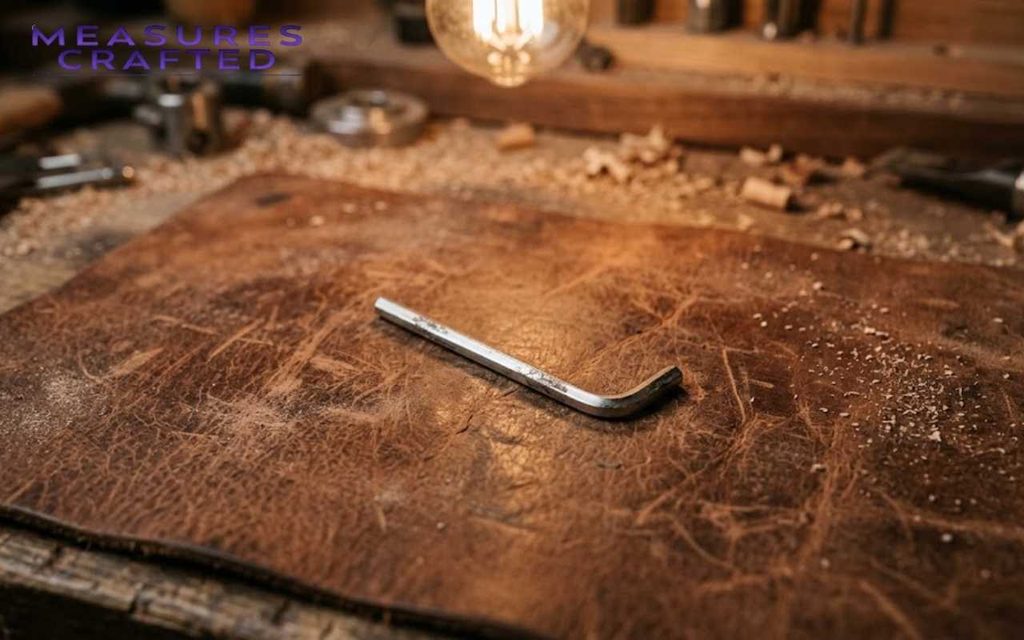
If you have ever assembled flat-pack furniture, you have likely used one of these. A 2mm hex key is one of the smallest sizes in a standard Allen wrench set, often used for eyeglass hinges, small electronics, and hobby RC cars.
Its short shaft makes it easy to lose in a toolbox, which is why most sets bundle it with a keyring or fold-out case. Despite its size, it handles surprisingly high torque without stripping, as long as you’re using it on the right screw.
Full-Size SD Card Thickness
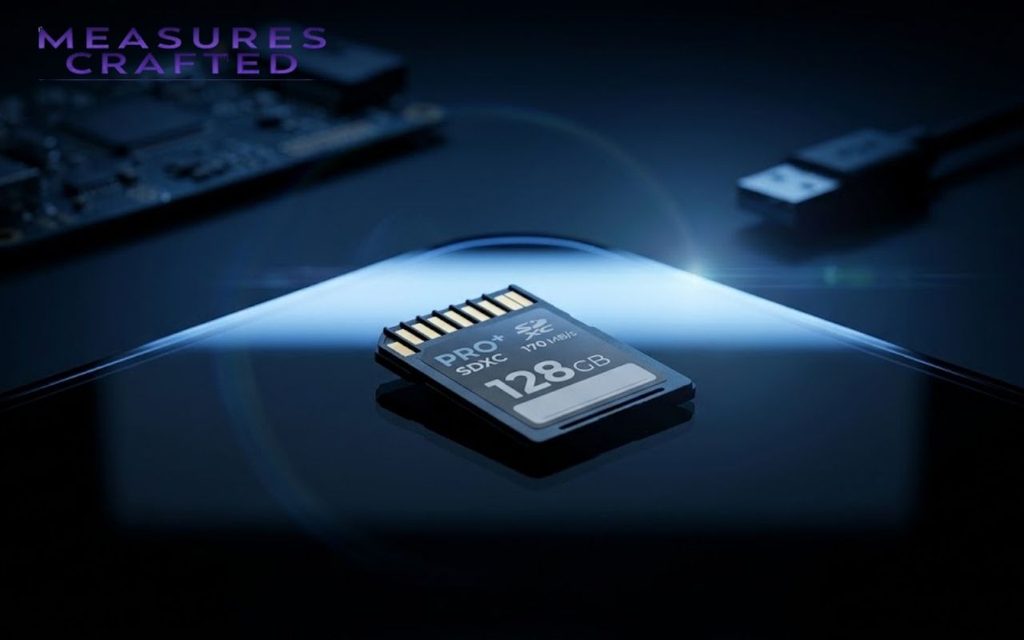
Here is a fact most people do not know: a standard full-size SD card measures 2.1mm thick, essentially matching our target measurement almost perfectly. That thickness is not accidental; it is built to fit snugly into camera slots and card readers without wobbling. Next time you slot one into a camera, you’re literally holding a 2mm object.
A Standard 2mm Drill Bit

Hobbyists and jewelers reach for a 2mm drill bit constantly. It is the go-to size for pilot holes in soft metals, plastic, and wood — small enough for delicate work, sturdy enough not to snap under light pressure.
Mechanical Pencil Lead Diameter

The classic reference. Mechanical pencil lead commonly comes in 0.5mm and 0.7mm for everyday writing, but drafting pencils — the kind engineers and architects use — often use 2mm lead, thick enough to sharpen to a fine point without snapping.
Want to learn more? 20 Everyday Things That Are 10 Inches Long
A US Nickel’s Exact Thickness
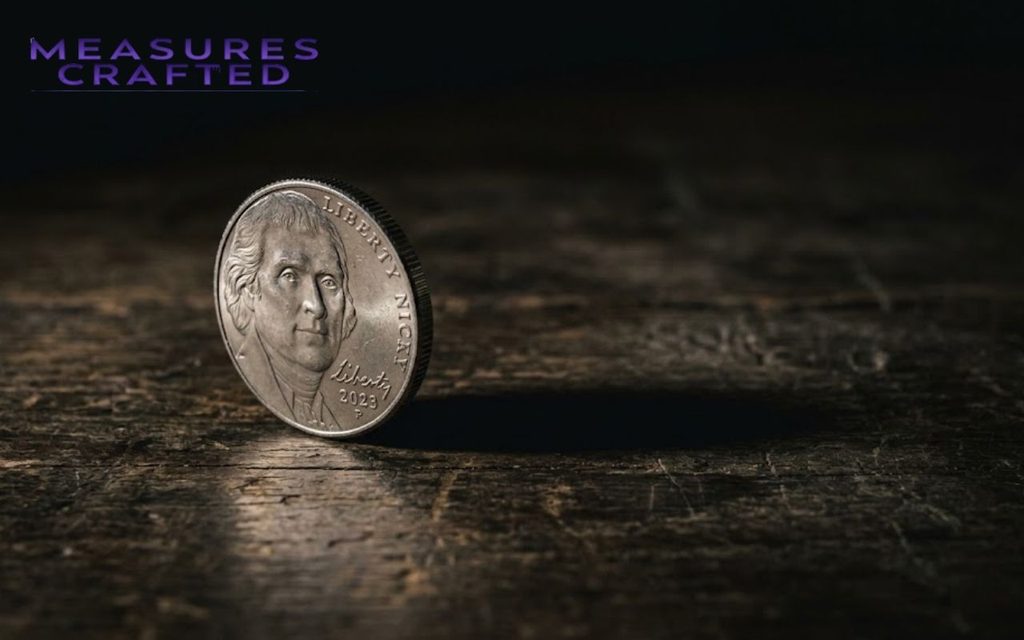
The U.S. nickel coin measures 1.95mm thick, making it one of the most reliable pocket-sized references for 2mm visually. Next time you need a quick comparison and do not have a ruler, a nickel in your wallet does the trick.
Mobile SIM Card Thickness
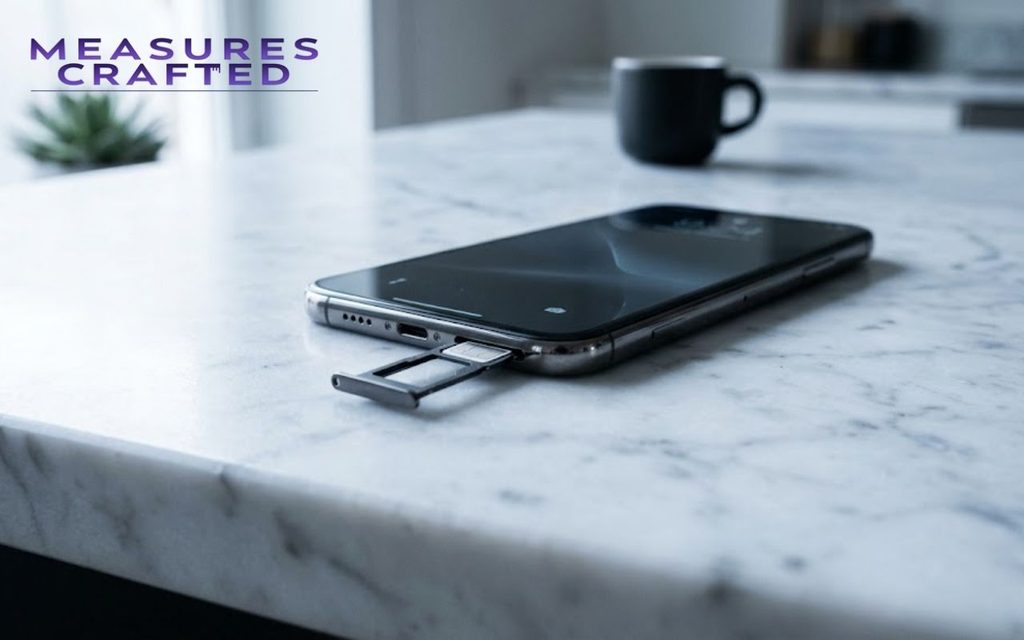
A standard SIM card, before it gets punched down to nano-size, measures right around 2mm thick at the connector edge. Phone manufacturers designed SIM trays to incredibly tight tolerances because of this.
Even a fraction of a millimeter off, and the card won’t seat properly. It is a small part carrying a surprisingly precise engineering standard.
Mustard Seed Diameter

In nature, the mustard seed offers a surprisingly consistent reference. Most mustard seeds measure between 1mm and 2mm across, making them a favorite teaching tool for explaining small measurements to kids.
They are small enough to demonstrate scale but large enough to see and count without a magnifying glass. Cooks also rely on this size consistency when measuring seeds by volume for pickling and spice blends.
Standard Ceramic Tile Spacer

Anyone who’s tiled a bathroom knows this one. A tile spacer — the little plastic cross you wedge between tiles — commonly comes in a 2 millimeter size for tight, modern grout lines. Larger spacers (3mm, 5mm) create wider, more traditional gaps.
A Small Black Garden Ant

Believe it or not, the average small black ant measures close to 2–3mm in body length. It is a genuinely useful living reference, assuming you can get one to hold still long enough.
Entomologists often use ant body length as an entry point for teaching insect measurement to students. Size can vary slightly by species and colony role, but the common backyard variety lands reliably in this range.
Curious about this? How Long Is 11 Inches? 25 common Things And Conversion Guide
One Grain of Long-Grain Rice

A single grain of long-grain rice measures roughly 2mm across its width, though it is longer along its length, closer to 6–7mm. This width-versus-length difference is exactly why rice makes a poor stand-in for measuring anything beyond thickness comparisons.
It is handy kitchen-counter comparison when you are cooking and thinking in millimeters for some reason. Basmati and jasmine varieties both hover in this same general width range.
Matchstick Shaft Width

The wooden shaft of a standard matchstick — not the tip, just the stick itself — measures approximately 2mm in diameter. It is engineered that way for a reason: thin enough to strike easily, thick enough not to snap.
Manufacturers test this thickness carefully, since too thin risks breakage and too thick slows ignition. It is one of the more overlooked everyday examples of precision-engineered small measurements.
Tiny Eyeglass or Watch Screws
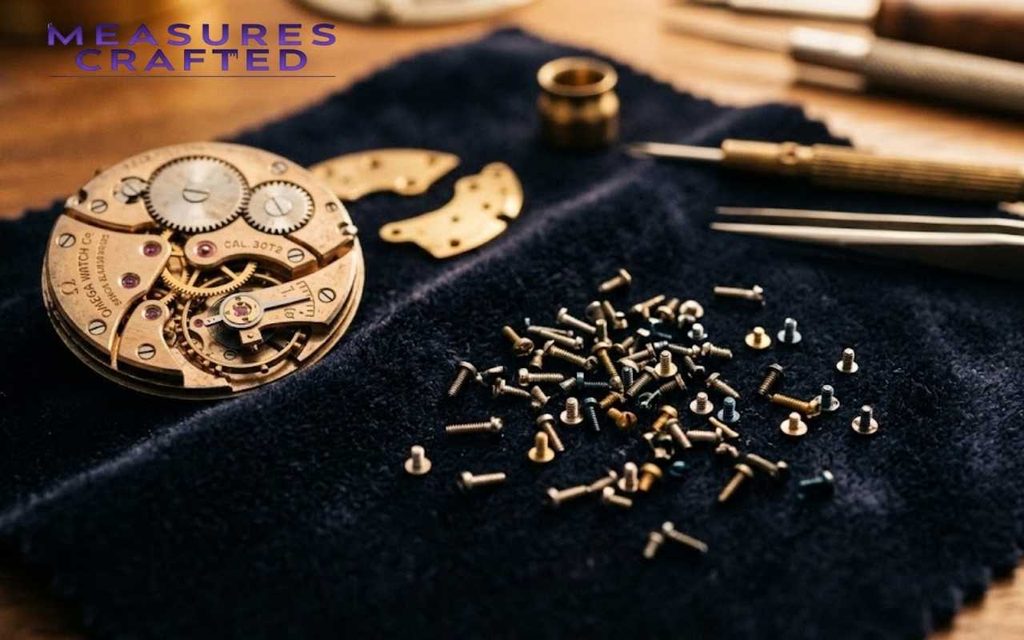
Ever lost one of these and spent twenty minutes on your hands and knees? Eyeglass hinge screws and watch case screws frequently measure 2mm in length, which explains why they are nearly impossible to find once dropped.
Repair kits usually include a small assortment of these screws precisely because they are so easy to misplace. Their tiny size also means they require a specialized micro-screwdriver, not a standard household one.
Two Dimes Stacked Together

A single US dime measures about 1.35mm thick on its own. Stack two of them together, and you land close to 2mm. It is not an exact match, but it is close enough for a fast visual estimate. Coins make surprisingly reliable measuring tools when you are stuck without a ruler.
A Thin Ring or Earring Post
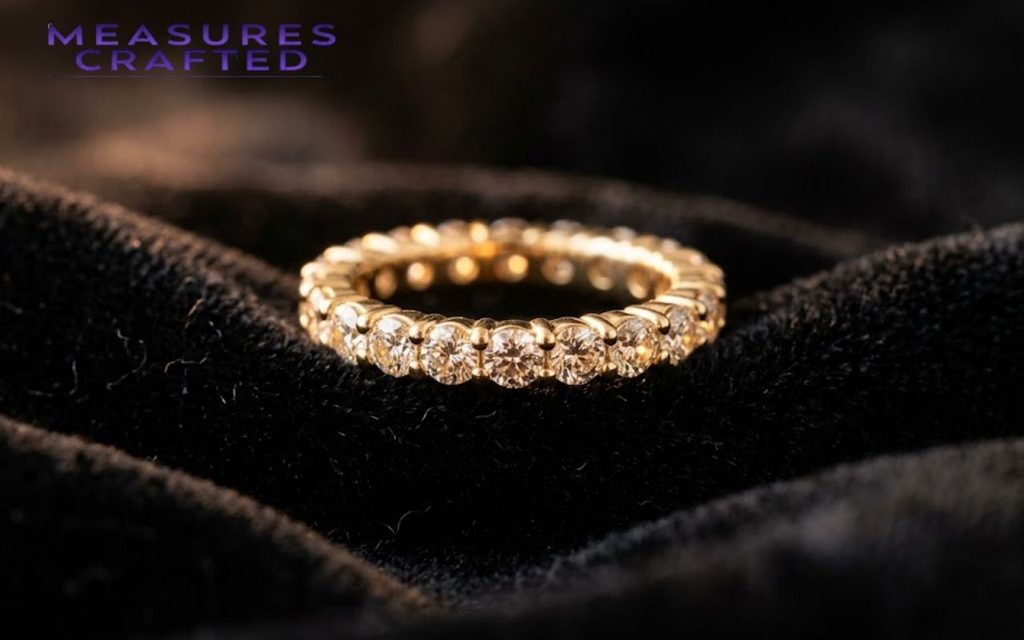
Standard earring posts and thin rings often measure around 2mm in diameter. Jewelers use this measurement as a common baseline when sizing hardware. It is thin enough to sit comfortably in a pierced ear, yet strong enough to hold its shape. Ring resizing shops rely on this figure constantly during fittings.
Roughly 20 Sheets of Copy Paper
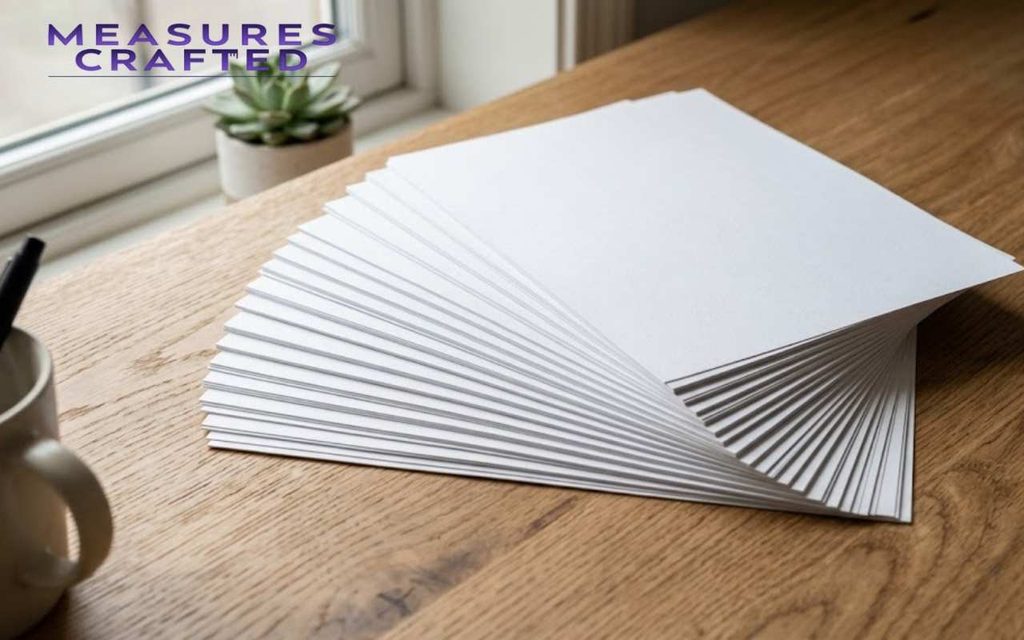
Standard printer paper runs about 0.1mm per sheet on average. Stack twenty sheets together, and you land right around 2mm thick. Next time you are holding a small stack of paper, you are essentially holding a rough measuring gauge. It is a surprisingly practical trick for classrooms and offices alike.
Interested in learning more? Dead Sea Dimensions: Full Picture Behind World’s Saltiest Lake
Average Smartphone Screen Glass Thickness

Modern smartphone display glass, including its protective layer, typically measures close to 2mm total. That figure balances durability against weight and screen responsiveness. Go much thicker, and the phone feels bulky and unresponsive to touch. Go much thinner, and cracked screens become far more common.
Two Credit Cards Stacked Flat
A single credit card measures about 0.76mm thick, so stacking roughly two and a half of them gets you to 2mm — useful shorthand if you are ever digging through your wallet for a quick reference.
Where 2mm Actually Matters (Real-World Applications)
It is not just trivia. 2 millimeter tolerances show up in fields where precision genuinely matters:
- Engineering & Manufacturing: CNC machining and injection molding often specify 2 millimeter wall thicknesses for structural parts, balancing strength against material cost.
- Jewelry & Watchmaking: Ring bands, watch gears, and clasp components frequently fall into the 1–3mm range.
- Home Improvement & Tiling: That tile spacer size directly affects the finished look of a floor or backsplash.
- Art & Design: Fine-tip pens and detail brushes often produce line widths close to 2mm.
- Biology & Nature: Insect anatomy, seed sizes, and small plant structures regularly land in this range, which is why mustard seed comparisons show up so often in science classrooms.
2mm vs. Other Small Measurements
Here is how 2mm stacks up against nearby sizes, useful if you are trying to figure out whether you actually need 2mm or something slightly different.
| Measurement | Comparable Object |
|---|---|
| 1mm | Single sheet of cardstock |
| 2mm | Nickel thickness, tile spacer |
| 3mm | Standard pencil lead (basic) |
| 5mm | Pencil eraser width |
| 1cm | Adult pinky fingernail width |
How to Measure 2mm Accurately
With a metric ruler or caliper: Line up the zero mark exactly at one edge of the object, then read where the other edge lands. Digital calipers offer far more precision than a standard ruler, especially for anything under 5mm.
Without any tools: Use the household references above — a nickel, a stack of paper, or a SIM card — as rough stand-ins.
The professional method: For anything requiring true precision (jewelry, machining, lab work), a digital micrometer is the gold standard, accurate down to fractions of a millimeter.
Simple Tricks to Remember What 2mm Feels Like
Keep a nickel in your pocket. Seriously — it is the single most reliable, always-available 2 millimeter comparison you will find, and you probably already carry one.
Discover more about, 21 Everyday Objects That Show You Exactly How Big 2 Inches Is
Mistakes People Make When Estimating 2mm
- Confusing millimeters with centimeters: 2mm and 2cm look similar in writing but differ by a factor of ten.
- Misreading ruler ticks: Cheap rulers sometimes have uneven or poorly printed millimeter marks, throwing off quick reads.
- Assuming “small” means “negligible”: In manufacturing, a 2mm error can mean a part does not fit at all.
Quick Quiz: Test Your 2mm Knowledge
Ready to test what you just learned? Give these a shot before scrolling for the answers.
- What is 2mm in inches?
a) 0.0787 inches
b) 0.3937 inches
c) 0.1968 inches
d) 1.0787 inches - Which of these is closest to 2mm thick?
a) A US quarter
b) A US nickel
c) A US penny
d) A US dime - A standard drafting pencil often uses lead of what diameter?
a) 0.5mm
b) 0.7mm
c) 2mm
d) 5mm - What is a common use for a 2mm ceramic tile spacer?
a) Sealing grout
b) Creating tight, modern grout lines
c) Cutting tiles
d) Leveling floors - Approximately how many sheets of standard printer paper stack up to 2mm?
a) 5 sheets
b) 10 sheets
c) 20 sheets
d) 50 sheets
Answers:
- a) 0.0787 inches
- b) A US nickel
- c) 2mm
- b) Creating tight, modern grout lines
- c) 20 sheets
Wrapping Up
Once you start noticing it, 2mm shows up constantly — in your wallet, your toolbox, even your garden bed. It is a small number with an outsized presence in engineering, design, and daily life. Next time someone asks how big 2mm really is, you would not need to guess. You will have a nickel, a pencil tip, or an ant crawling across your desk to prove it.
FAQs about 2mm
Got questions about 2mm? You are not the only one. Here are quick answers to the things people ask most.
How does 2mm compare to the thickness of a human hair?
Human hair is far thinner, usually measuring between 0.05mm and 0.1mm in diameter. That means 2mm is roughly 20 to 40 times thicker than a single strand of hair.
Does 2mm matter in 3D printing?
Definitely. Many consumer 3D printers use nozzle sizes around 0.4mm, but 2mm often comes into play as a common wall thickness or layer-height reference point for stronger, more durable printed parts.
Is 2mm a common medical needle gauge size?
Not quite in gauge terms, but 2mm shows up in medical contexts as an outer diameter reference for certain small-bore needles and catheters. Actual gauge numbers work on an inverse scale, so clinicians typically think in gauge, while manufacturers often list the millimeter equivalent for cross-reference.
Check out our guide on, How Long Is 500 Feet? 19 Real-World examples You Can Picture

Hi, I’m Maya Winston, and I run the Measurements category here at Measures Crafted. I’ve always been fascinated by how numbers translate into real-world scale — there’s something satisfying about finally getting how big or how far something actually is. My goal is to make every measurement feel intuitive, not intimidating, so you walk away with a clearer picture every time you visit.